


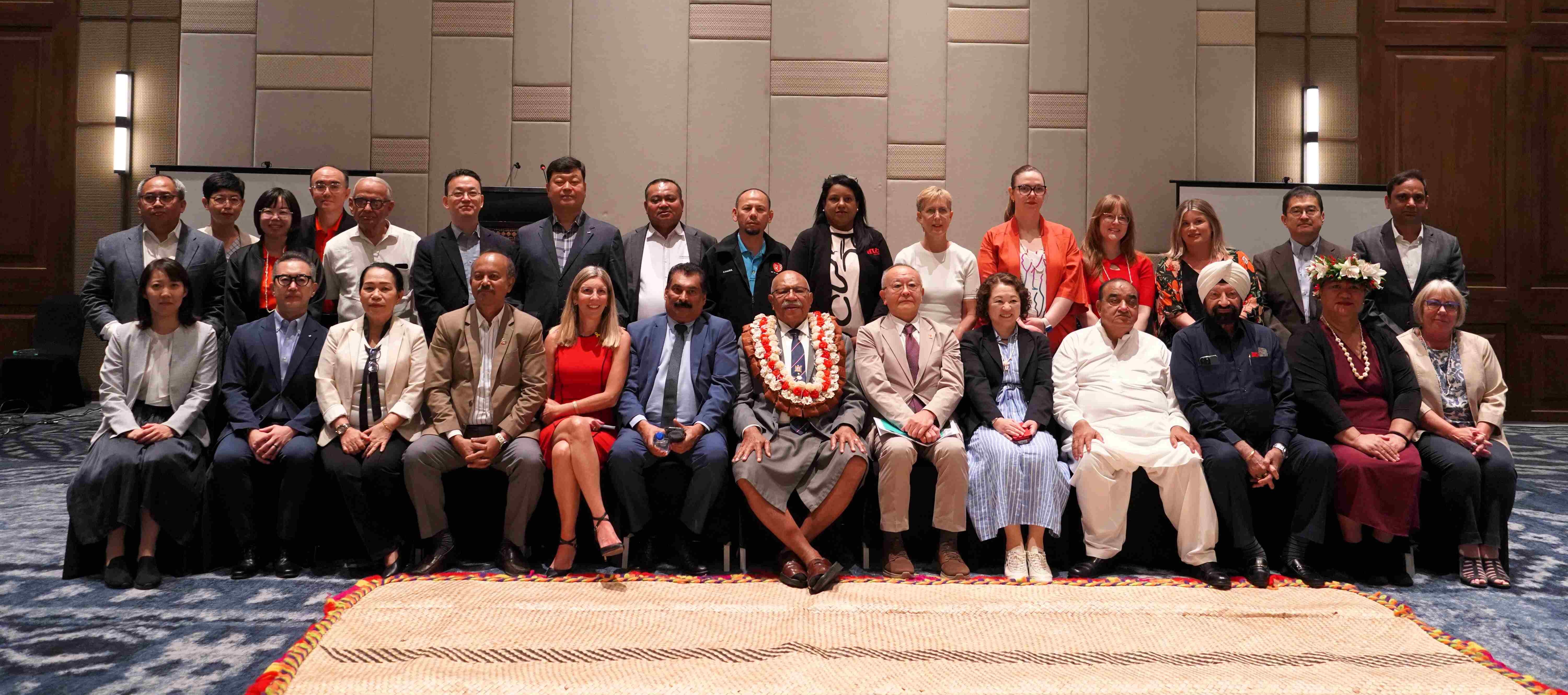
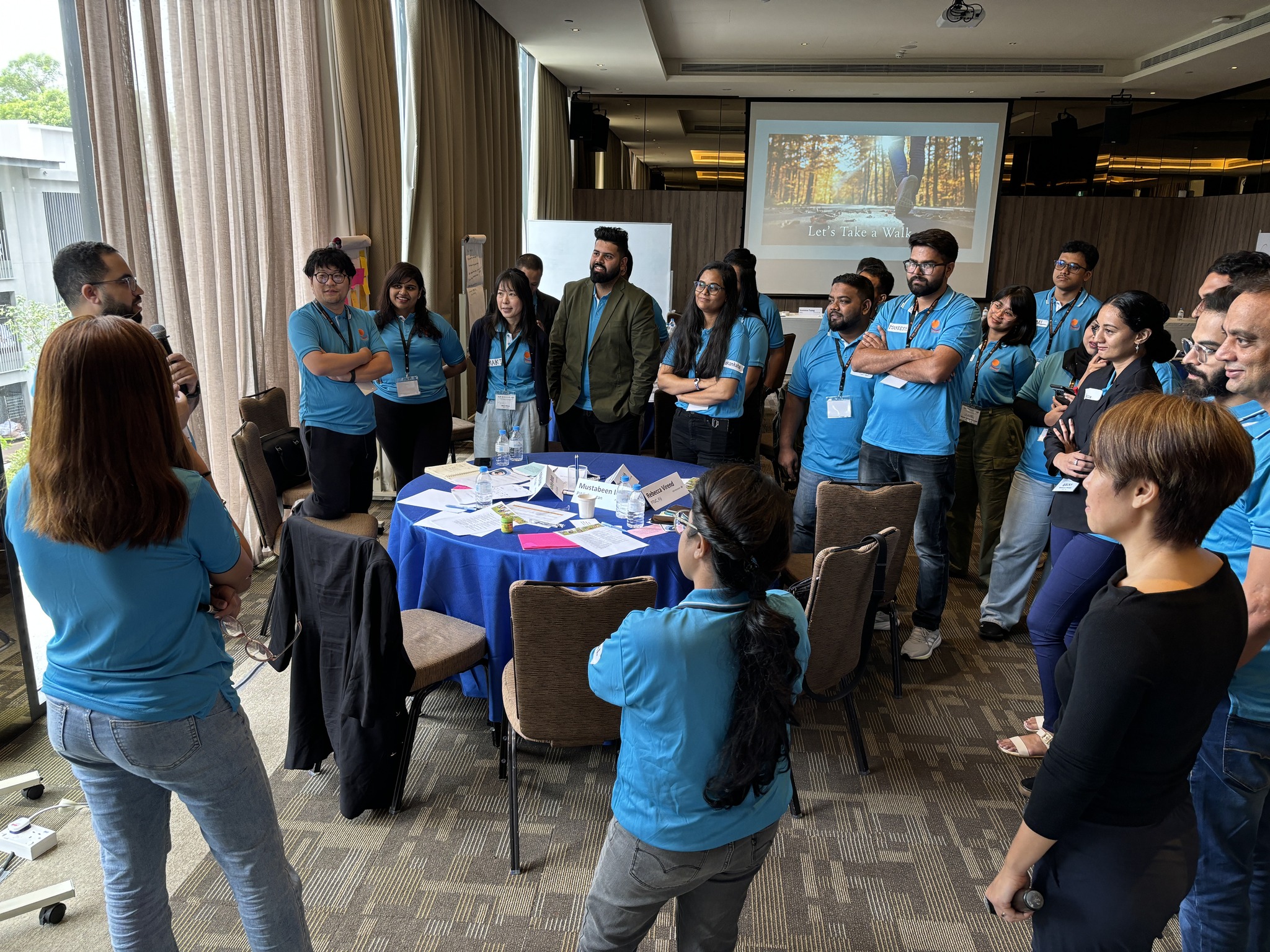
Trade unions from across Asia and the Middle East gathered in Jakarta in a show of cross-border solidarity to combat forced labour and strengthen protections for millions of migrant workers driving the region’s economies.
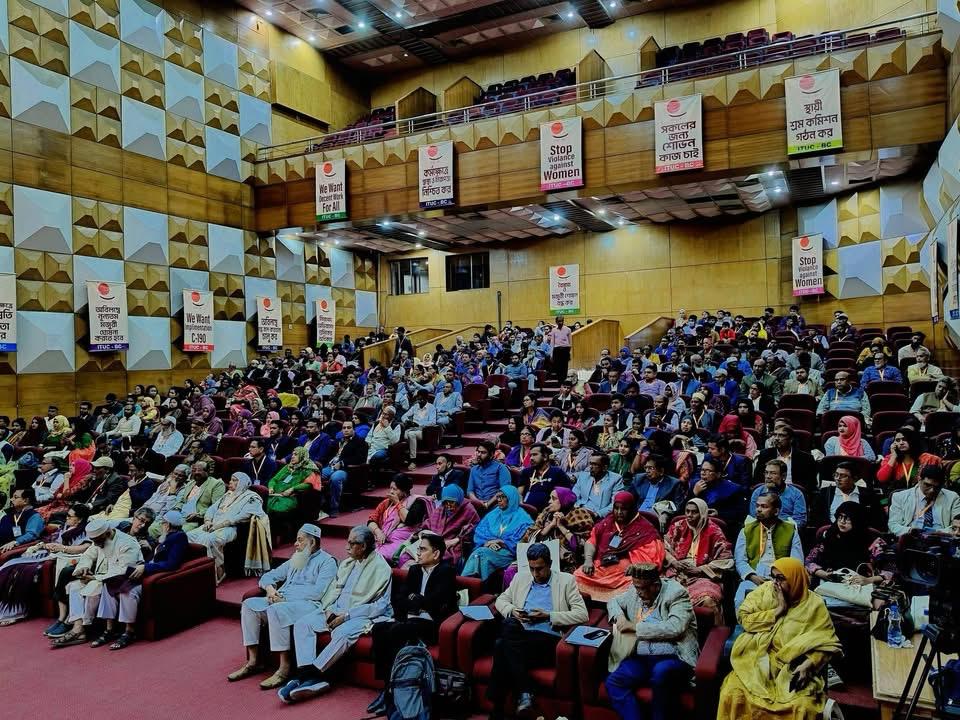
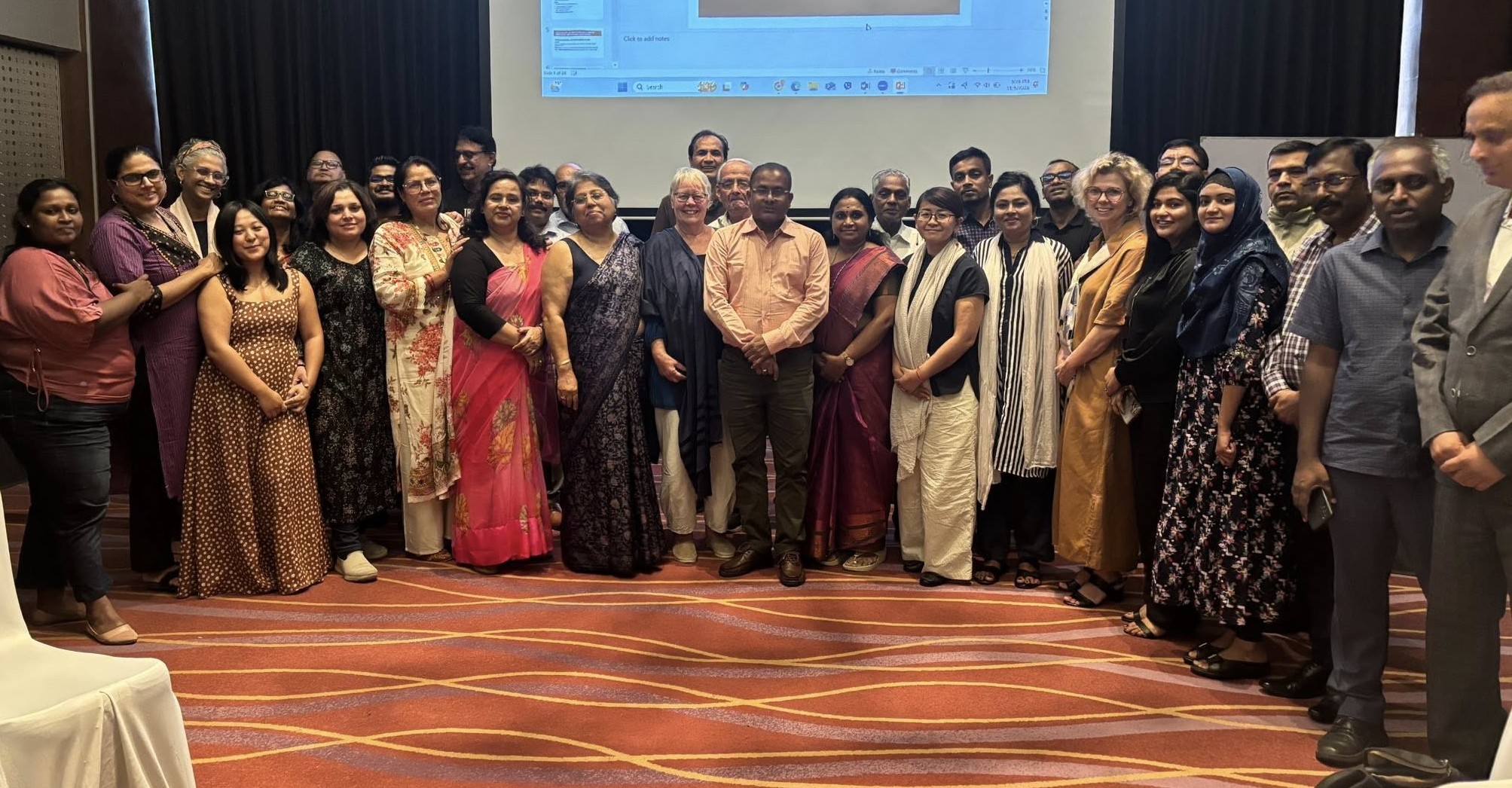
The two-day regional meeting, held on 22-23 July 2025 and organised by the ITUC-Asia Pacific in partnership with the ITUC, brought together trade union representatives from both countries of origin and destination, including Indonesia, India, Bangladesh, Pakistan, Nepal, the Philippines, Cambodia, Jordan, Kuwait, and South Korea.
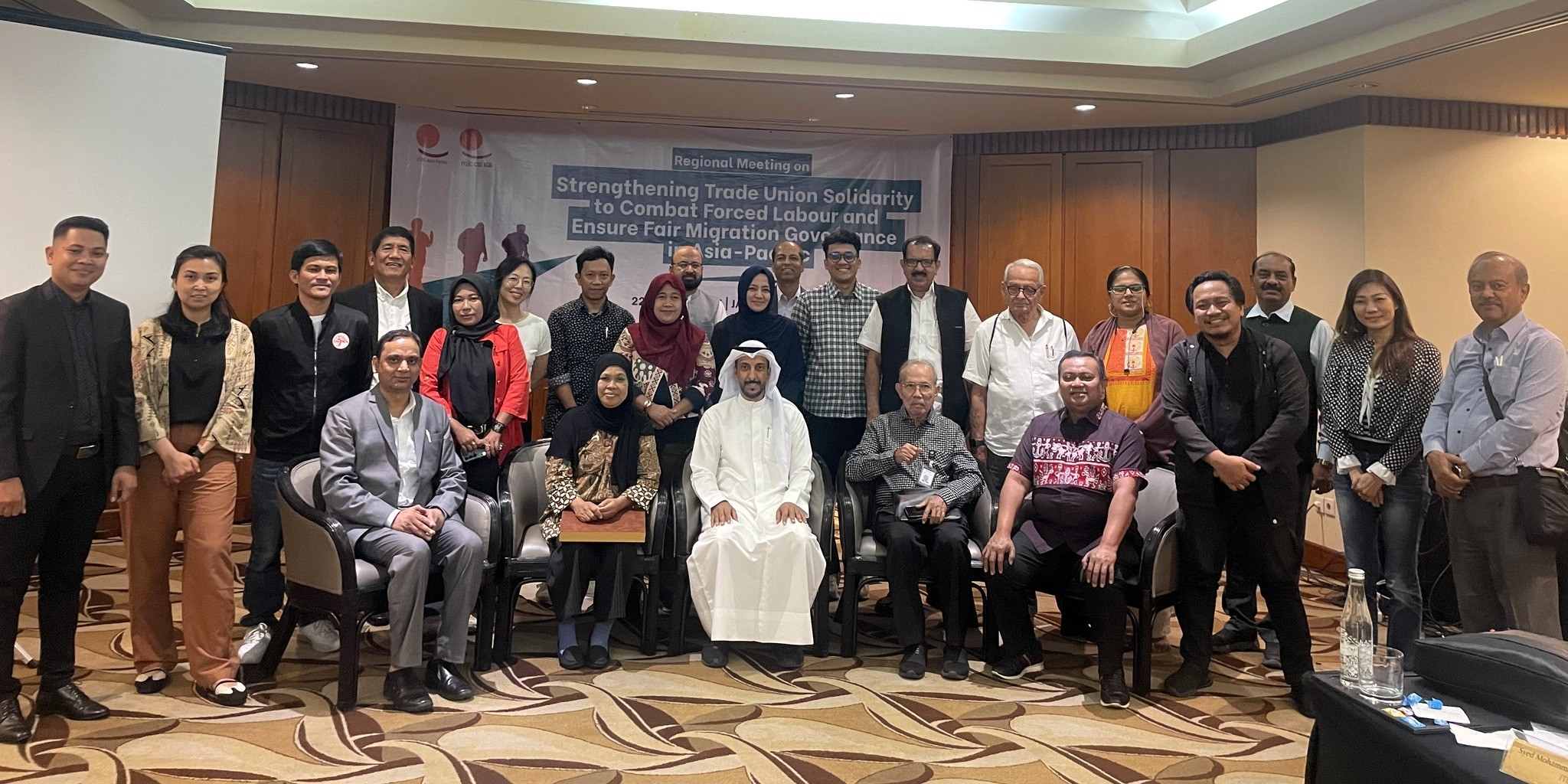
This year’s meeting builds on key milestones in the global union movement’s efforts to ensure fair migration governance, including the 2023 Trade Union Dialogue on Fair Recruitment in Bahrain, the agreement signed between International Labour Organization (ILO) Director General Gilbert F. Houngbo and regional trade union organisations (including ITUC-Asia Pacific, ITUC-Africa, Trade Union Confederation of the Americas, Arab Trade Union Confederation, South Asian Regional Trade Union Council, and ASEAN Trade Union Council), and the Arab-Asian union cooperation in Jordan in 2024.
These initiatives laid the groundwork for the regional advocacy seen in the Asia-Pacific Global Compact for Migration (GCM) Review 2025.
Opening the meeting, Shoya Yoshida, General Secretary of ITUC-Asia Pacific, emphasised the urgency of united action:
“Cross-border solidarity is not an option — it is a necessity. The fight against forced labour and the defence of migrant workers’ rights requires us to dismantle systems of exploitation, strengthen protections, and ensure that the voices of migrant workers are represented at every level of governance.”
Labour migration plays a critical role in Asia-Pacific economies. Over 30 million migrant workers from the region power essential sectors such as construction, domestic work, agriculture, and care services across the Gulf Cooperation Council (GCC) countries. Yet many face unsafe working conditions, wage theft, debt bondage from excessive recruitment fees, and discrimination under restrictive legal regimes like the Kafala sponsorship system.
Migrant workers also remain disproportionately affected by forced labour, facing risks at three times the rate of other workers. Women and girls, particularly those employed in domestic and care work, are especially vulnerable to abuse, including long working hours, unpaid wages, and physical or psychological mistreatment.
Participants discussed the value of cross-border Memoranda of Understanding (MoUs) between unions in origin and destination countries. These MoUs are seen as effective tools that provide channels for complaint resolution, legal assistance, and cross-border organising support, particularly for migrant workers in highly precarious sectors.
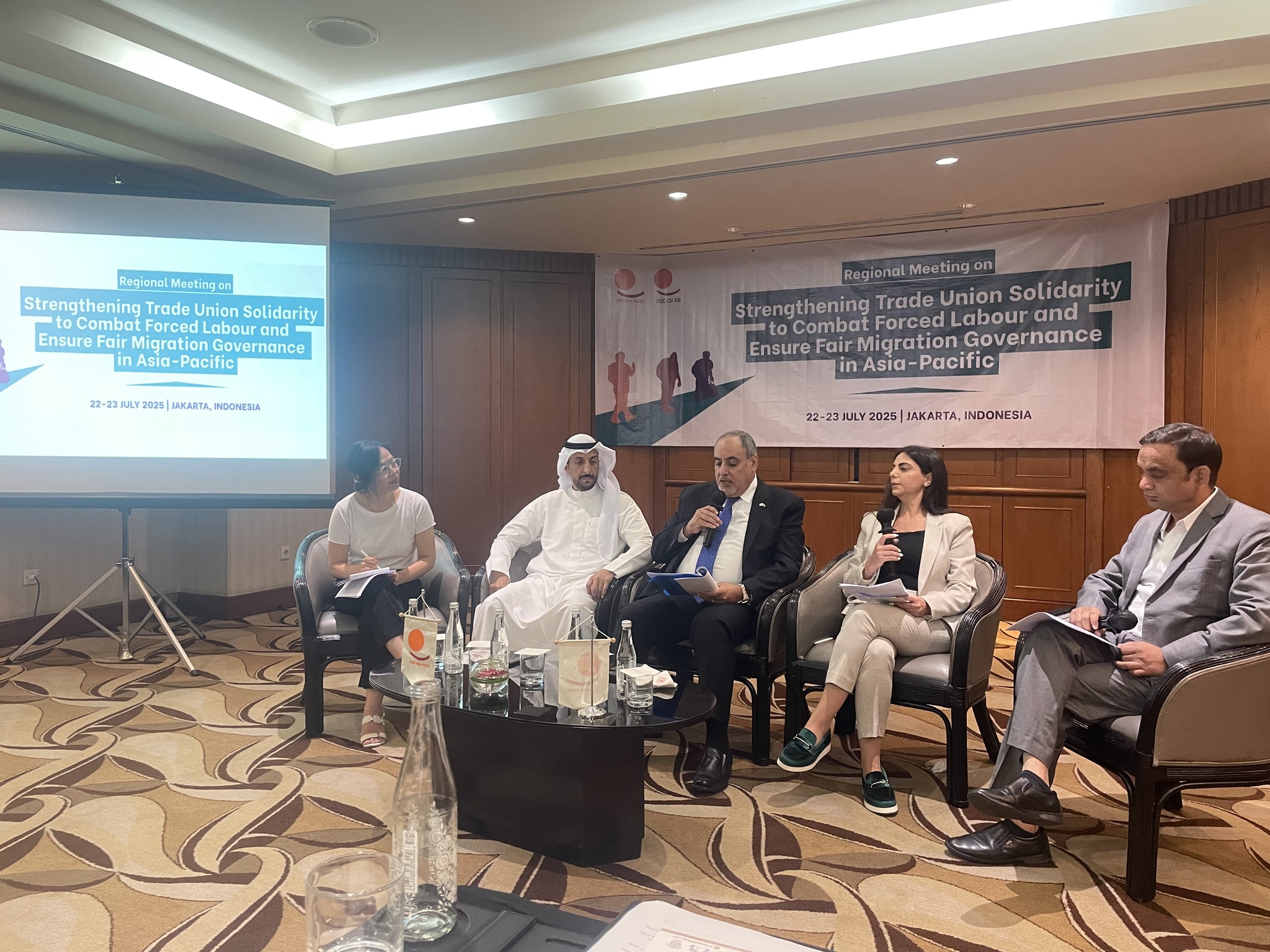
The meeting also featured contributions from ITUC and Global Union Federations, including Building and Wood Workers International, International Domestic Workers Federation, and Public Services International, who outlined strategies for strengthened international cooperation and rights-based migration governance.
Participants identified key priorities for trade union actions to combat exploitative migration practices, including dismantling the Kafala system, expanding cross-border MoUs, building organising models for undocumented workers, and scaling up migrant resource centres to provide legal assistance and direct support.
Concrete commitments were also made. These include the preparation of country-level reports assessing GCM implementation and union participation in policy-making, as well as the organisation of an inter-regional tripartite meeting in 2026, which will culminate in a Migrant Labour Conference. The participants also vowed to continue lobbying for the ratification and enforcement of core ILO conventions relevant to migrant workers, including Conventions 29, 97, 143, 189, and 190.
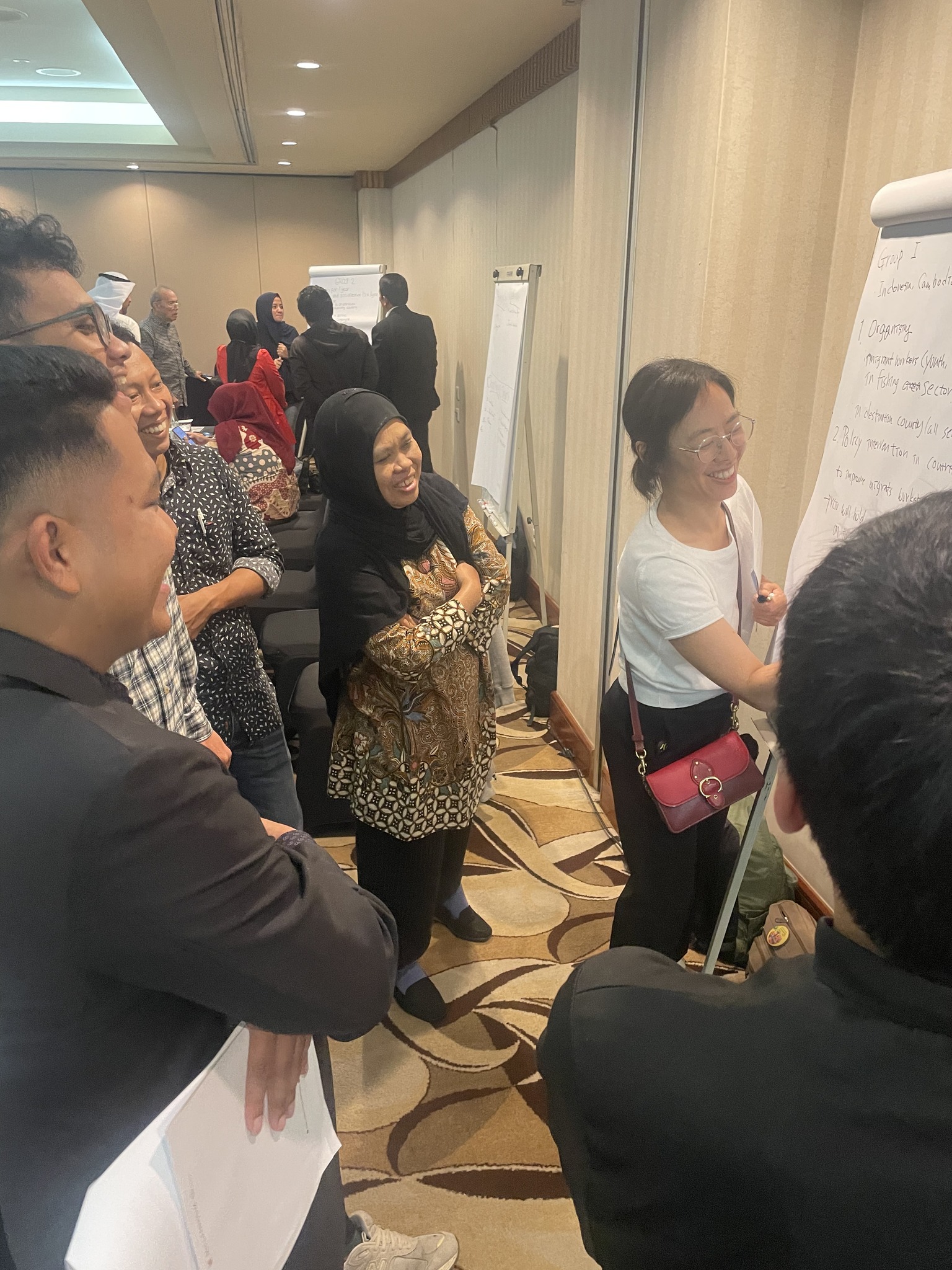
Meanwhile, the ITUC-Asia Pacific will coordinate annual platforms for affiliates to link organising, advocacy, and legal actions to protect migrant workers in both origin and destination countries.
The meeting concluded with a strong affirmation of regional solidarity. Trade union leaders who participated in the meeting committed to sustaining cooperation, amplifying migrant workers’ voices, and advancing a new social contract anchored in dignity, equality, and justice for all workers.

%20(1).jpg)
.jpg)






.jpg)

.png)



.png)


.png)


%20(1).png)


.jpg)


.png)


%201.svg)


