


The ITUC-Asia Pacific convened two national-level workshops in Bangladesh and Nepal in November 2025 as part of its effort to strengthen its regional campaign to eliminate child labour. Held amid persistent and alarming levels of child labour in both countries, the workshops brought together trade unions, governments, employers and international partners to translate regional commitments into concrete national roadmaps and action plans.
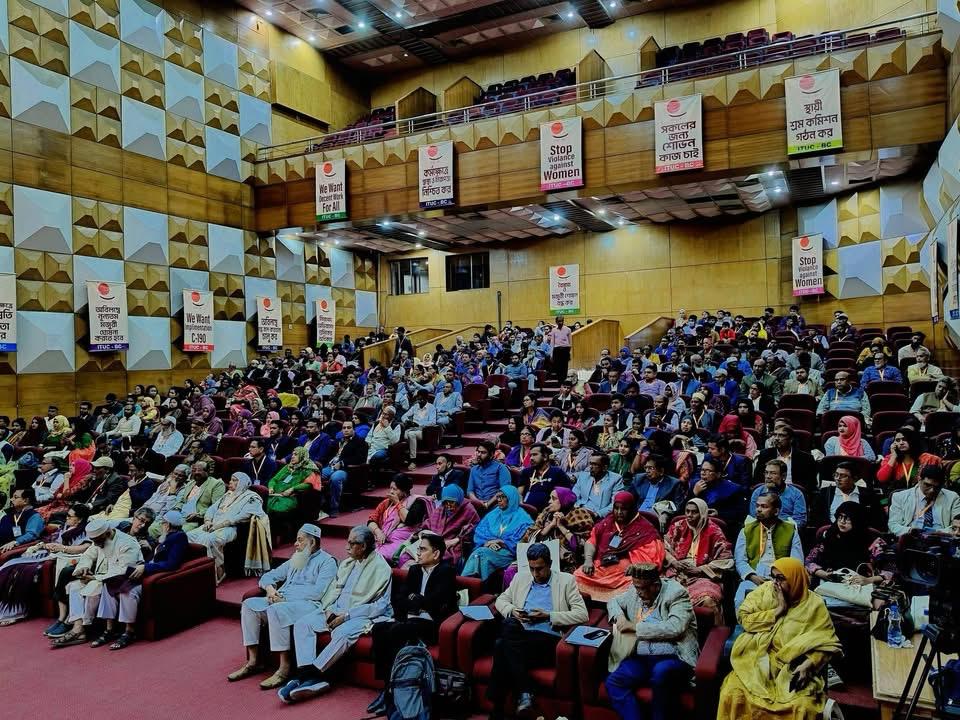
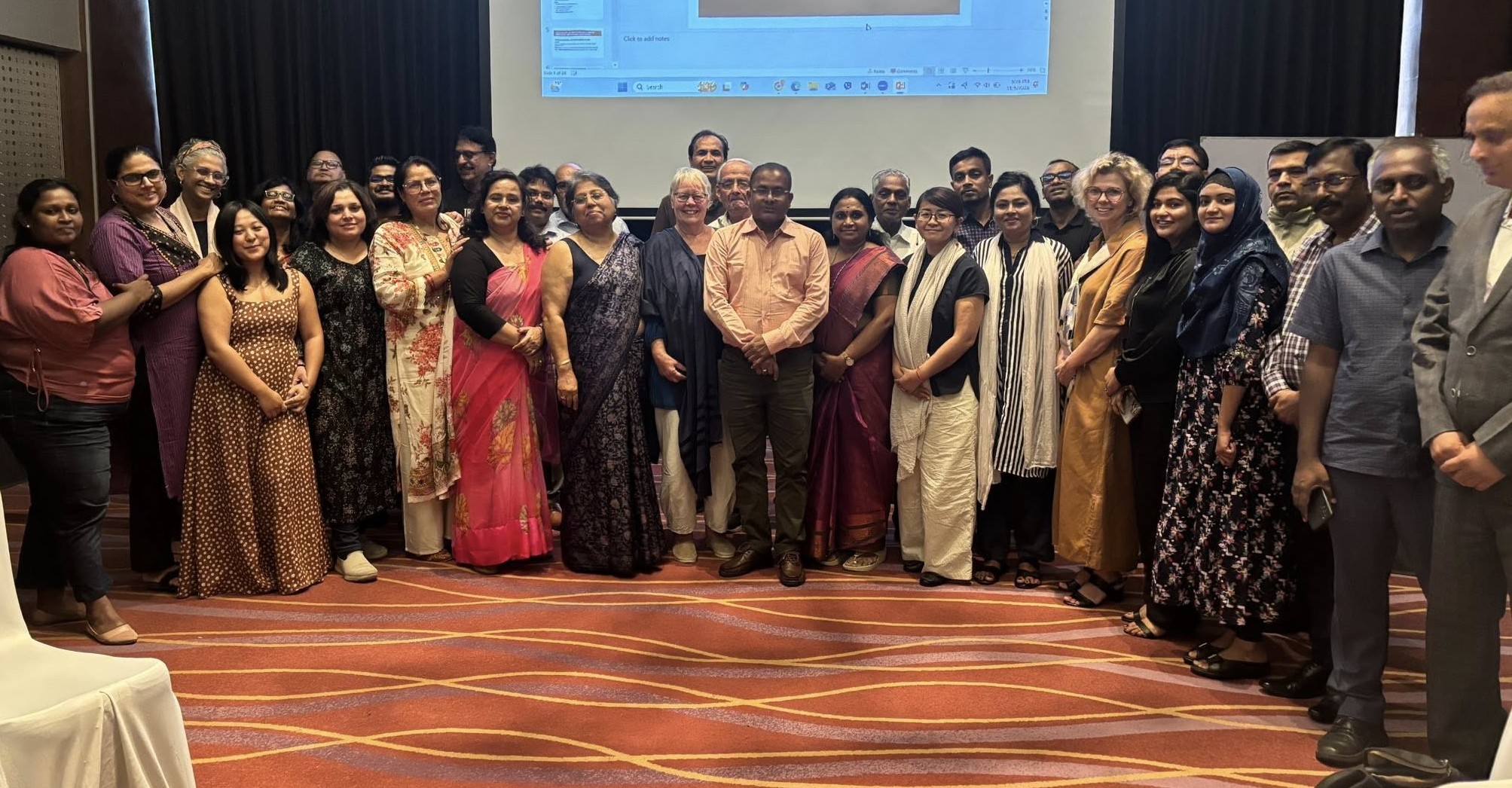
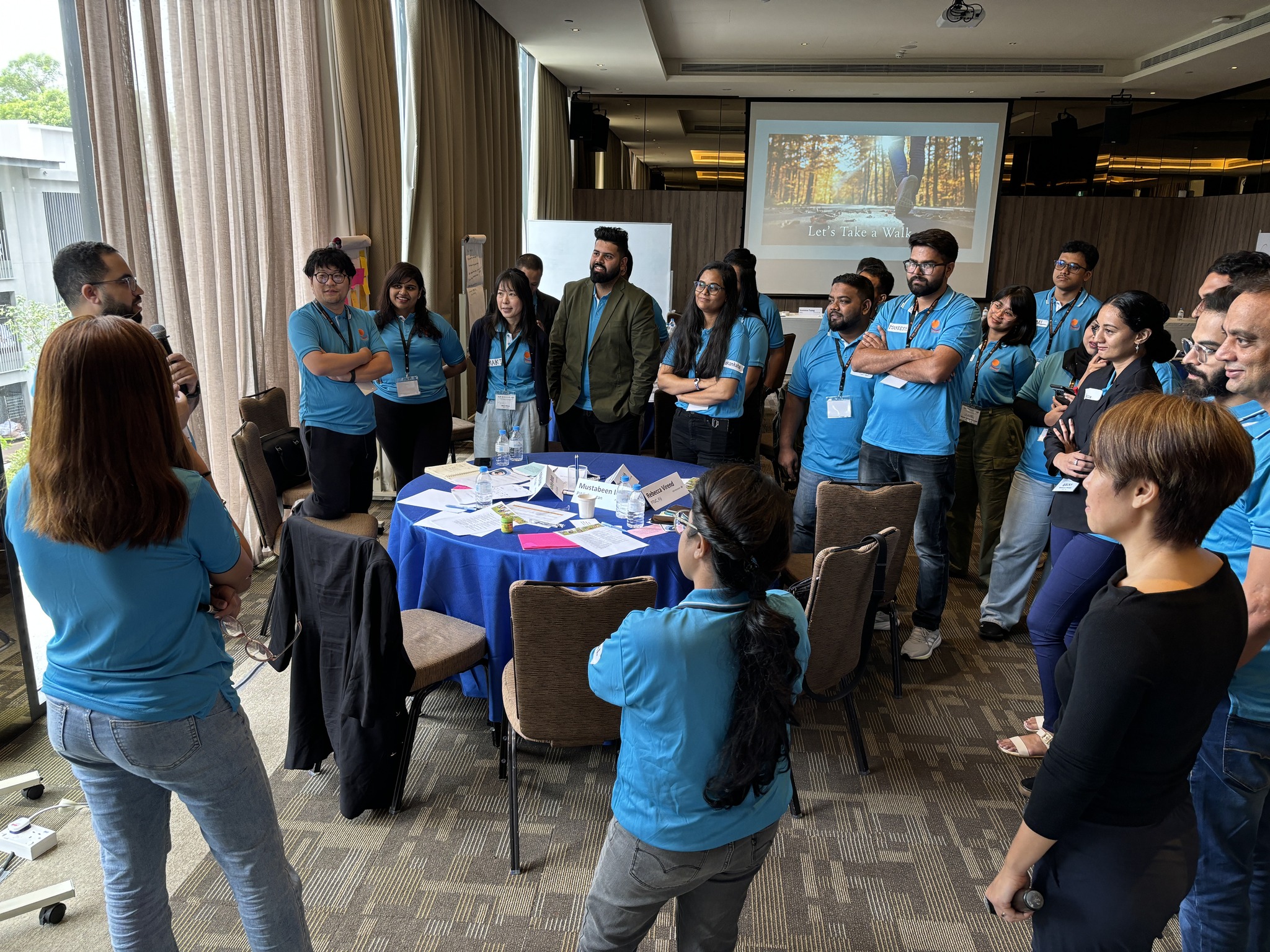
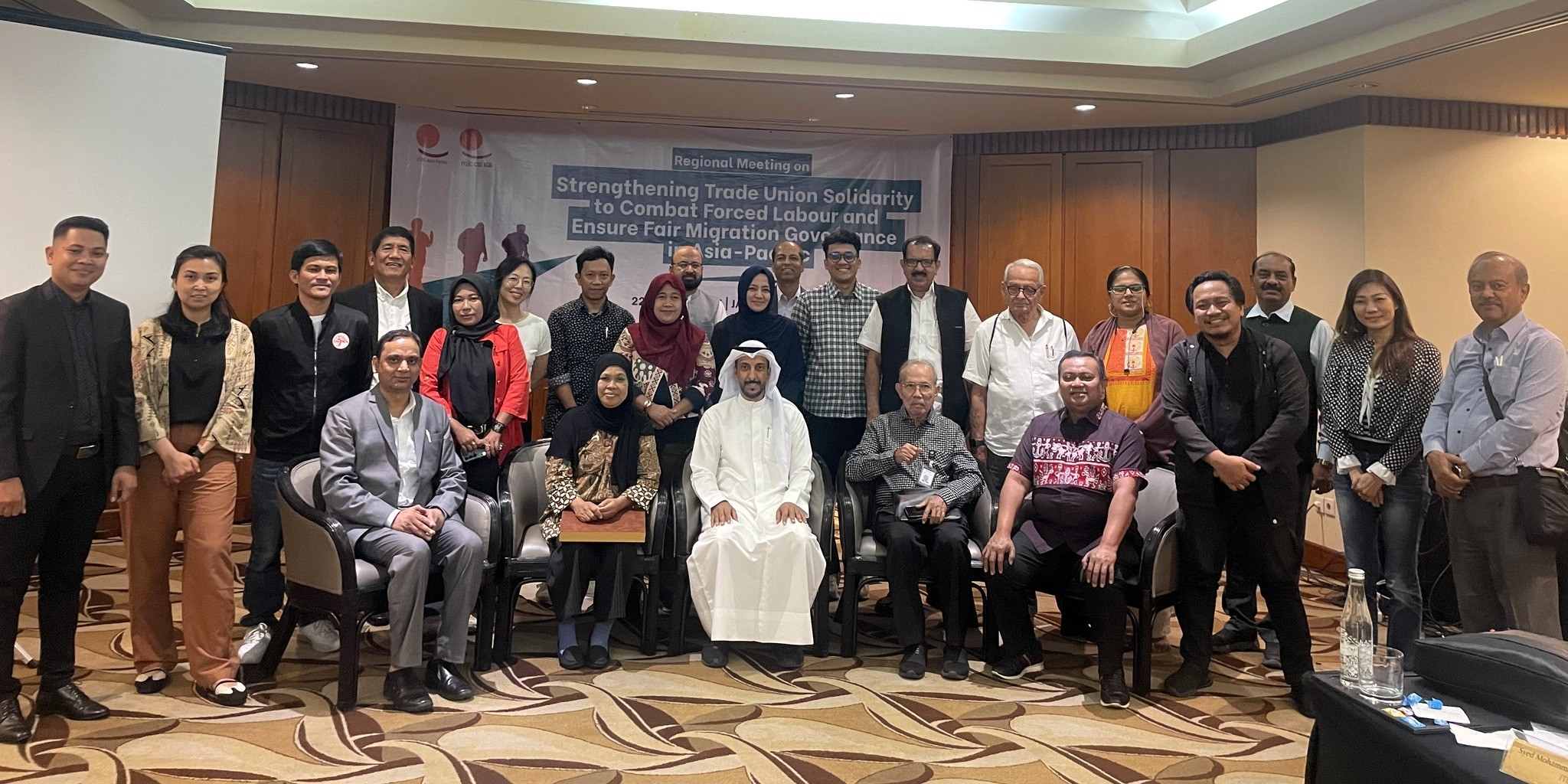
In Bangladesh, a national workshop organised with the ITUC-Bangladesh Council (ITUC-BC) took place in Dhaka on 12-13 November 2025. Participants included officials from the Ministry of Labour and Employment, the International Labour Organization (ILO), the Bangladesh Employers’ Federation, labour researchers, and representatives of six ITUC-BC affiliated federations.
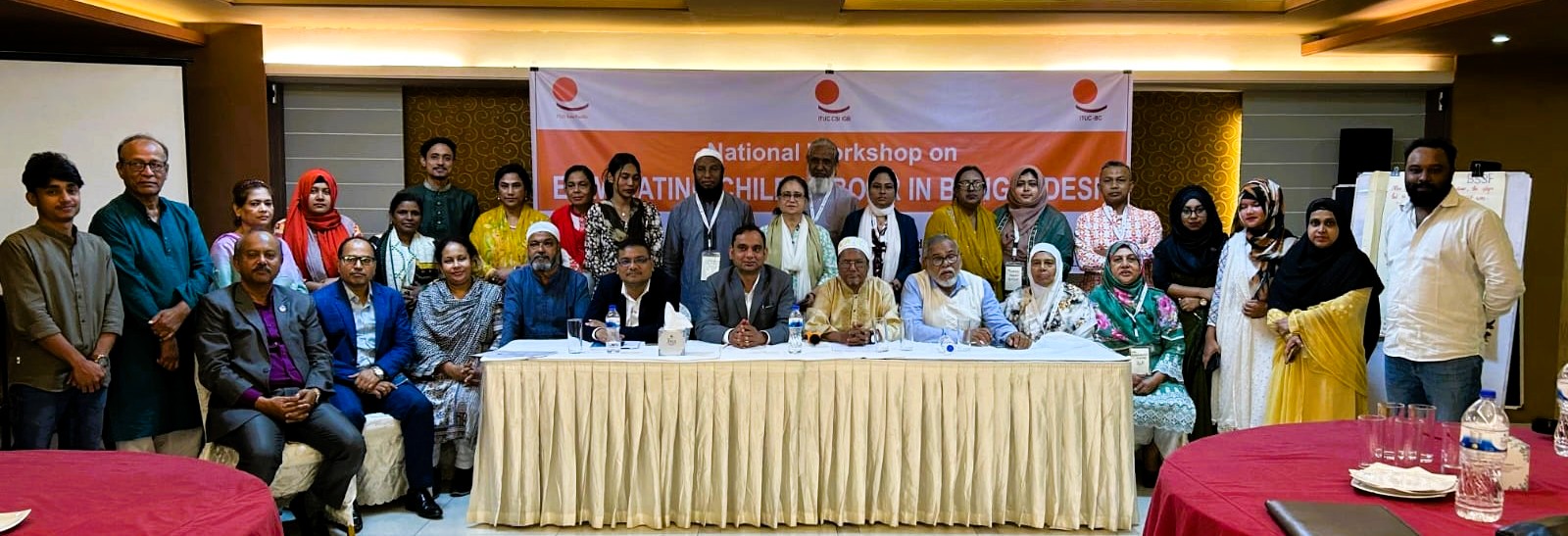
Participants noted that while hazardous child labour has declined, overall numbers have increased due to entrenched poverty, weak enforcement of labour laws and the growing informal economy.
Discussions focused on strengthening supply-chain accountability and employer responsibility, improving labour inspection and law enforcement, expanding social protection coverage and ensuring access to free, quality education. The ILO shared recent progress, including the declaration of Thakurgaon district as child-labour-free in 2024, highlighting the impact of coordinated local action.
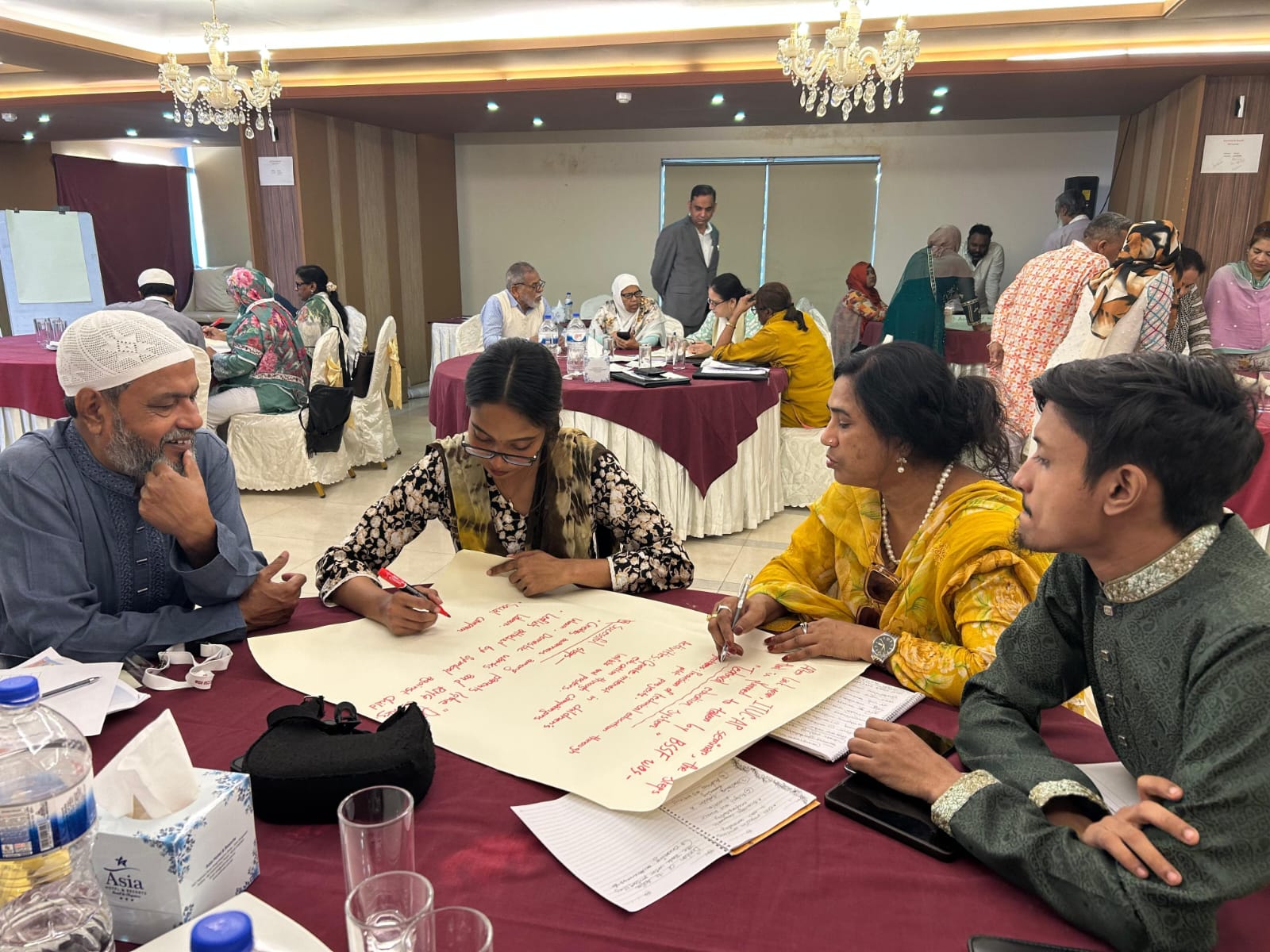
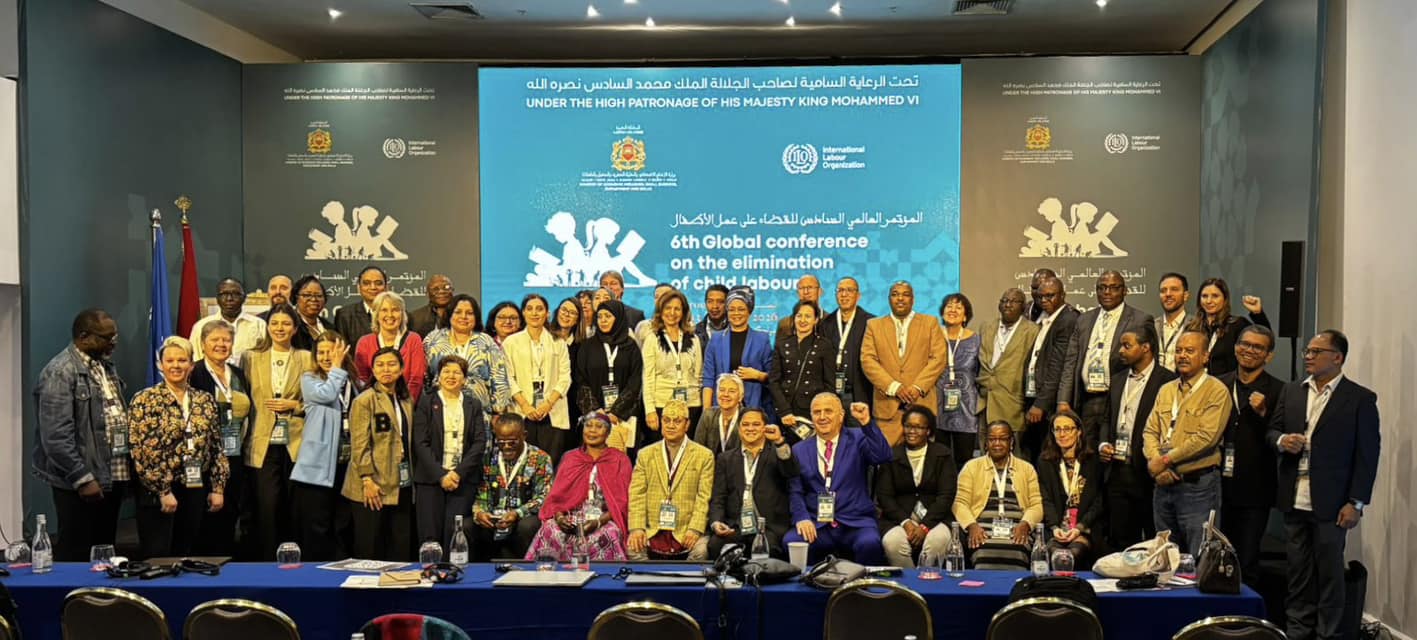
As a key outcome of the workshop, six trade union federations developed action plans for 2025-2026. These include awareness-raising campaigns, structured engagement with employers, community outreach initiatives, education support for working children and advocacy for stronger penalties against child labour violations. National priorities were also aligned with preparations for the Global Conference on the Elimination of Child Labour in 2026, to be held in Morocco.
In Nepal, a national workshop was convened in Kathmandu on 28-29 November 2025 in partnership with the ITUC-Nepal Affiliate Council (ITUC-NAC) and the South Asian Regional Trade Union Council (SARTUC), under the theme “Towards a Child Labour-Free Nepal: Strengthening Policy, Social Protection and Union Action.”
More than 1.1 million children are engaged in child labour in Nepal, including over 222,000 in hazardous work. The highest prevalence is found in agriculture and rural communities, where poverty, limited public services, and weak labour inspection systems persist.
Participants reviewed Nepal’s National Master Plan on Child Labour (2018–2028) and identified key implementation gaps, including weak enforcement, limited labour inspection capacity and inadequate social protection coverage. Trade unions emphasised that child labour is not only a violation of children’s rights but also undermines decent work by replacing adult employment, depressing wages and weakening labour standards.
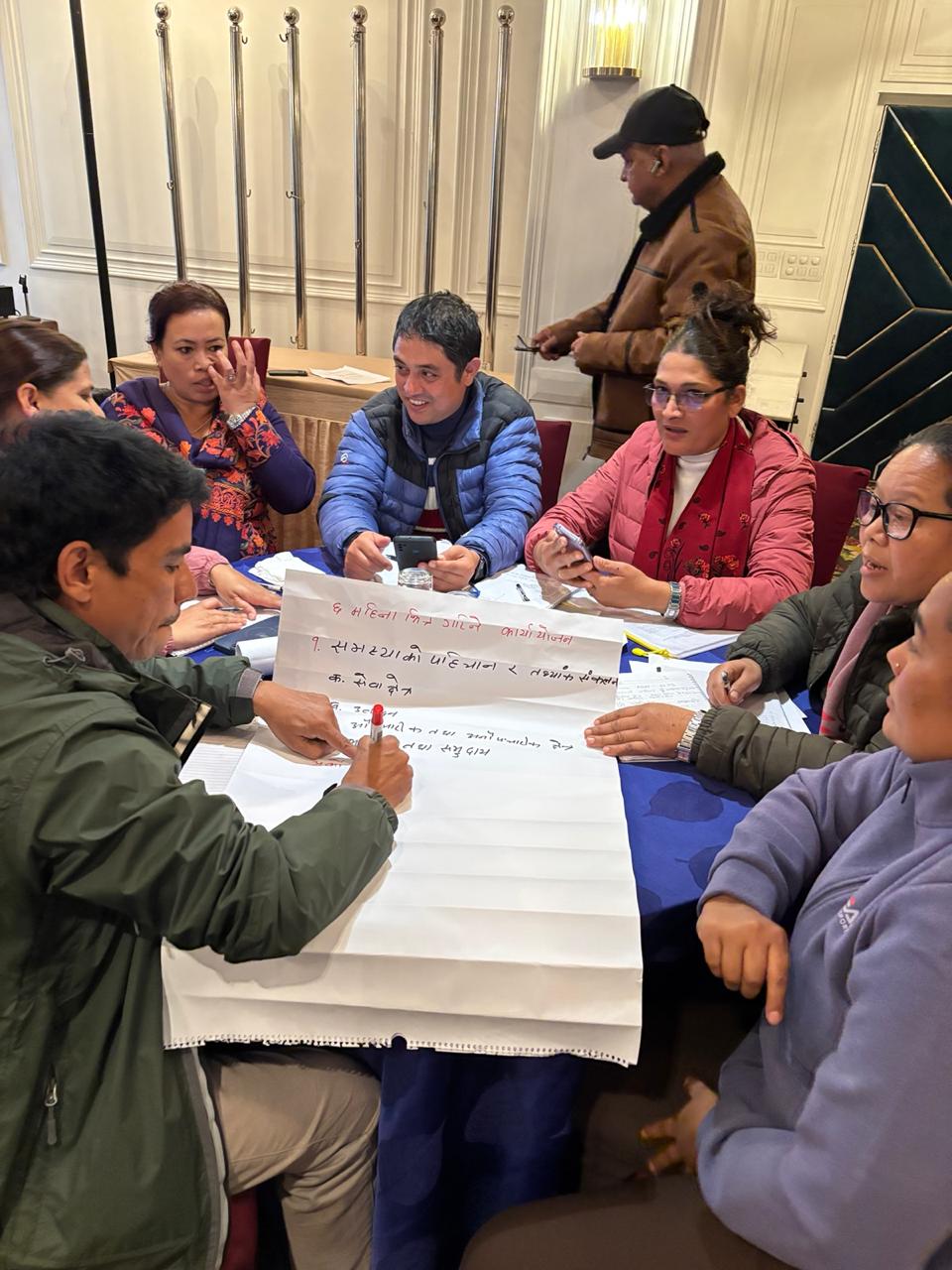
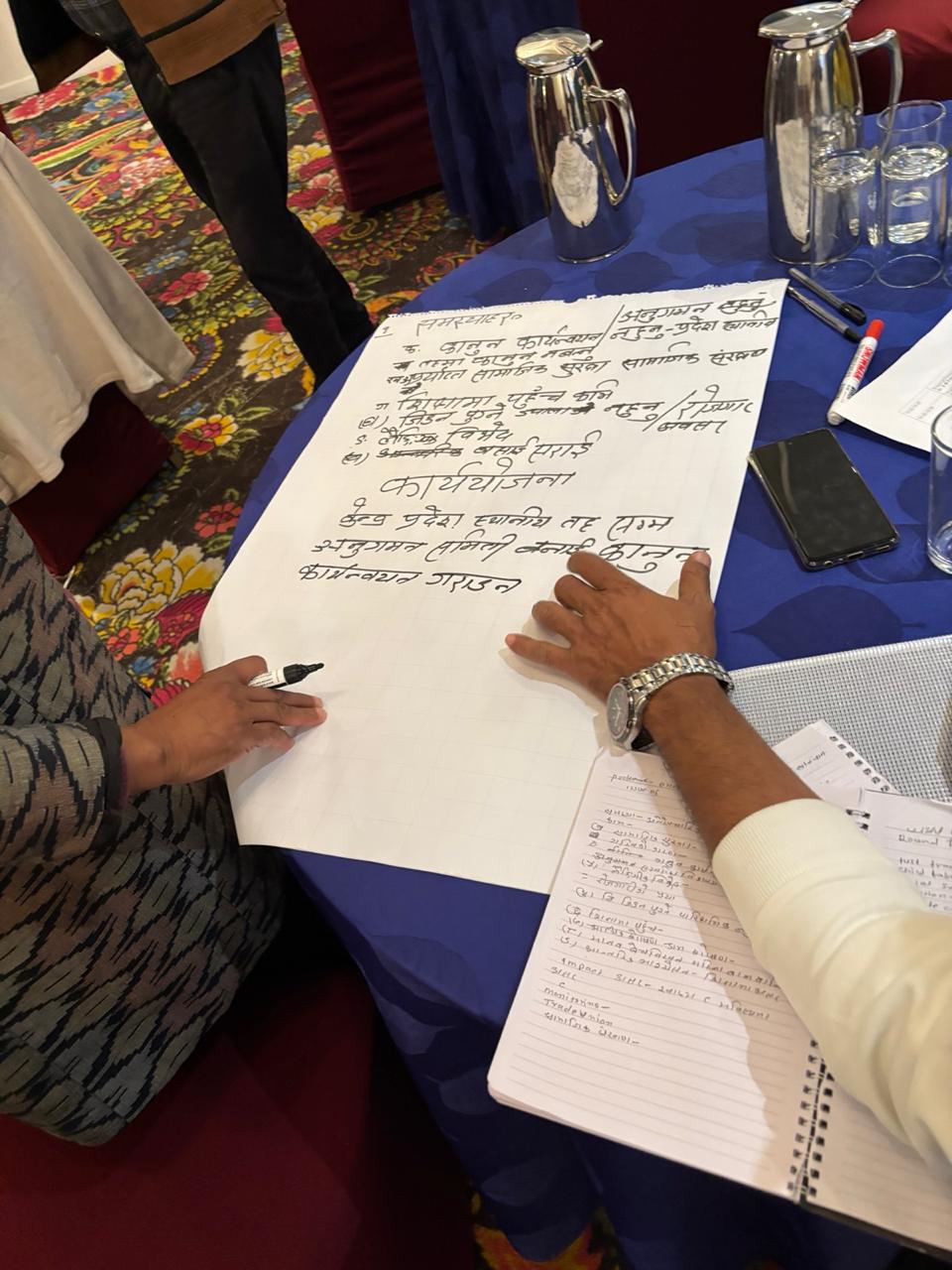
The workshop highlighted the need to link child labour elimination with broader policy priorities, including decent work and living wages for adults, universal social protection and access to quality education. The ITUC-NAC affiliates developed action plans focusing on improved data collection, strengthening child labour monitoring committees, linking social security schemes with schooling and expanding the number of child-labour-free local authorities.
An estimated 1.78 million children are engaged in child labour in Bangladesh, including nearly one million in hazardous work, while Nepal has around 1.1 million child labourers, including over 222,000 in hazardous work.
“Child labour remains one of the most urgent moral and development challenges in our region. Each child at work represents a stolen childhood, denied the right to learn, to play and to dream,” Shoya Yoshida, General Secretary of ITUC-Asia Pacific, said.
He emphasised that the fight to end child labour is inseparable from the broader struggle for social justice. He said, “When parents have secure jobs, when wages are fair, and when schools are accessible, child labour disappears.”
In this regard, trade unions reiterated that ending child labour requires a comprehensive approach centred on decent work and living wages, universal social protection, free and quality public education, stronger labour inspection, corporate accountability in supply chains, and trade union representation in national and local policy-making mechanisms.
The outcomes from the Nepal and Bangladesh workshops will inform ITUC’s position ahead of the 2026 Global Conference on the Elimination of Child Labour. ITUC-Asia Pacific will continue working with trade unions, governments, employers, and development partners across the region to address poverty and informality, strengthen labour rights and protect every child from exploitation.



.jpg)










.jpg)



.png)



.png)


.png)


%20(1).png)


.jpg)


.png)


.png)


%201.svg)


