


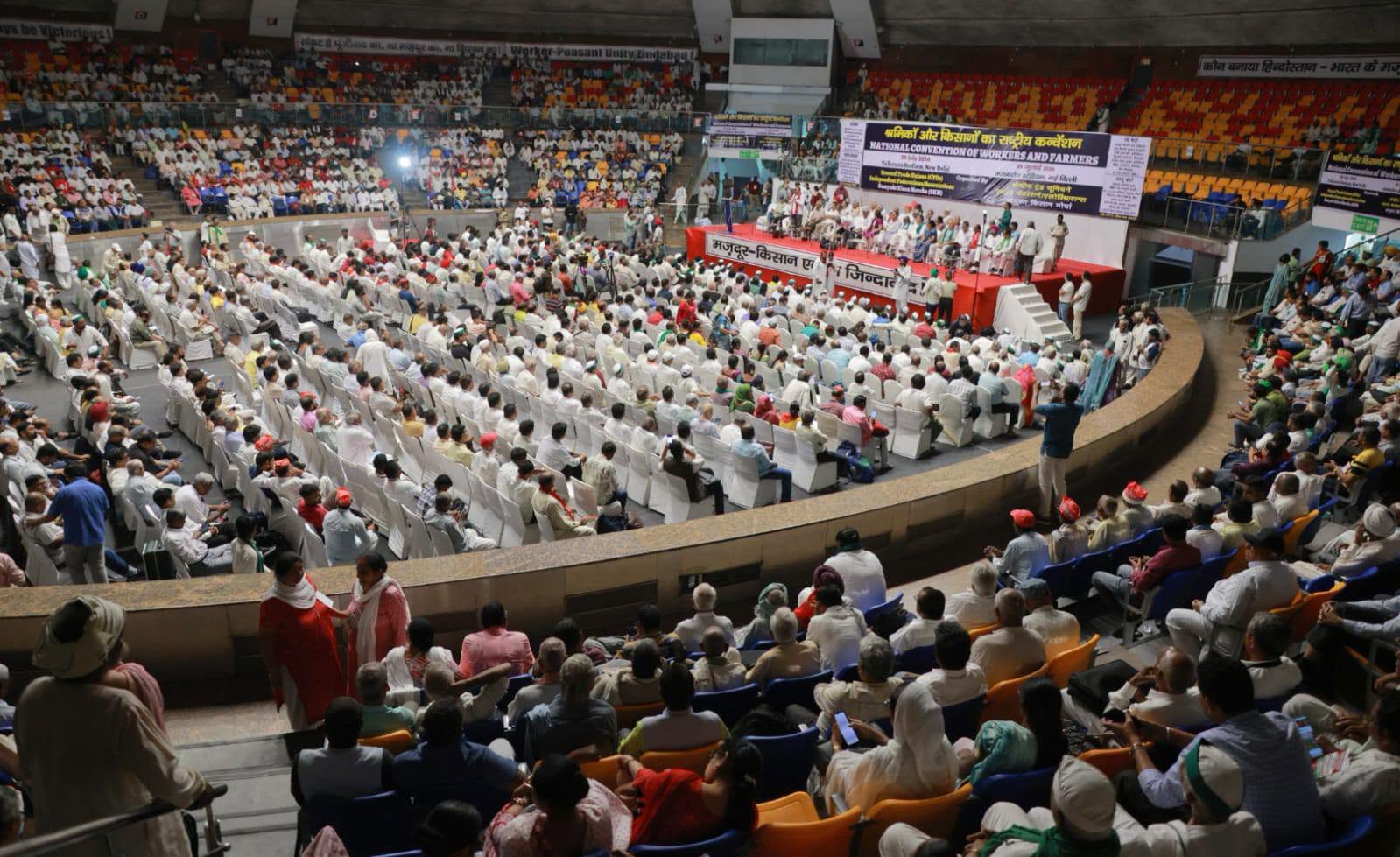
The ITUC-Asia Pacific stands in firm solidarity with the workers and trade unions of India who are organising nationwide actions and strikes on 26 November 2025 to resist the Government of India’s unilateral implementation of four new labour codes. These codes, which came into force on 21 November 2025, consolidate 29 existing labour laws into a single framework that the government acclaims to be a “historic reform” aimed at “simplification” and enhancing “ease of doing business”.
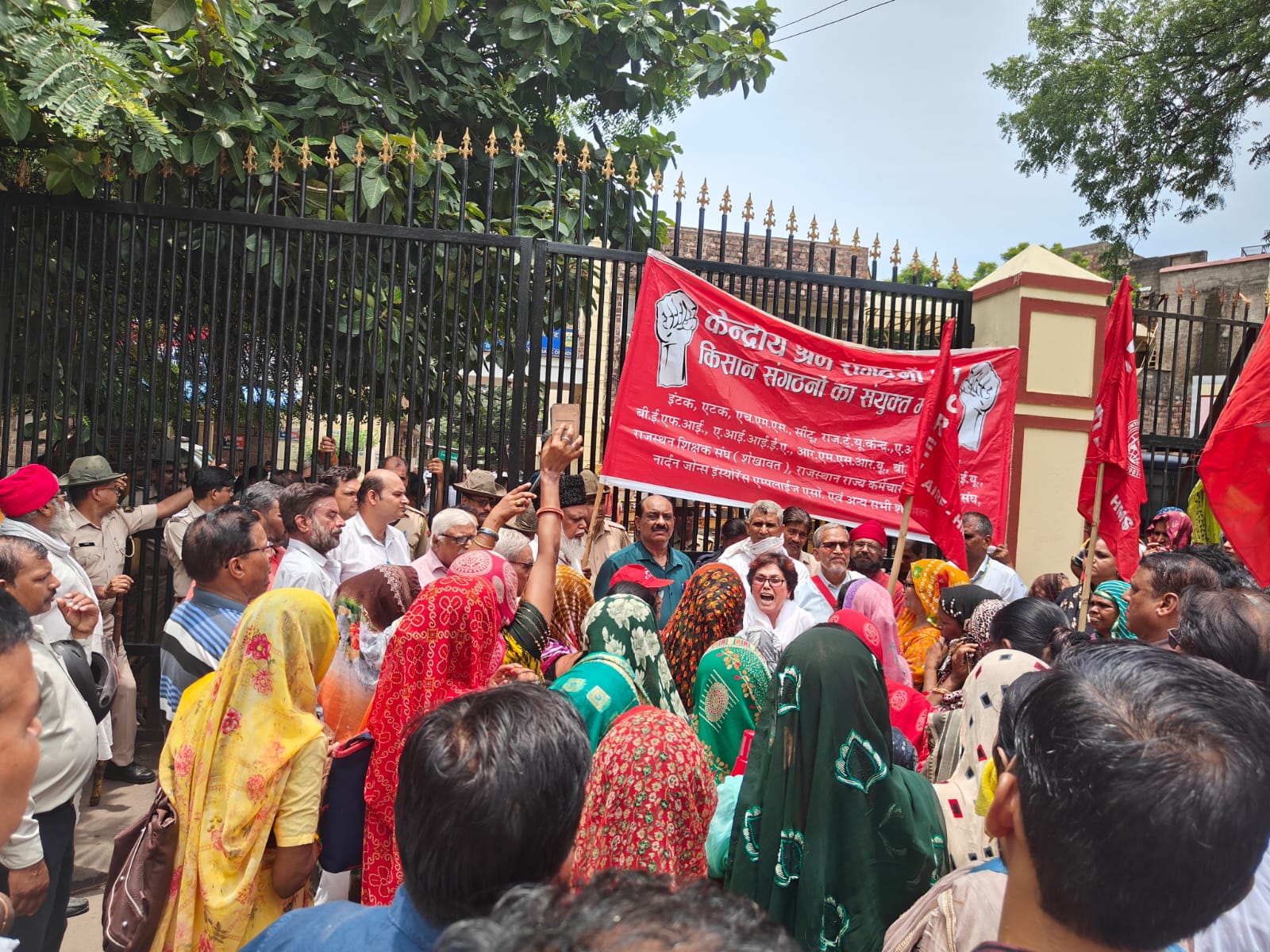
India’s trade union movement, however, has marked 21 November as “Black Day”, a day when the Indian Government notified measures that will deepen workers’ precarity instead of upholding their rights and dignity. In a powerful joint statement, the Joint Platform of Central Trade Unions, representing 10 central trade unions and several independent sectoral federations, have condemned the move as a “blatantly unilateral”, “anti-worker, pro-employer” imposition, amid repeated objections and demands for meaningful consultations.
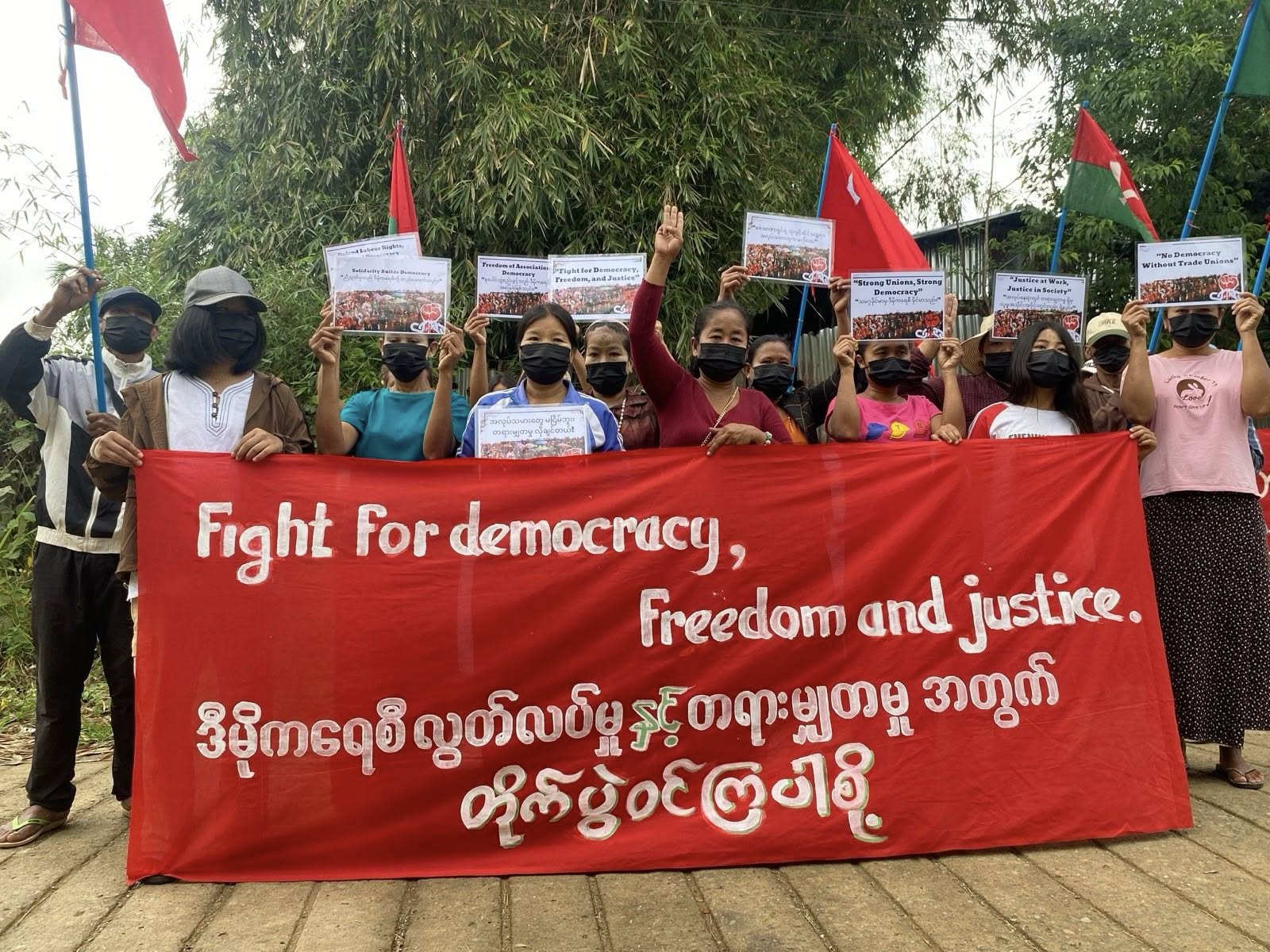
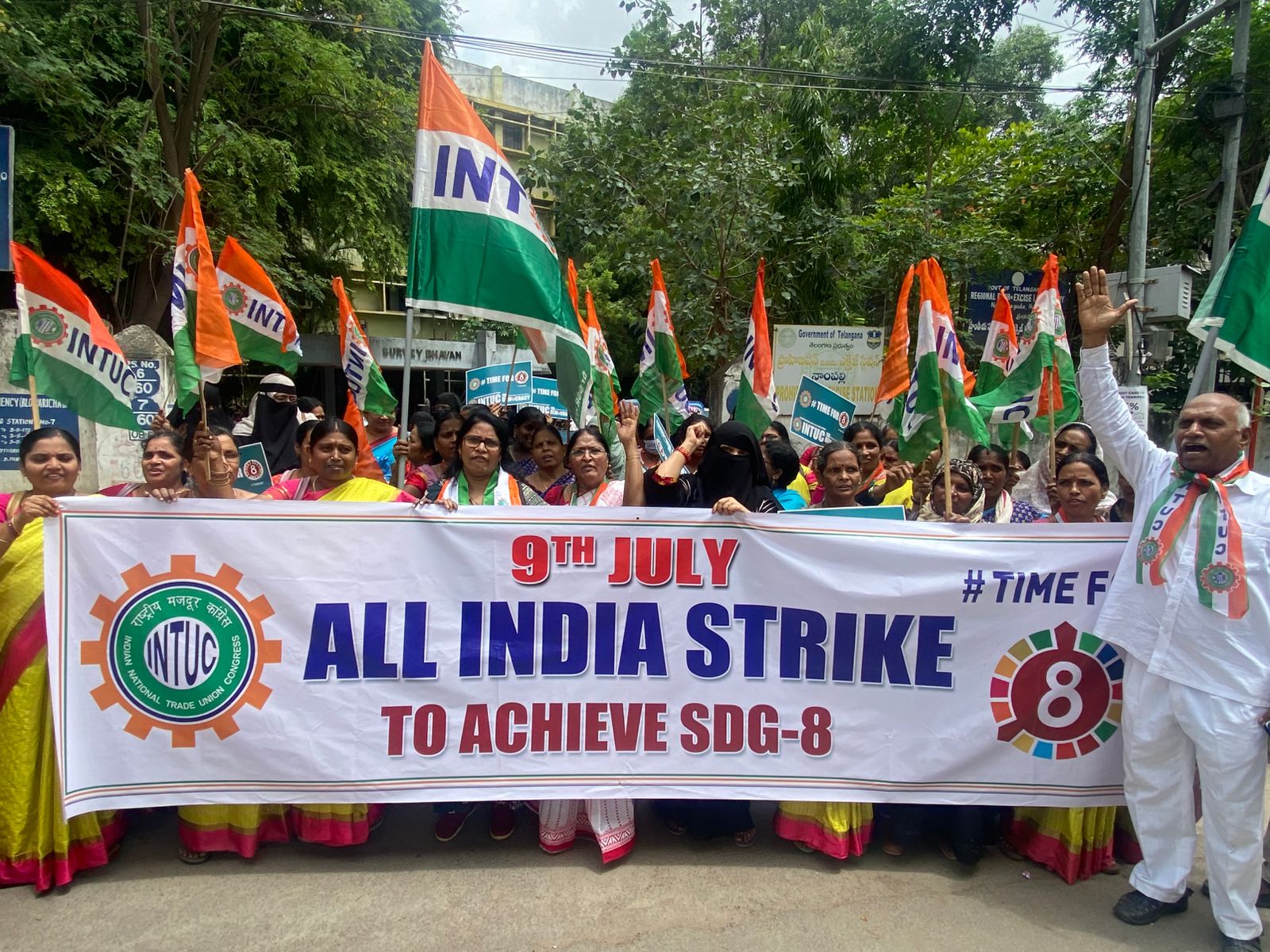
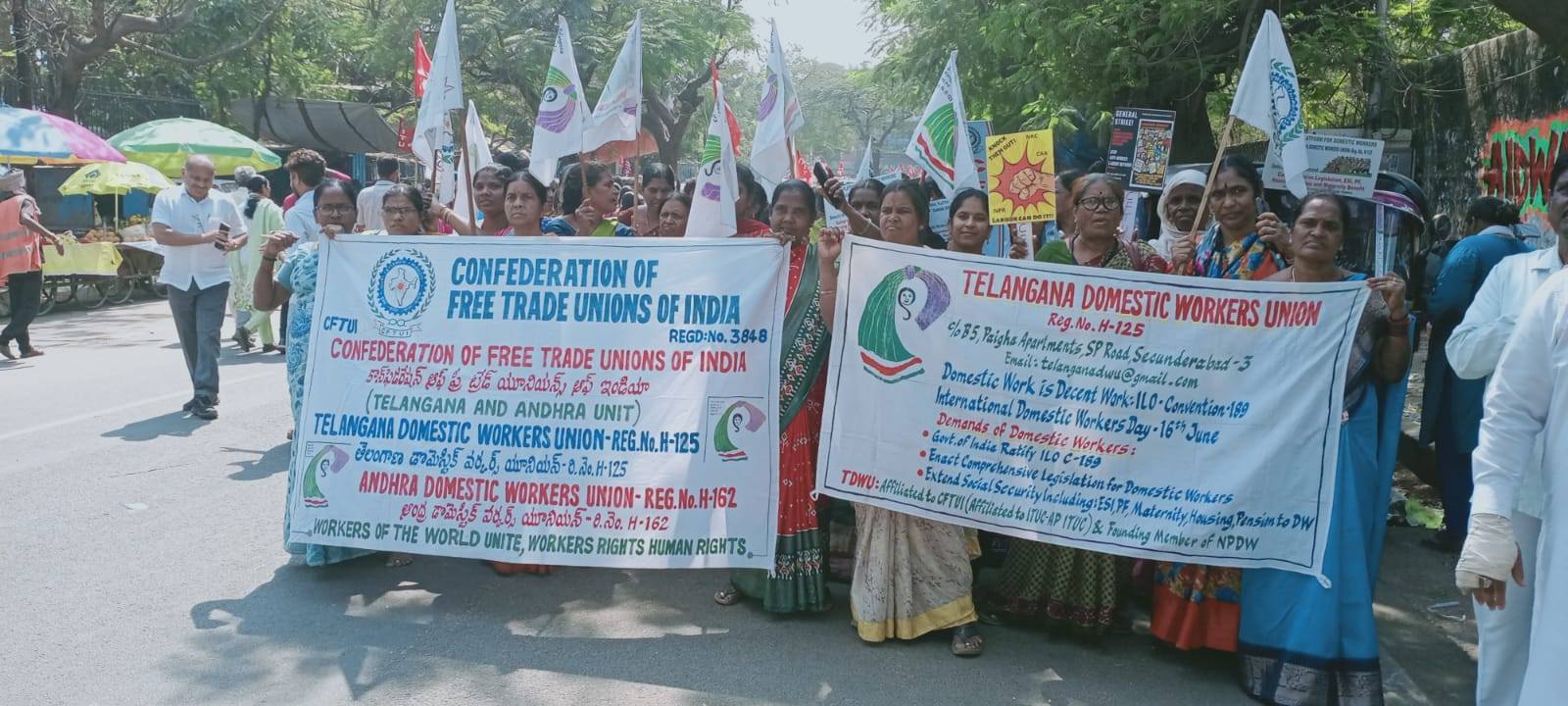
They have called on workers to “rise in rage” in joint action with the farmers’ movement on 26 November to demand the scrapping of the labour codes and the withdrawal of the draft Shram Shakti Niti 2025.
Shram Shakti Niti 2025 is the National Labour and Employment Policy of India, under which the Government of India has notified the four labour codes.
The four codes – the Code on Wages (2019), the Industrial Relations Code (2020), the Code on Social Security (2020), and the Occupational Safety, Health and Working Conditions Code (OSHWC, 2020) – represent a regressive restructuring of India’s labour regulations. While the government emphasises certain positive elements such as a national floor wage and some social security provisions for gig and platform workers, Indian trade unions argue that they mask far-reaching changes that shift power decisively towards employers.
For instance, the Industrial Relations Code raises the threshold for requiring government permission for lay-offs and closures from 100 to 300 workers, allowing larger enterprises to retrench workers and shut units with minimal oversight. Trade unions under the banner of the Platform of Central Trade Unions assert that while the Indian Government calls it ‘reform,’ but by raising the threshold to 300 workers, it hands big employers a licence to lay off with ease and leaves job security further at risk.
Meanwhile, stricter procedural requirements and extended “cooling-off” periods make lawful strikes extremely difficult, undermining the right to freedom of association and collective bargaining. According to ITUC-Asia Pacific affiliates, these amendments make lawful strikes almost impossible in many sectors, effectively undermining the internationally recognised rights to freedom of association and collective bargaining.
Trade unions also exposed that the labour codes legalise fixed-term employment across sectors, further institutionalising short-term, insecure contracts and precarious work in Indian labour market. They also drew attention to how the OSH standards are diluted in the OSHWC Code by exempting broad categories of enterprises from OSH regulations, leaving millions of workers without guaranteed OSH protections.
Meanwhile, the Code on Social Security speaks of coverage for all workers, including those in the informal and gig economy, but the actual mechanisms, financing, and accountability remain unclear and heavily discretionary.
“As Indian workers face soaring prices and vanishing security, the government calls this ‘reform’. Yet, these codes simply tighten the corporate grip and strip workers of the protections they desperately need,” said Shoya Yoshida, General Secretary of the ITUC-Asia Pacific said.
The Joint Platform of Central Trade Unions has condemned the notification of the labour codes amid deepening unemployment and inflation as “a declaration of war on the working masses”, a “deceptive fraud” by the Government, and an attempt to push India back towards a “master-servant relationship” between labour and capital.
“Equally alarming is the complete democratic deficit in the process. The codes were pushed through without reconvening the Indian Labour Conference, by marginalising unions, and by ignoring repeated written objections and protests. This undermines the spirit of ILO Convention 144 and India’s long-standing tripartite traditions,” Shoya Yoshida said.
The ITUC-Asia Pacific sounds the alarm on the possible implications of India’s labour law reforms on the trends of labour rights in the region.
Shoya Yoshida said, “India is home to over 500 million workers where most are in the informal economy. The four labour codes risk accelerating a race to the bottom in global supply chain, enabling deregulation across Asia-Pacific, fuelling forced migration through job insecurity, and shrinking democratic space by sidelining workers’ voices during transformative reforms.”



%20(1).jpg)
.jpg)















.jpg)



.png)





.png)


.png)


%20(1).png)


.jpg)


.png)


%201.svg)


