


On International Migrants Day, the ITUC-Asia Pacific calls for fair recruitment, decent work, and a New Social Contract that guarantees rights, protection, and dignity for all migrant workers.
The 2025 Asia-Pacific Regional Review of the Global Compact for Migration confirms that the region hosts 40 per cent of the world’s migrant population. More than 30.8 million migrant workers from the region are currently working in Gulf Cooperation Council (GCC) countries, marking a 277 per cent increase since 1990. Migrant workers make up 76–95 per cent of the workforce in the GCC, with major origin countries, including India, Bangladesh, Pakistan, Indonesia, Nepal, and the Philippines, sending nearly 23 million workers to the Gulf.
Migrant workers’ remittances play a vital role in sustaining not only their families, but also their countries’ economies. These amount to USD 186 billion to South Asia and USD 47–50 billion to Southeast Asia.
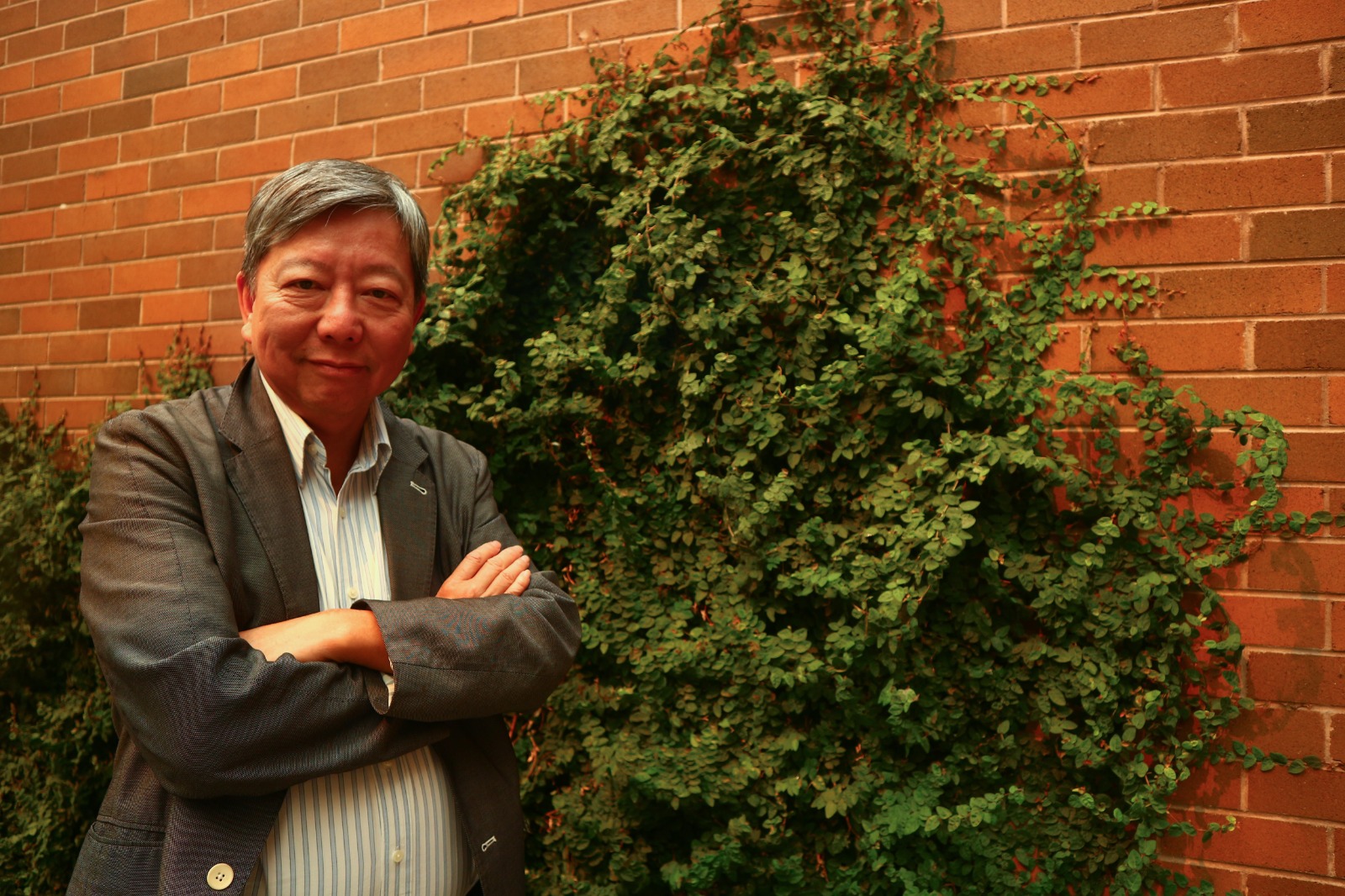
Shoya Yoshida, ITUC-Asia Pacific General Secretary said:
“Undeniably, migrant workers are keeping economies running. Yet, their contributions continue to be built on systemic exploitation and denial of rights. Migrant workers are not commodities. They are workers with equal rights, and those rights must be guaranteed across borders.”
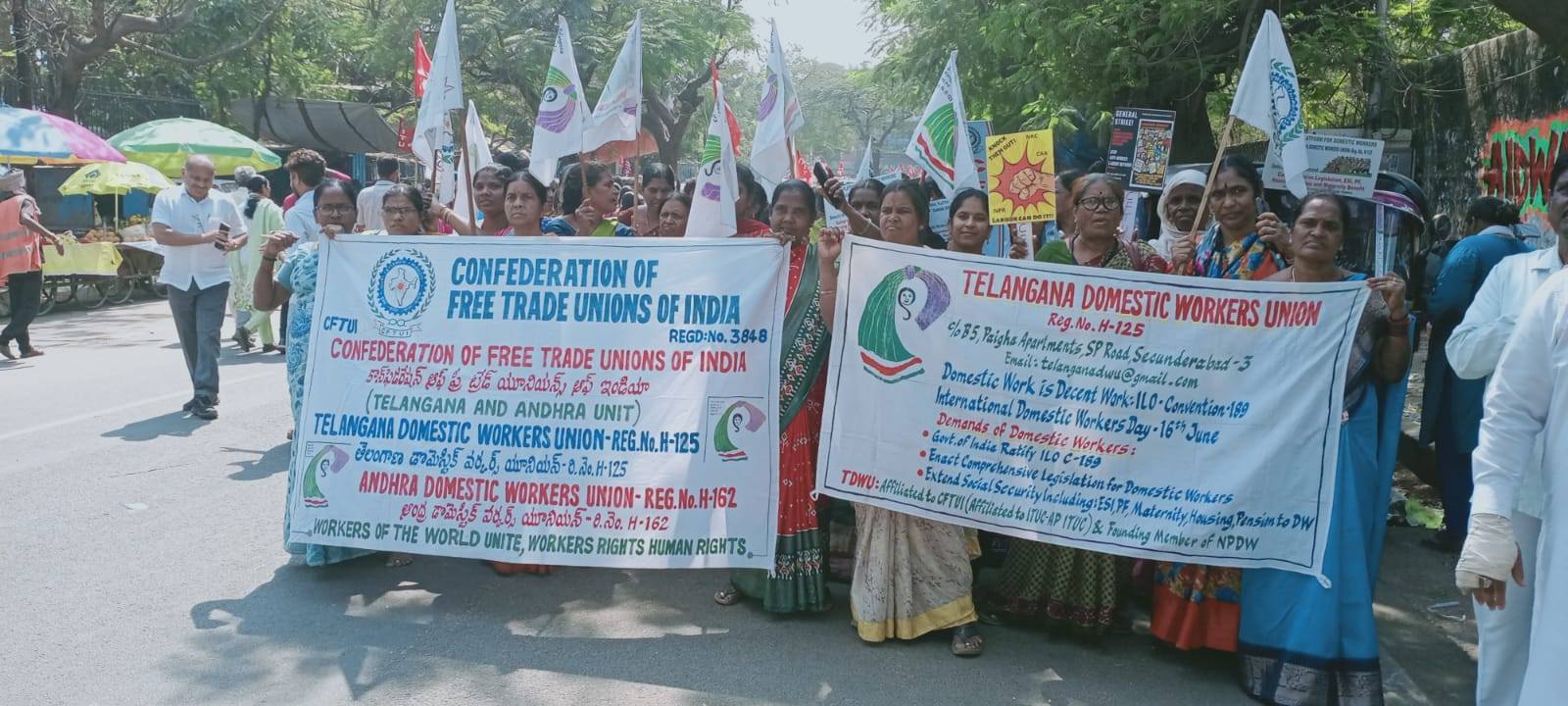
Migrant workers face wage theft, unsafe working conditions, discrimination, tied-visa and kafala systems, excessive recruitment fees, denial of trade union rights and access to justice, and heightened risks of forced labour. Women migrant workers, particularly in domestic and care work, experience compounded vulnerabilities, including violence, isolation, and exclusion from labour protections. Since the COVID-19 pandemic, labour outflows have increased by 34 per cent, while protections have failed to keep pace.
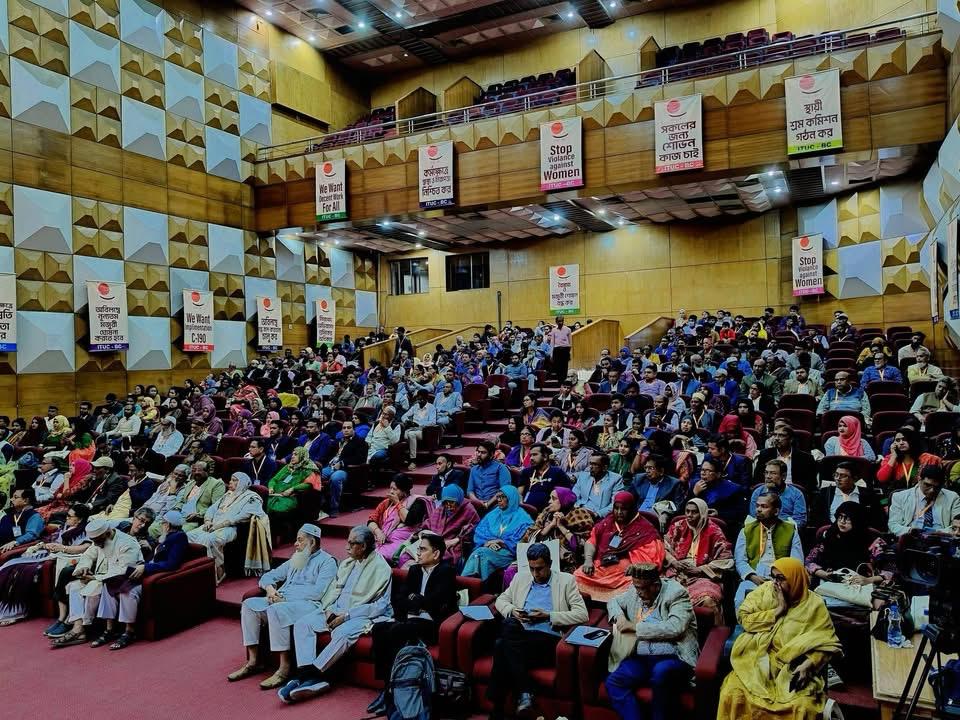
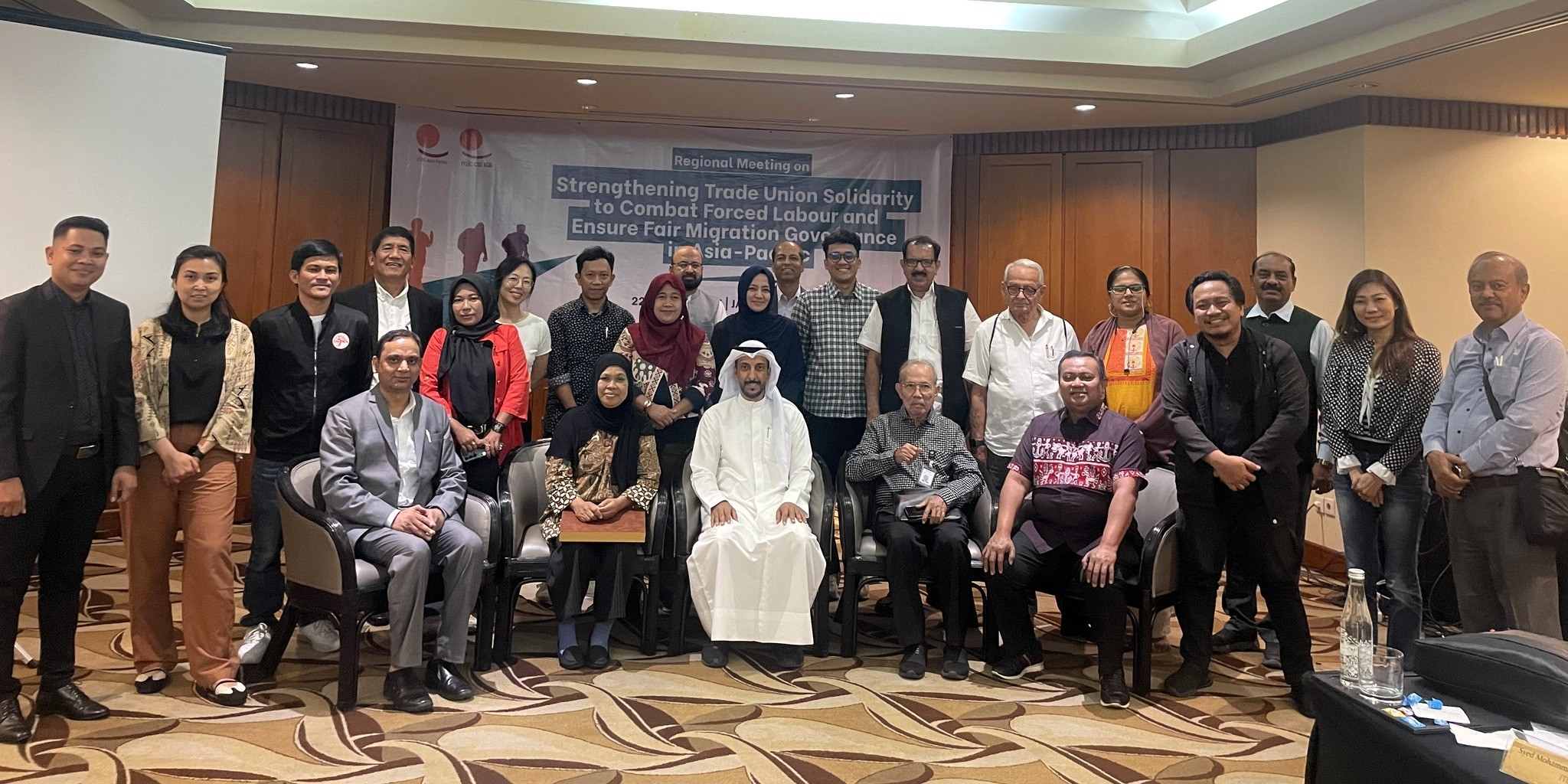
In response, ITUC–Asia Pacific continues to advance fair recruitment through zero-fee principles, cross-border trade union cooperation, legal assistance through union-run Migrant Resource Centres, and the ratification and enforcement of ILO Convention Nos. 97 (Migration for Employment Convention), No. 143 (concerning migrations in abusive conditions and the promotion of equality of opportunity and treatment of migrant workers), No. 29 (Forced Labour Convention), C105 (Abolition of Forced Labour Convention), and C189 (Domestic Workers Convention). These efforts are reinforced by the Inter-Regional Trade Union Solidarity Memorandum of Understanding, enabling coordinated action across Asia-Pacific, South Asia, Southeast Asia, the Arab region, Africa, and the Americas.
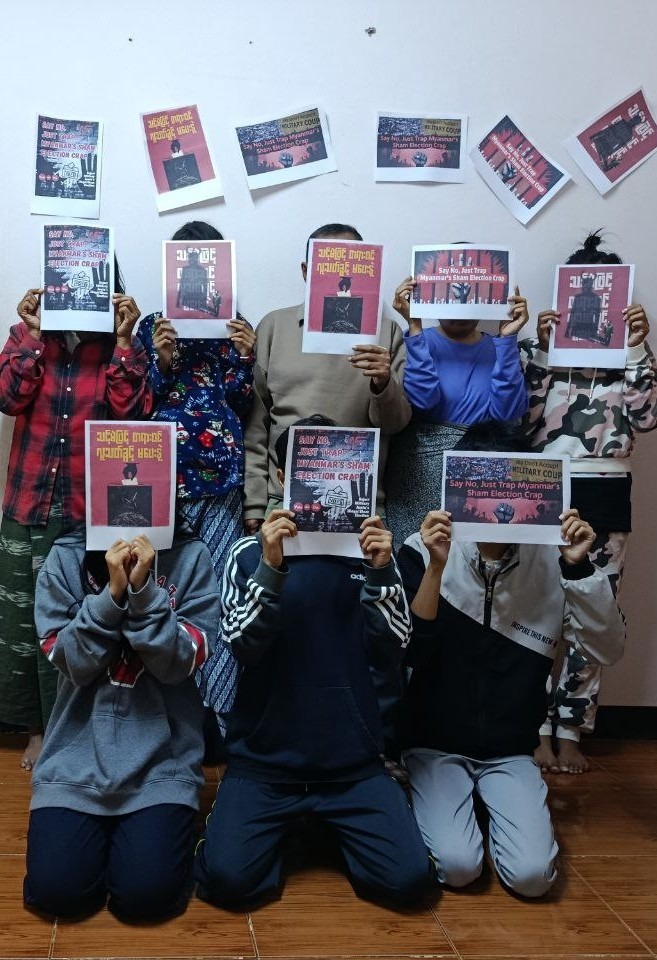
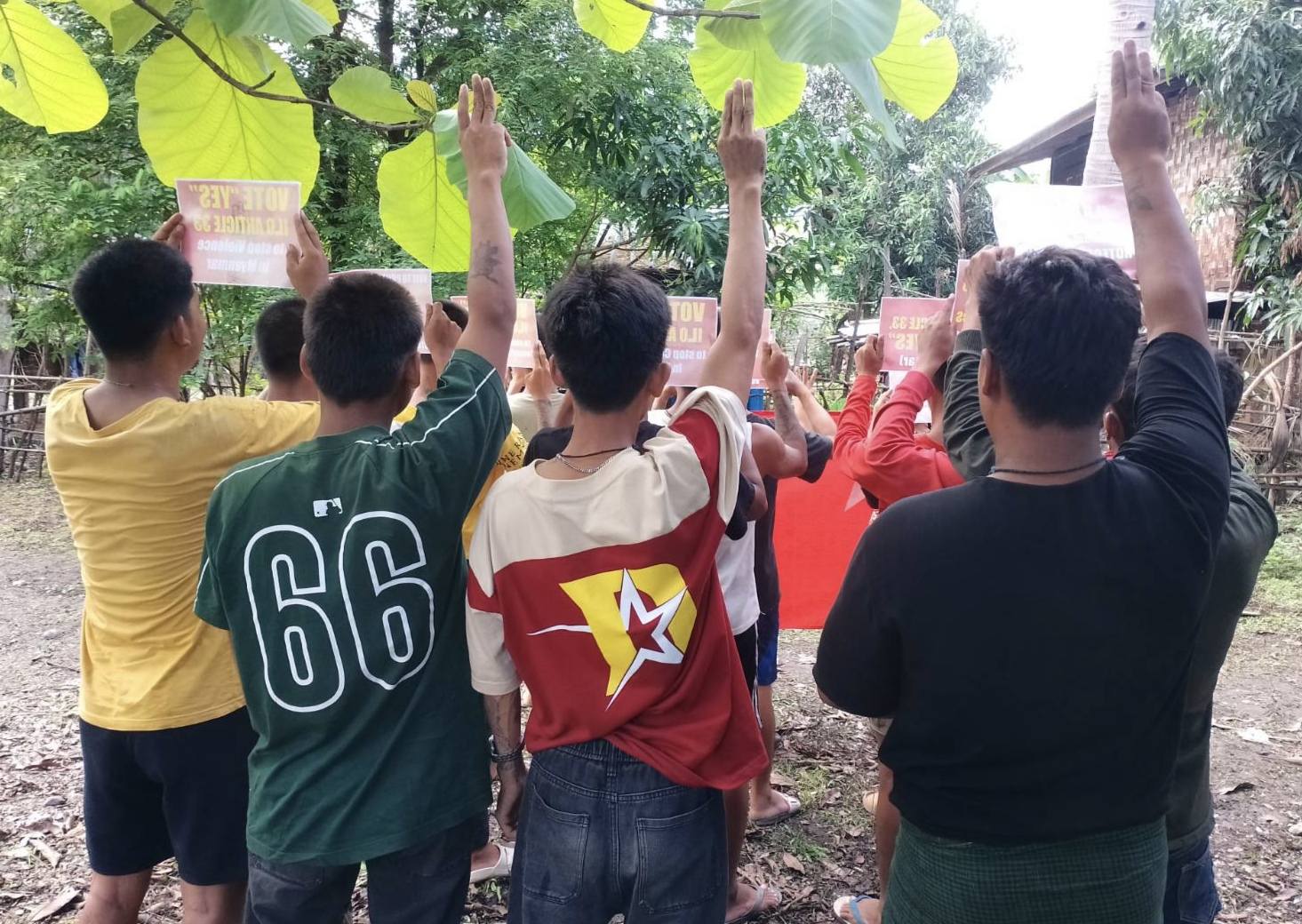
On International Migrants Day, ITUC–Asia Pacific reiterates its calls for a New Social Contract that dismantles kafala systems, bans recruitment fees, ensures wage equality, guarantees access to justice and universal social protection, respects freedom of association, and ensures migrant workers’ participation in social dialogue.
Shoya Yoshida affirmed:
“Migrant workers are equal workers. Trade unions will continue to organise across borders, challenge exploitation, and fight for a future where migrant workers’ rights, dignity, and voices are fully respected.”

.jpg)



.jpg)

.png)



.png)


.png)


%20(1).png)


.jpg)


.png)


.png)


%201.svg)


