


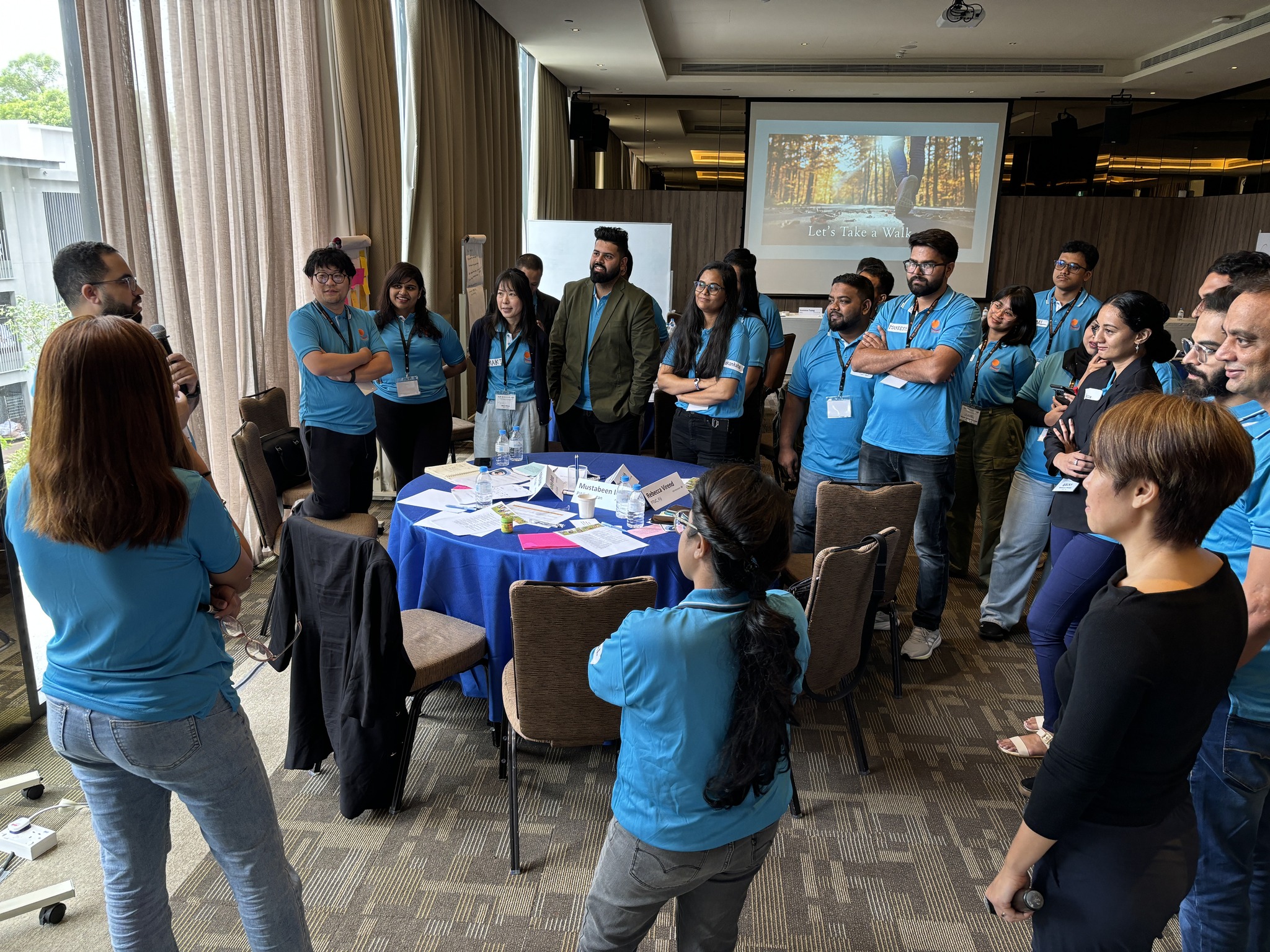
Workers and trade unions from across Asia and the Pacific region, including affiliates of ITUC-Asia Pacific, actively participated in the 13th Asia-Pacific Forum on Sustainable Development (APFSD) held from 24–27 February 2026 at the United Nations Conference Centre (UNCC) in Bangkok, Thailand, calling for transformative actions to advance decent work, labour rights, and social protection in the implementation of the 2030 Agenda.
The APFSD is an annual, inclusive intergovernmental platform that reviews regional progress on the Sustainable Development Goals (SDGs) and informs the global High-Level Political Forum on Sustainable Development (HLPF) in New York. The 2026 forum was held under the theme “Transformative, equitable, innovative and coordinated actions for the 2030 Agenda and its SDGs for a sustainable future for all.”
Workers and trade union representatives carried with them their key demands for the achievement of the SDGs under review in 2026, namely, SDG 6 (Clean Water and Sanitation), SDG 7 (Affordable and Clean Energy), SDG 9 (Industry, Innovation and Infrastructure), SDG 11 (Sustainable Cities and Communities), and SDG 17 (Partnerships for the Goals).
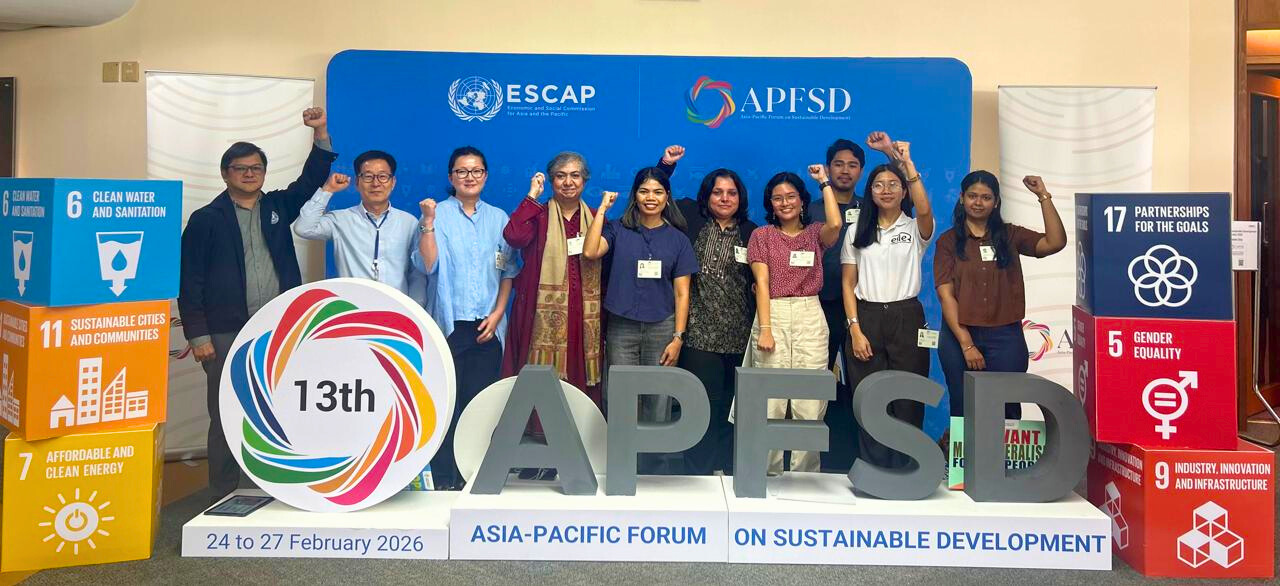
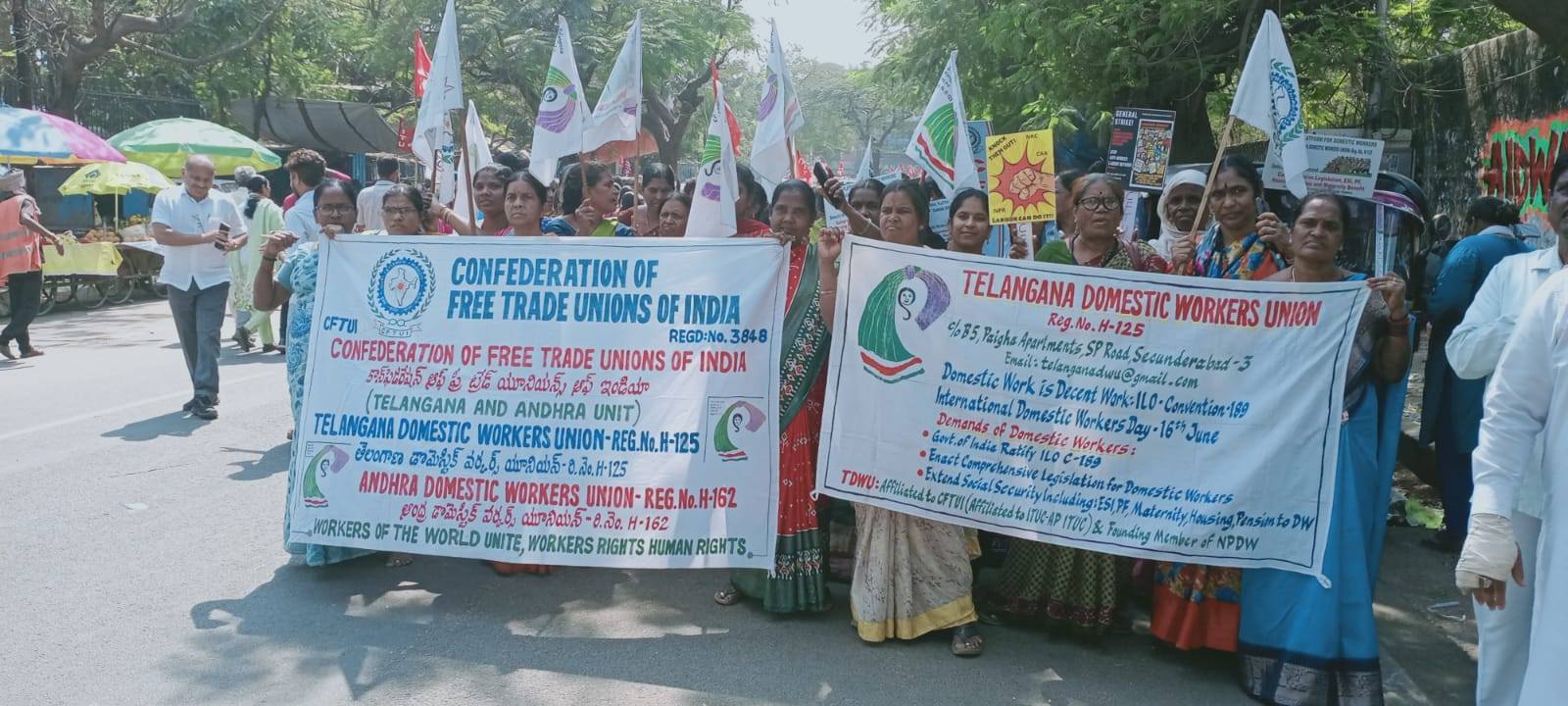
Representing the Workers and Trade Union Constituency of the Asia Pacific Regional CSO Engagement Mechanism (APRCEM), Shivalika from the Confederation of Free Trade Unions of India and Undarmaa Batsukh from Education International – Asia Pacific delivered a plenary intervention during the high-level panel on “Inclusive Urban Futures: From Inequality to Opportunity.”
They underscored the importance of addressing the decent work deficits in platform and home-based work, recognising care as a public good and increasing public investments in public services and public health, reducing women’s unpaid care work burden, and increasing public spending on inclusive infrastructure. They also asserted that just transition must be embedded in urban planning and shaping urban futures and that workers and communities must have decisive role in advancing people-centred development.
Workers and trade unions maximised their engagement in the APFSD.
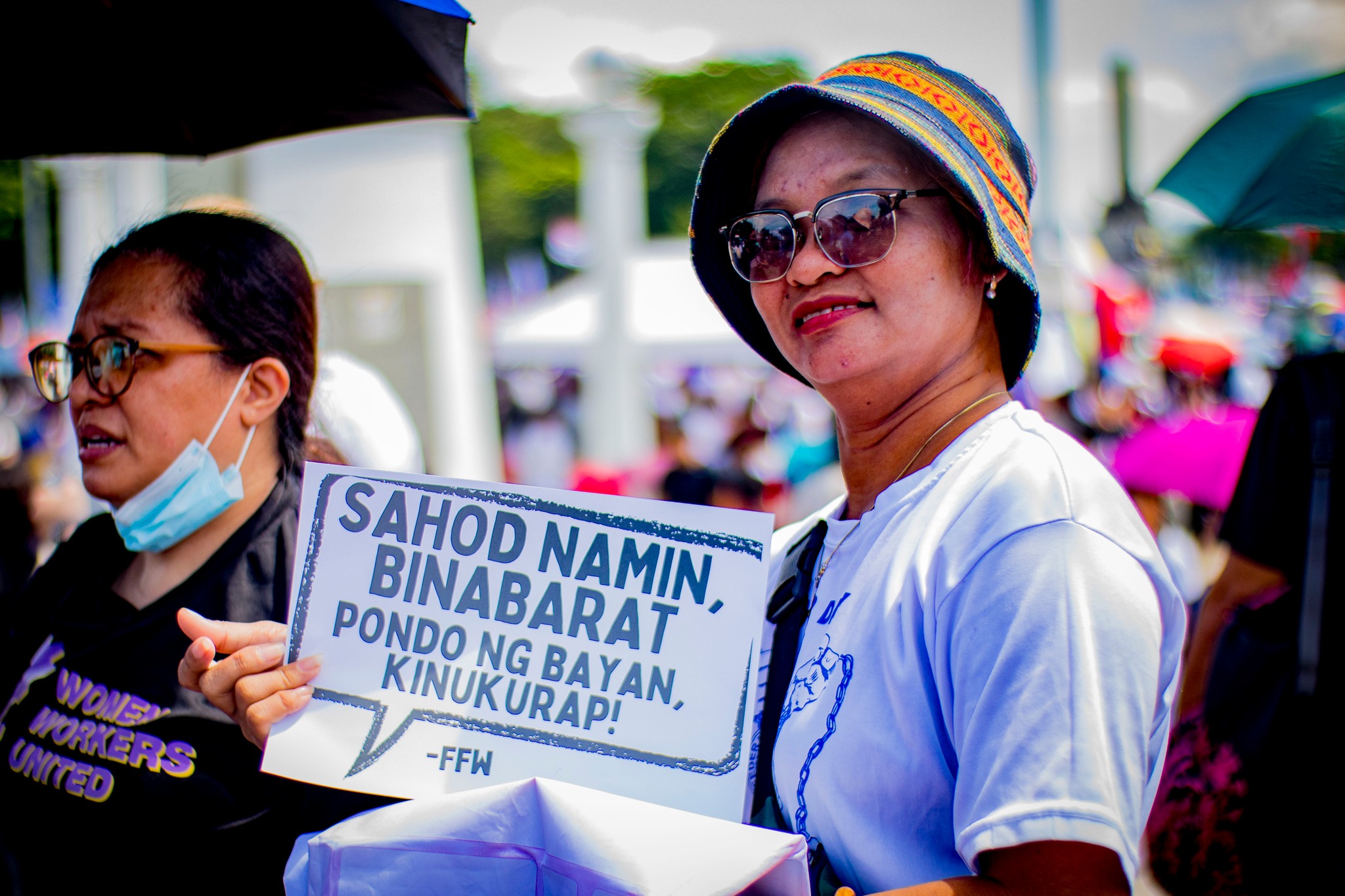
On 24 February 2026, the ITUC-Asia Pacific, Federation of Free Workers, and the International Labour Organization co-organised a hybrid side-event on "Accelerating SDG 7 and 17 through Transformative, Equitable, Innovative and Coordinated Actions." Reflecting the importance of inclusive just transition mechanisms and policies, the side event featured how just transition actions from trade unions, employers, and indigenous peoples can accelerate progress on affordable and clean energy while protecting workers and communities.
The discussion also emphasised the need for stronger and inclusive governance mechanisms, meaningful social dialogue, and adequate financing to ensure that the costs and benefits of the energy transition are shared fairly among workers, communities, and industries.
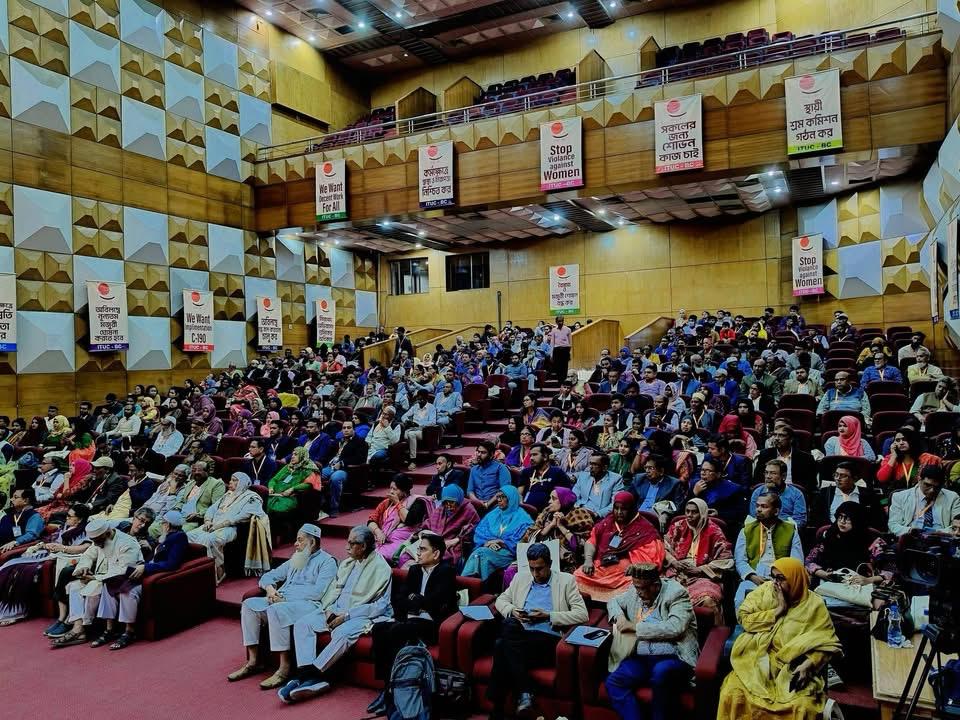
Trade unions also participated in the Asia-Pacific People’s Forum on Sustainable Development, which was held under the banner, "Resist, Reclaim, Rebuild: The Peoples’ Demand for Development Justice", from 22-23 February 2026.
In her welcome remarks as co-chair of APRCEM, Joy Hernandez, ITUC-Asia Pacific Director for Communications and Advocacy, noted that despite global commitments, progress on the SDGs remains deeply uneven. Echoing APRCEM’s call for a “multilateralism for the people”, Joy Hernandez stressed, “We are here [at the Peoples’ Forum] because we believe another multilateralism is possible and necessary. A multilateralism for the people. A multilateralism that is accountable to communities, not corporations. One that redistributes power and resources, rather than concentrating them in the hands of the few. One that centres human rights, labour rights, peace, and Development Justice.”
During a session examining the state of SDG progress in the region, Dur e Shawar from the Pakistan United Workers Federation juxtaposed the data against the everyday realities faced by women workers in informal employment across South Asia. She shared, “Life realities cannot be measured by numbers. Working longer does not guarantee security. Workers, especially women like me, and young workers, never get a fair share in the fruits of our own labour.”
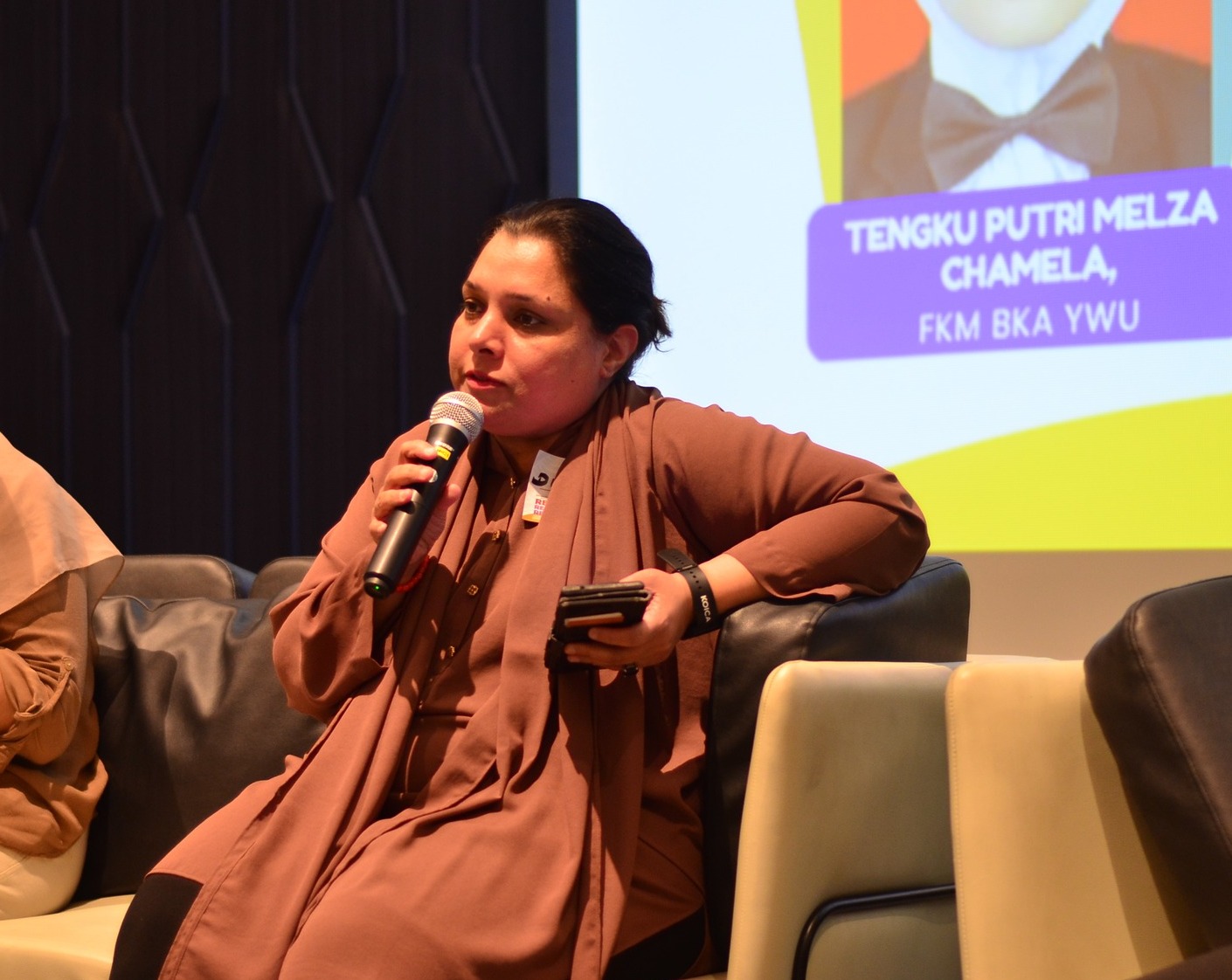
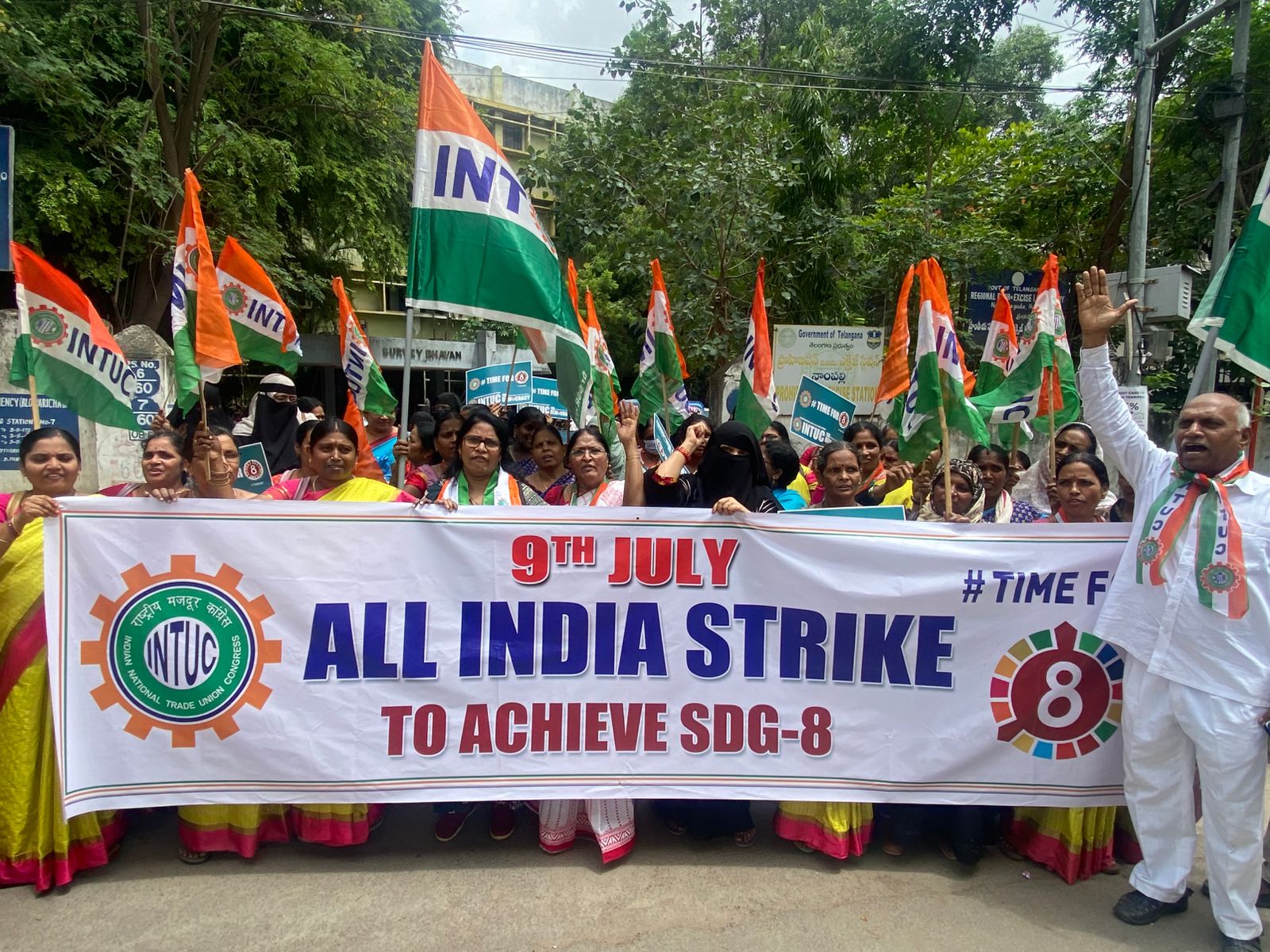
Workers and trade unions united with civil society organisations in bringing development justice demands at the APFSD to ensure accelerated and transformative actions towards the achievement of the SDGs.
The Chair’s Summary, which serves as the outcome document of the APFSD, reflects these demands, including the need to invest in robust social protection systems, promote decent work and formalisation of employment, expand inclusive infrastructure and digital connectivity, recognise care as a public good, and advance climate resilience and a rights-based energy transition.
Trade unions reaffirmed their commitment to working with governments, civil society, and international organisations to ensure that the implementation of the 2030 Agenda delivers development justice and a sustainable future for workers and communities across Asia and the Pacific.
%20(1).jpg)

.jpg)





.jpg)

.png)



.png)


.png)


%20(1).png)


.jpg)


.png)


.png)


%201.svg)


