


On International Workers’ Memorial Day (IWMD), ITUC-Asia Pacific draws attention to psychosocial risks and hazards at work as a growing and critical occupational safety and health (OSH) issue across sectors and regions.
Across the Asia and the Pacific, workers are facing increasing levels of stress, anxiety, burnout, and insecurity. ITUC-Asia Pacific underscores that these are not isolated or individual concerns, but are rooted in how work is organised and governed. Excessive workloads, long and irregular working hours, workplace violence and harassment, job insecurity, and the expansion of algorithmic management and digital surveillance are intensifying pressure on workers and undermining their health and dignity.
“Workers are experiencing increasing levels of stress, anxiety, burnout, and insecurity. These challenges are not individual failings, but are rooted in unsafe systems of work, weak protections, discrimination, violence and harassment, precarious employment, and the lack of workers’ voice in shaping working conditions,” said Shoya Yoshida, General Secretary of ITUC-Asia Pacific. “Psychosocial risks are not only occupational safety and health issues; they are also issues of dignity, equality, and fundamental rights,” Shoya Yoshida added.
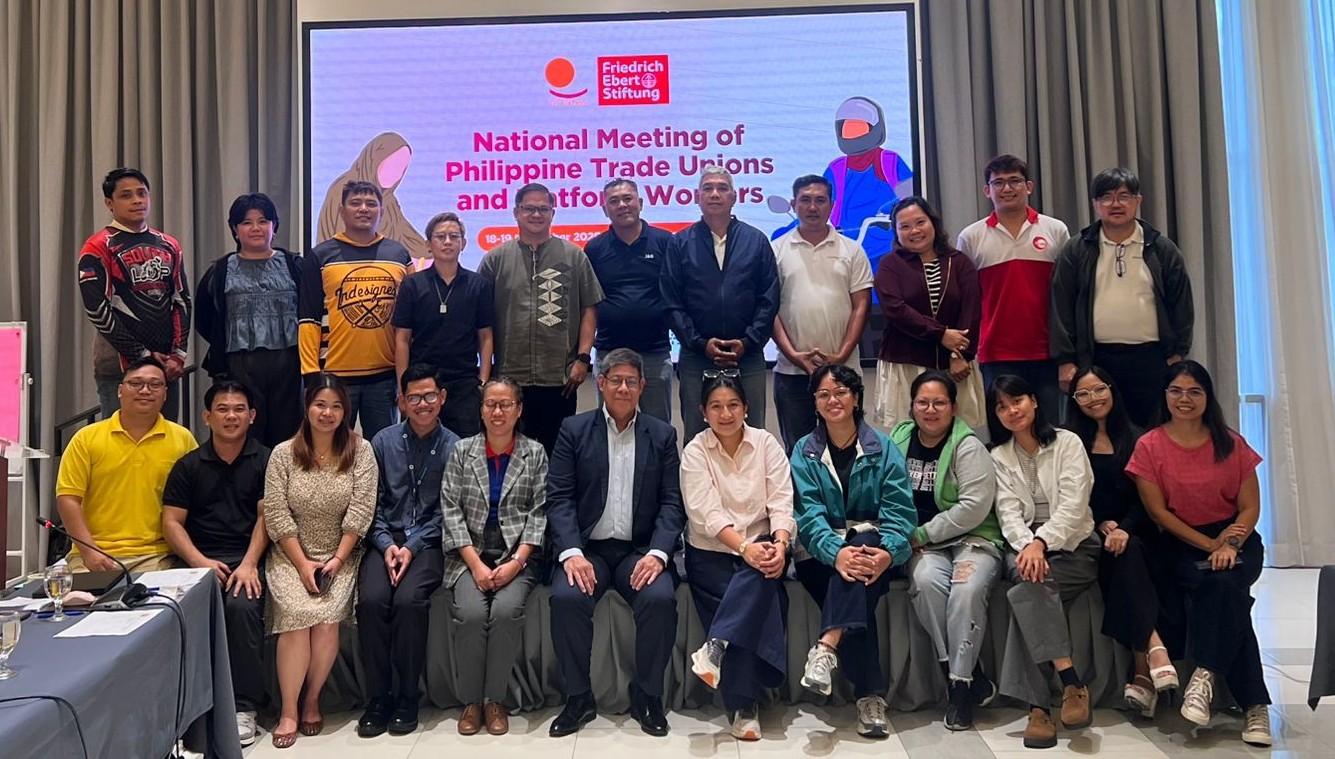
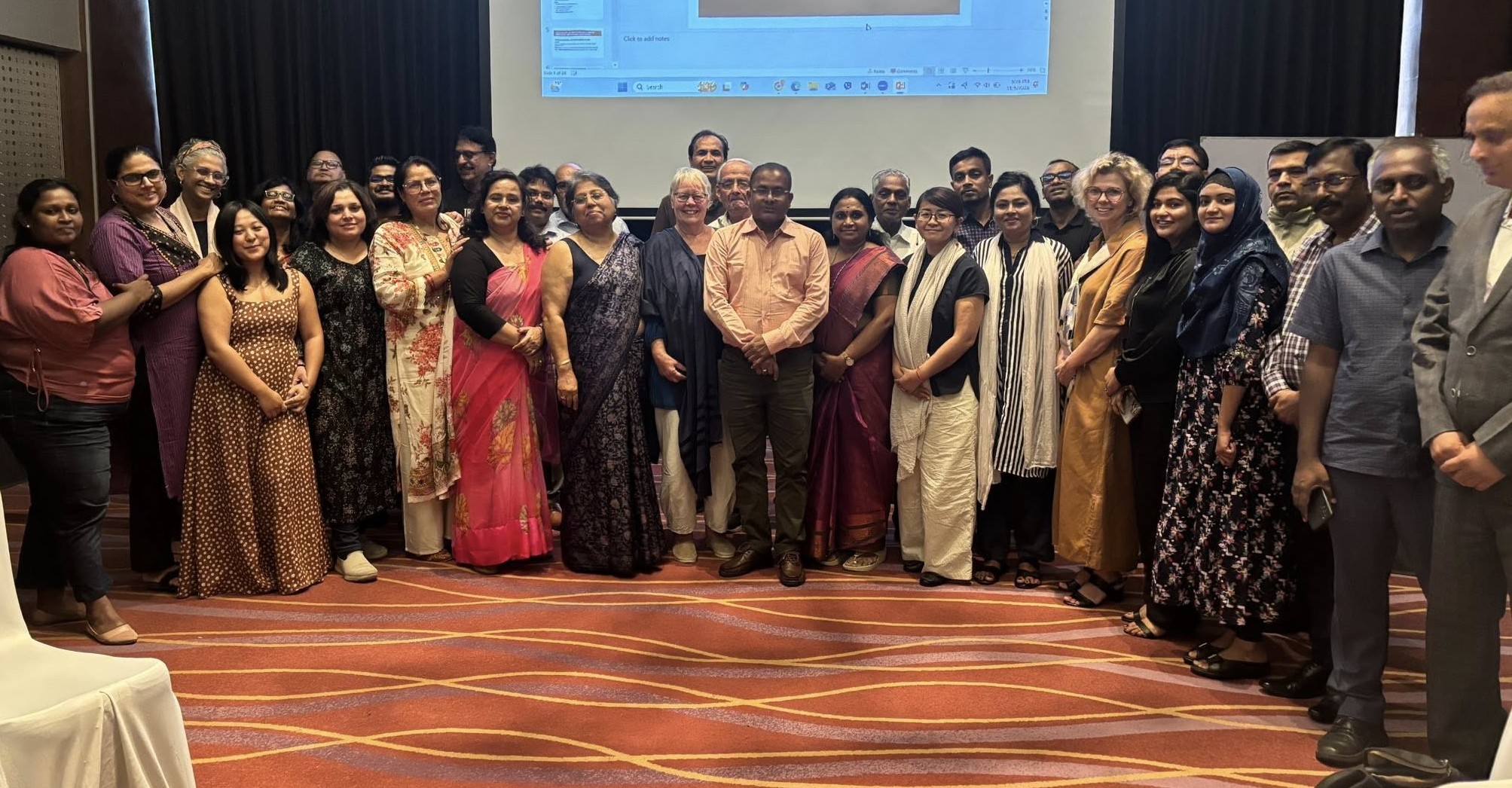
Psychosocial hazards and risks are further exacerbated by evolving forms of work and structural inequalities. In the webinar organised by ITUC-Asia Pacific to commemorate the IWMD entitled “Psychosocial Risks at Work: Organising for Workers’ Health and Safety” on 24 April 2026, discussions reinforced and highlighted how workers in precarious employment arrangements, including those in platform and informal economies, face heightened exposure due to psychosocial harm.
For instance, home-based platform workers doing content moderation are routinely exposed to disturbing and traumatic material under conditions of constant monitoring, algorithmic management, and performance pressure, with limited ability to disconnect from work. These working conditions can have profound and lasting impacts on workers’ mental health, while remaining largely unrecognised within existing OSH frameworks.
ITUC-Asia Pacific underscores that the impacts of psychosocial hazards and risks are not experienced equally. As highlighted in the webinar, women, migrant workers, young workers, LGBTIQ+ workers, Indigenous workers, workers with disabilities, and those in the informal economy face compounded risks linked to discrimination, exclusion, and violence and harassment. Women workers, in particular, experience greater risks of gender-based violence and harassment, including on digital platforms.
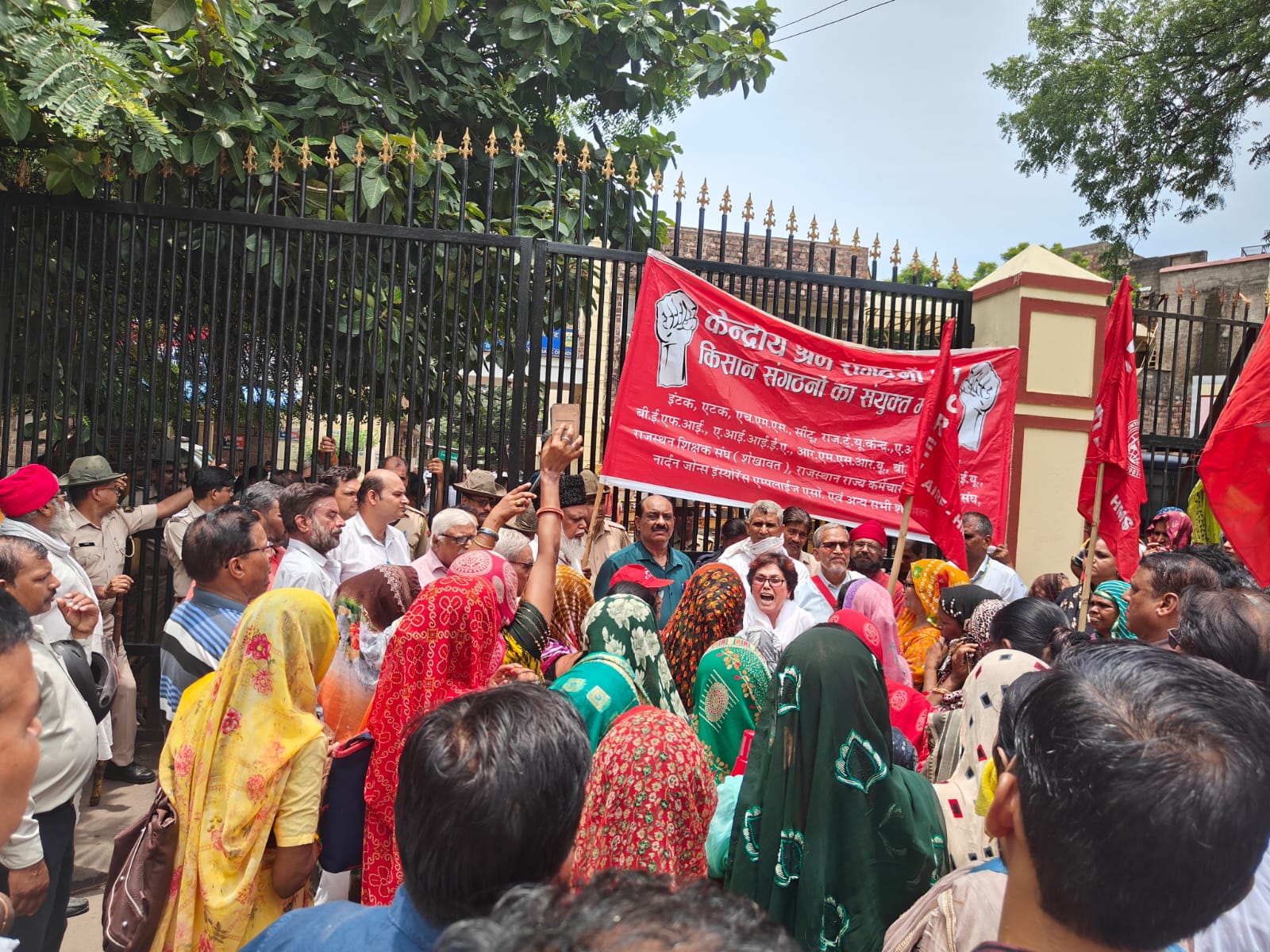
While psychosocial hazards and risks at work often remain invisible, some trade unions in Asia and the Pacific are on the frontlines of confronting them. Trade unions are organising workers in high-risk sectors, such as platform work, to raise concerns over exposure to traumatic material, constant surveillance, and unrealistic performance targets. They are documenting workers’ experiences and using this evidence to push for recognition of psychosocial risks within occupational safety and health frameworks.
Trade unions are also negotiating workplace measures and policy reforms, including the recognition of gender-based violence and harassment as occupational safety and health issues, and pushing for stronger protections against excessive working hours, job insecurity, and unsafe management practices. Where social protection systems fall short, trade unions like the Self-Employed Women’s Association step in by providing heat wave insurance for informal women workers whose psychosocial hazards exacerbate from the increasing impacts of climate change.
In contexts where workers face barriers to organising or even reporting psychosocial harms, such as fear of retaliation or job loss, unions are creating safe spaces for workers to speak out and building collective strategies to address these risks.
Through organising, collective bargaining, and advocacy, trade unions are making visible the realities of workers’ mental health and working conditions, and advancing concrete solutions to ensure safer, healthier, and more dignified work.
“What trade unions are showing is that psychosocial risks are not invisible. They are being named, organised around, and challenged. Through collective action, workers are turning these issues into demands and concrete solutions for safer, healthier, and more dignified work,” Shoya Yoshida said.
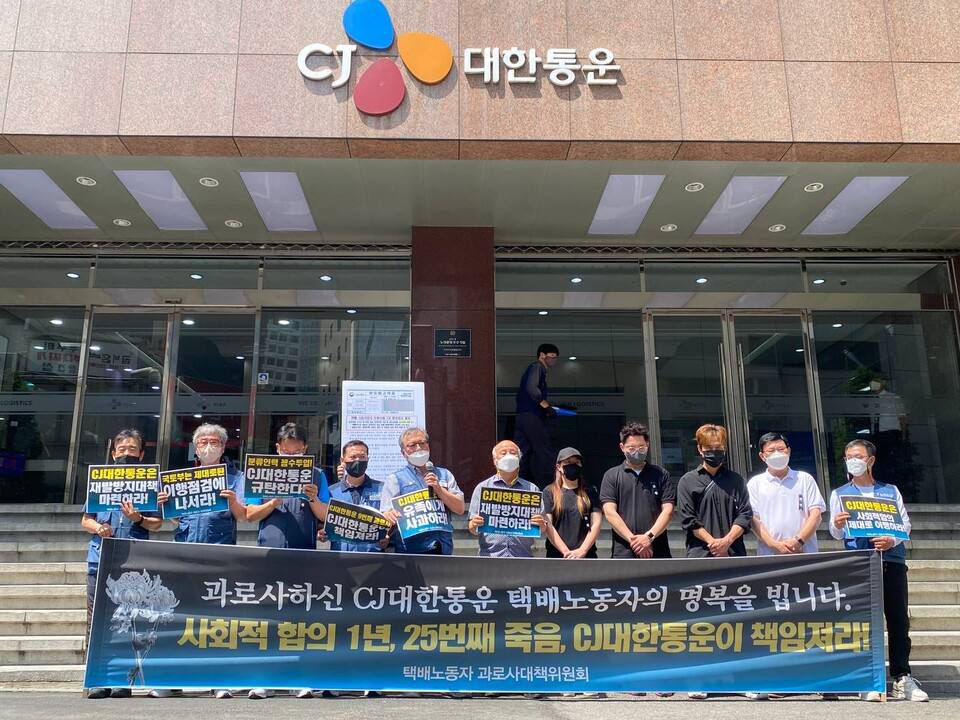
On International Workers’ Memorial Day, ITUC-Asia Pacific reaffirms the call to “Remember the dead, fight for the living,” and stresses that this commitment must extend to addressing the full range of occupational risks.
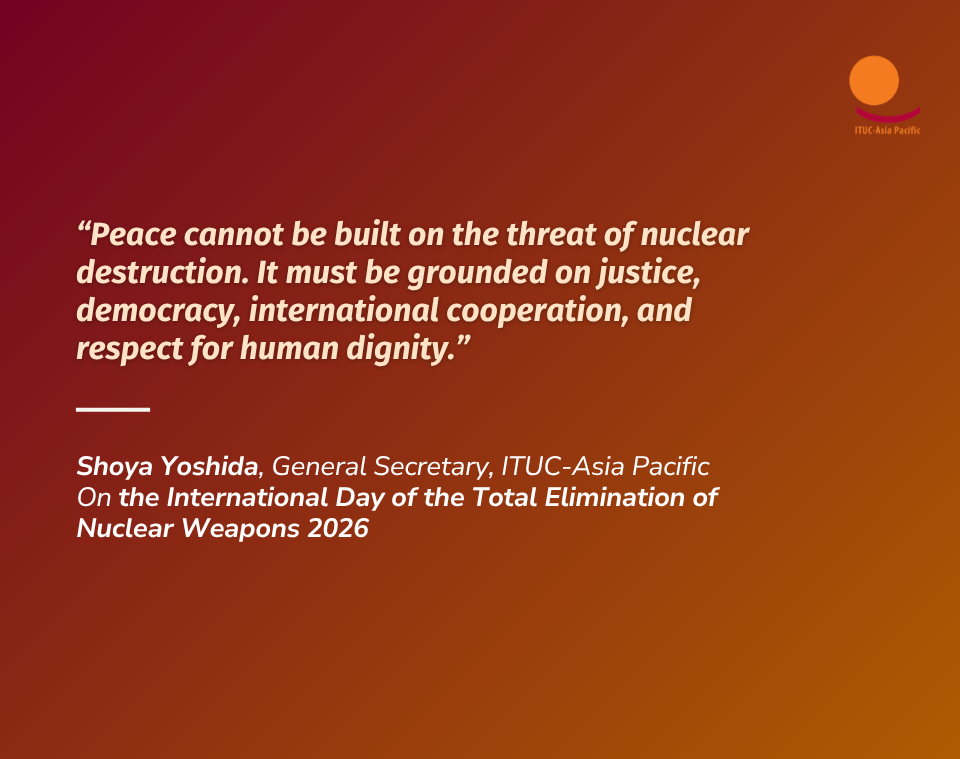
“We owe it to the workers we have lost, and to those who continue to face these challenges, to ensure that safety and health remain a priority,” said Shoya Yoshida. “Honouring the dead means protecting the living by taking concrete actions to eliminate the conditions that harm workers, including psychosocial risks and hazards.”



%20(1).jpg)
.jpg)



.jpg)
.png)



.png)


.png)


%20(1).png)


.jpg)


.png)


%201.svg)


