


On 1 May 2026, workers and trade unions across Asia and the Pacific marked May Day through collective actions to raise their urgent demands in times of crisis. Amid escalating conflicts, economic instability, deepening inequality, shrinking democratic space, and rising costs of living, ITUC-Asia Pacific and its affiliates reaffirmed that May Day is not only a commemoration of past struggles, but also a call to defend and advance workers’ rights, dignity, and aspirations.
Across the region, ITUC-Asia Pacific affiliates led marches, rallies, assemblies, public actions, and online campaigns to call for living wages, universal social protection, safe and secure jobs, freedom of association, collective bargaining, and meaningful participation of workers in decision-making. These demands reflect the reality that workers are often among the first to suffer and the last to recover in times of crisis.
As affiliates celebrated May Day 2026 in their respective countries, they showed once again that solidarity remains the strength of the labour movement. In the face of uncertainty and injustice, workers across Asia and the Pacific continue to stand together for a future grounded in peace, democracy, and decent work for all.
Australia's biggest Labour Day mobilisation happened in Queensland, where hundreds of thousands of workers came together to celebrate the victories of the labour movement and to continue the fight for the workers' safety.
The march highlighted the call to defend strong safety laws that protect workers from injury and harm at work.
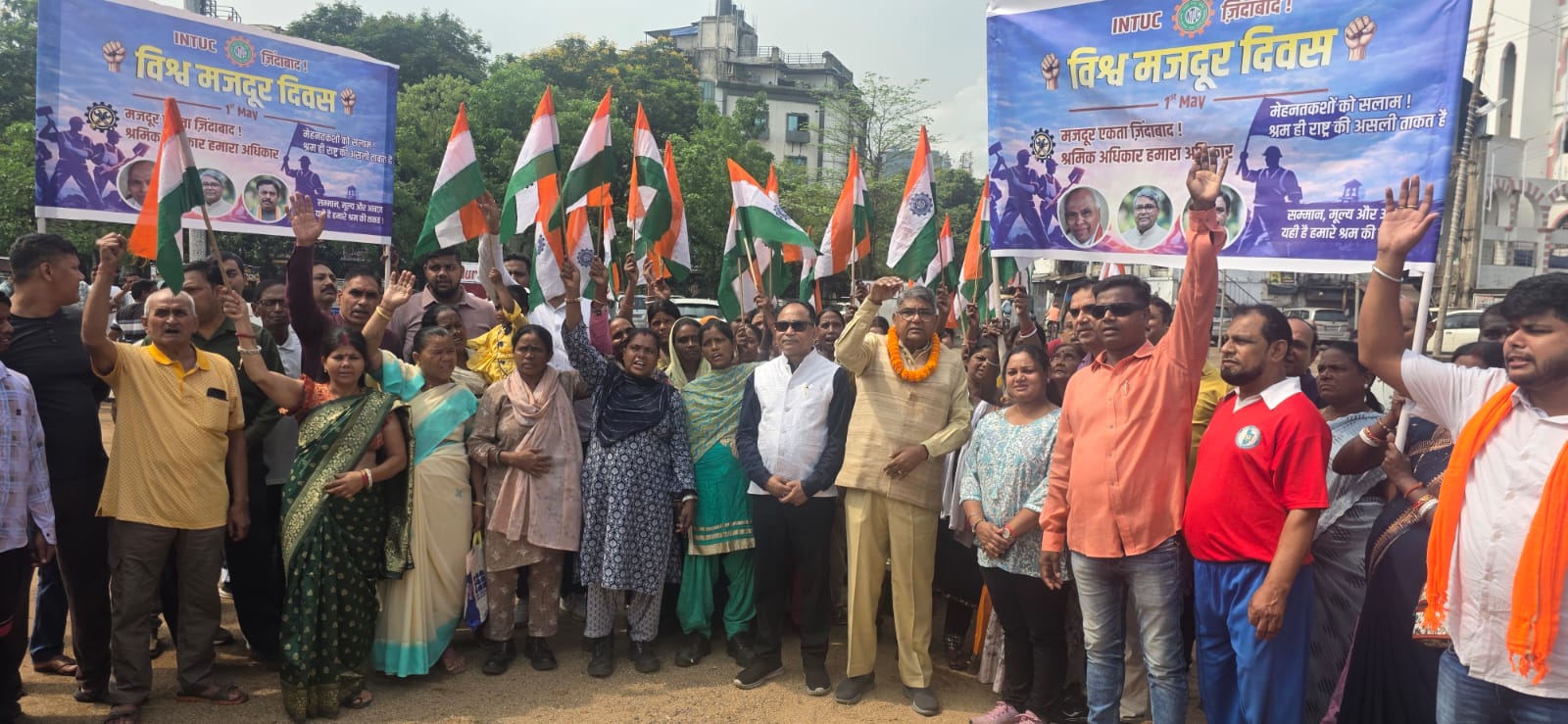
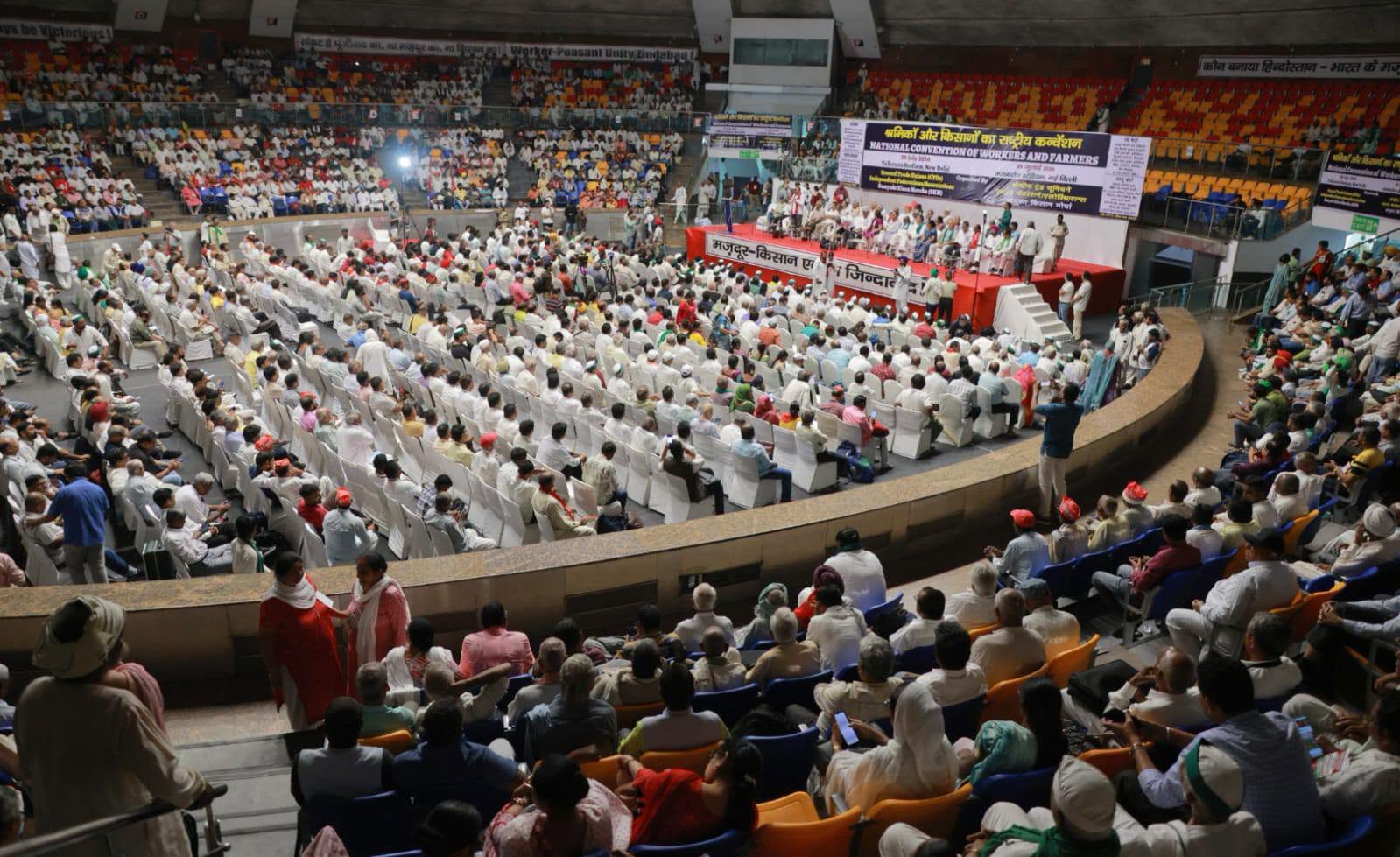
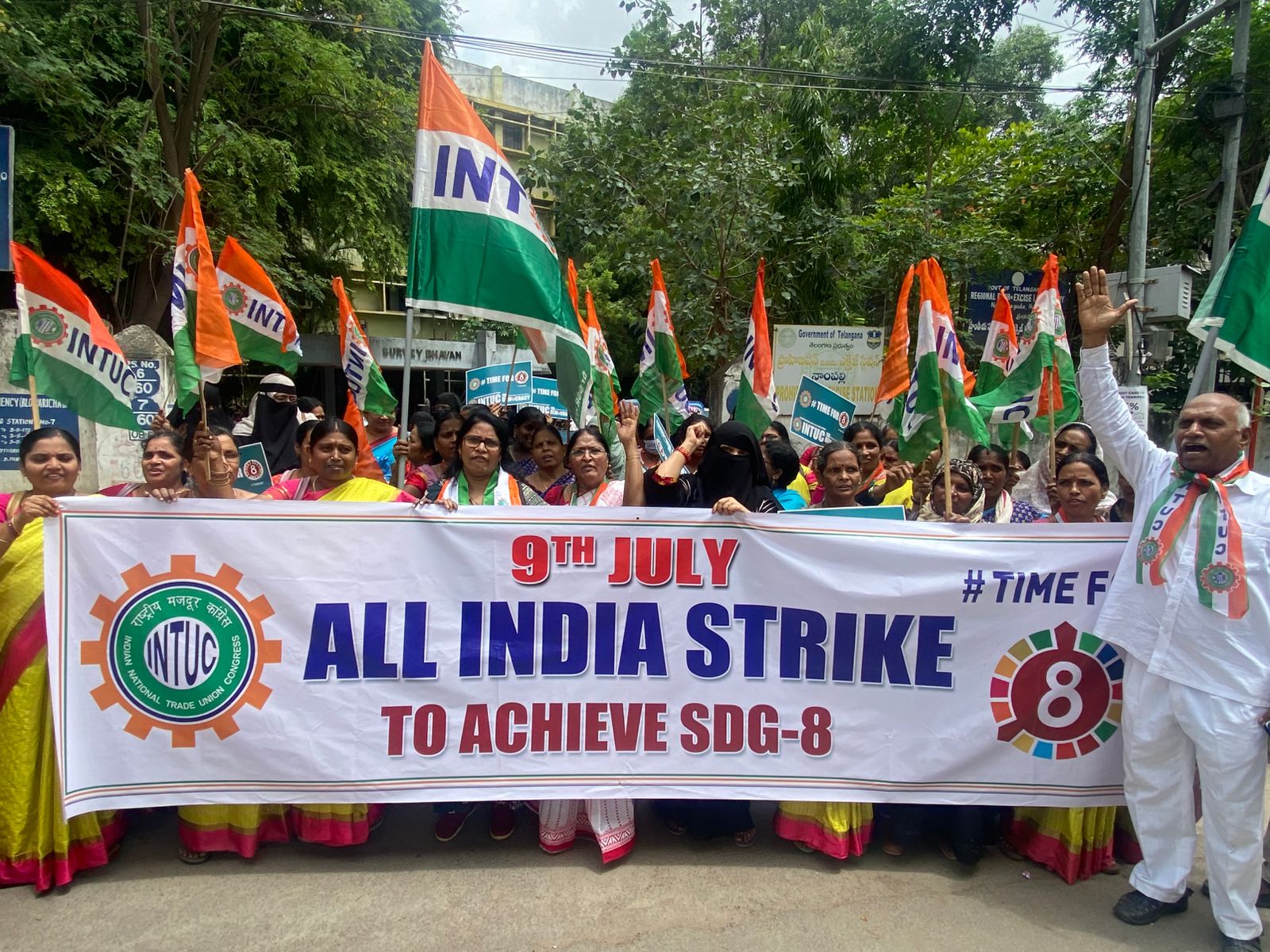
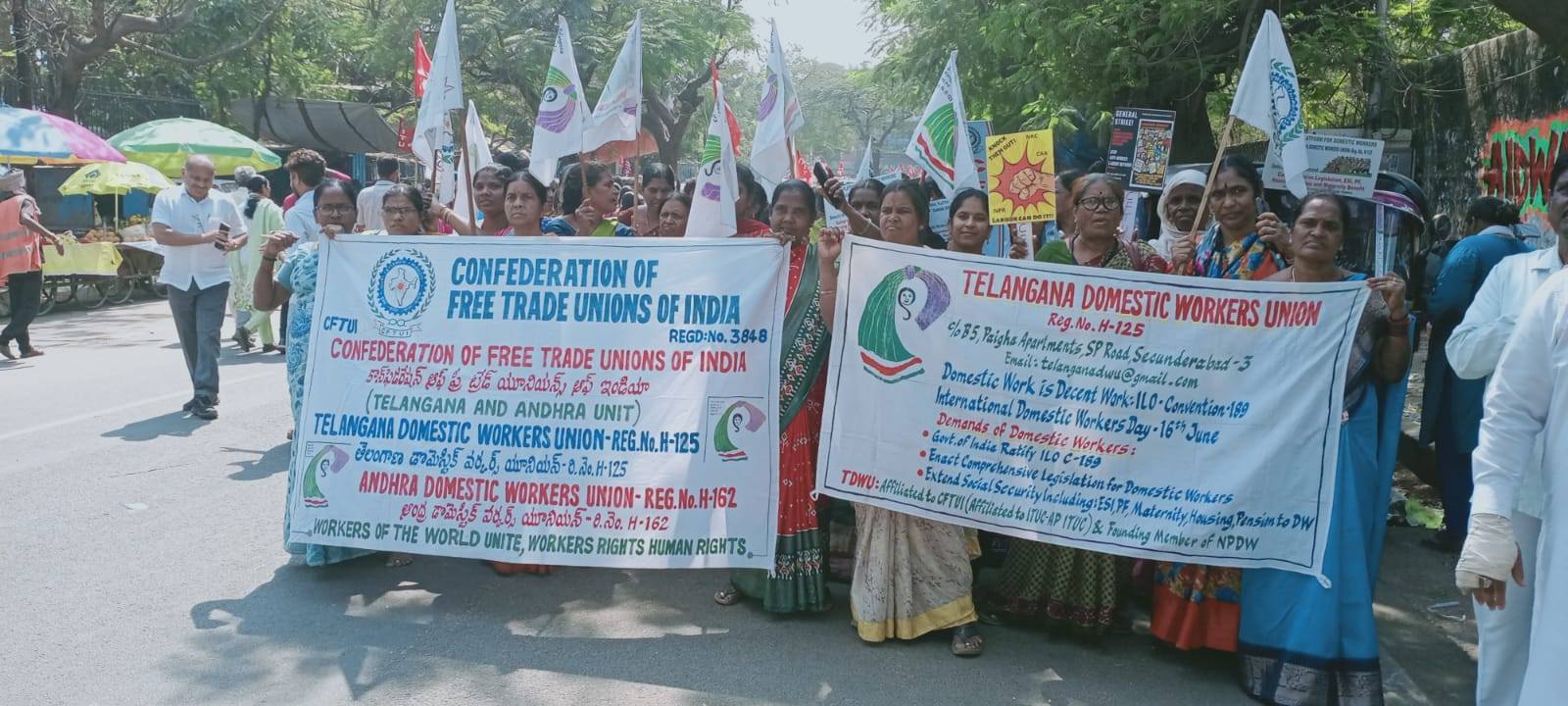
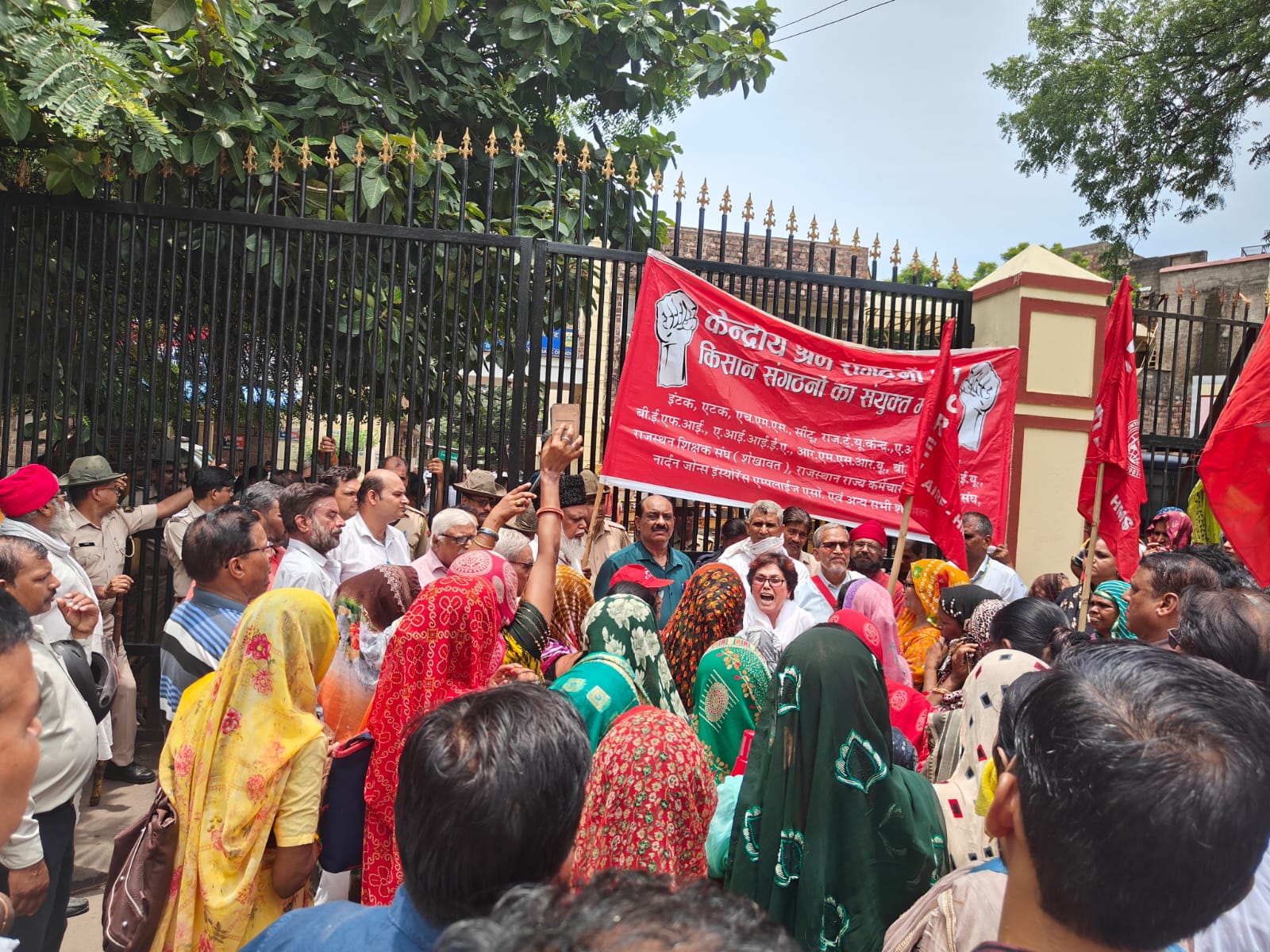
In India, the Indian National Trade Union Congress marked May Day by reaffirming workers’ solidarity and calling for fair wages, secure jobs, and dignity at work. Unions also raised concerns over the four Labour Codes, warning that these could weaken collective bargaining, job security, and workers’ rights.
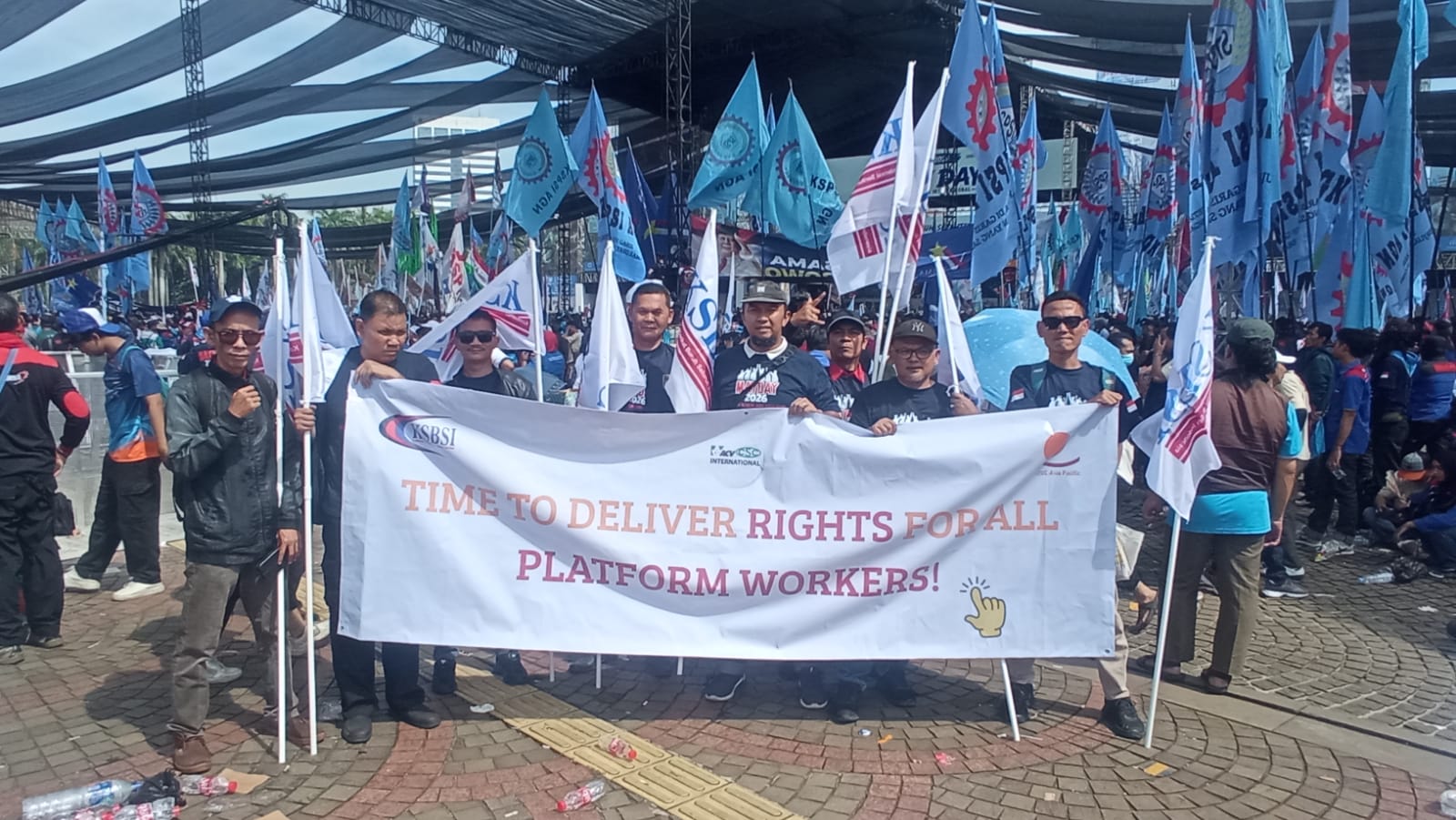
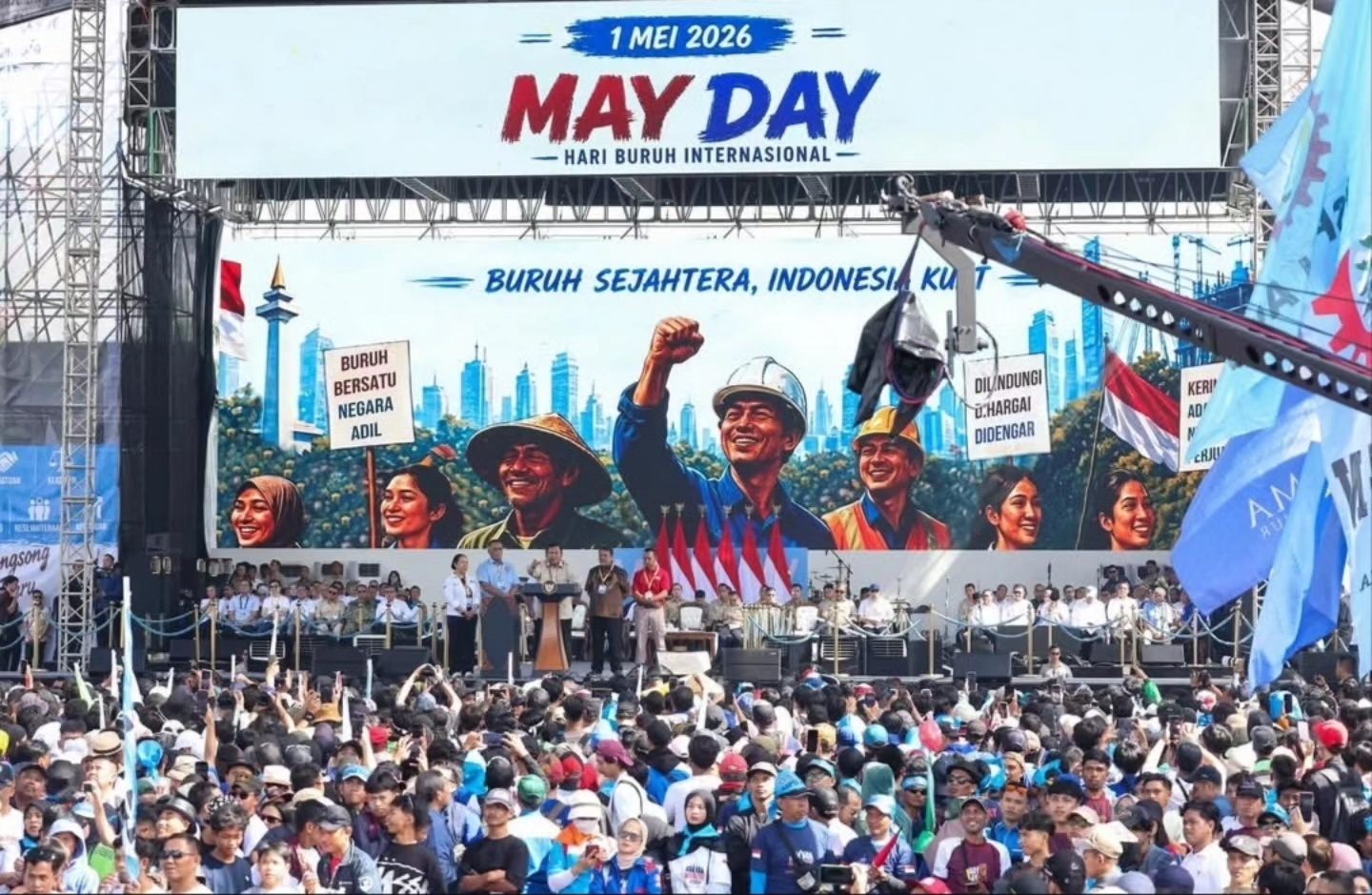
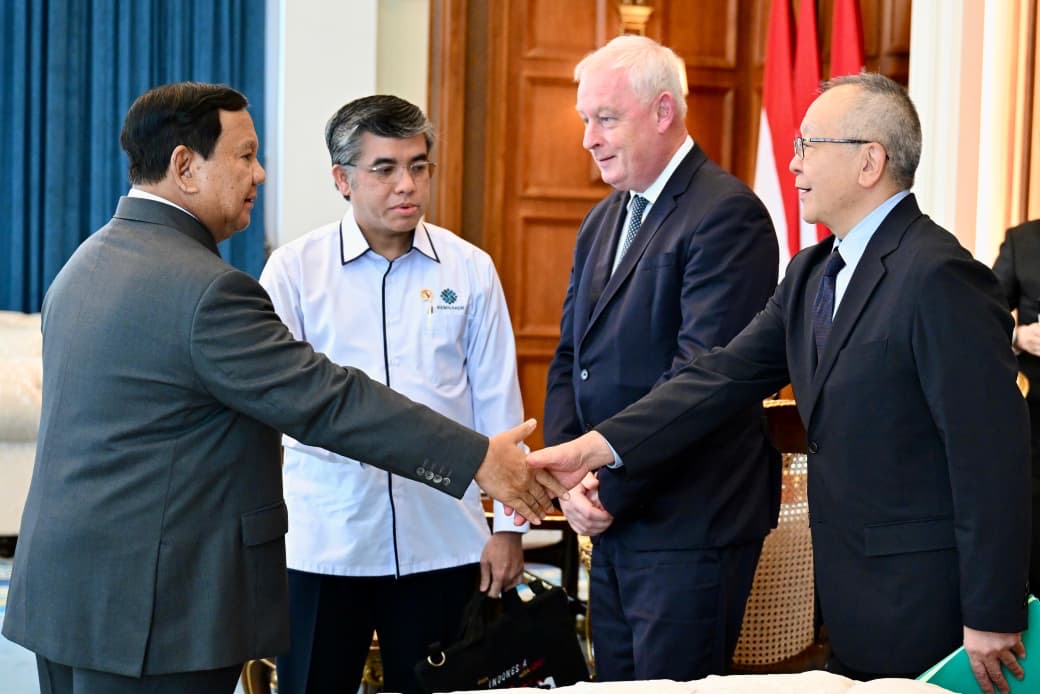
In Indonesia, May Day echoed from Monas, Jakarta, where workers brought their demands directly before the President. The mobilisation affirmed that workers are not a burden to the country, but a driving force of national development.
Platform workers also raised their call for recognition and protection, stressing that it is time to deliver rights to platform workers.
In Israel, May Day was maximised as an opportunity to amplify the issues faced by SAP software workers whose collective agreement was cancelled by the management. Backed by Histadrut, workers stressed that collective agreements are binding commitments that cannot simply be revoked by employers.

In Japan, 26,300 workers gathered at Yoyogi Park for the 97th Central May Day Rally. Trade unions reaffirmed their calls for wage increases and fair rules that protect working people.
The rally closed with a placard action calling for a world without war and a world built on peace.
In the Maldives, trade unions called for an immediate review and increase of the minimum wage, as well as the establishment of a living wage to guarantee fair pay for workers.
Unions also demanded the enforcement of laws on occupational safety and health and industrial relations, and called for action against employers and government offices that refuse to recognise unions.
Around 10,000 trade union members joined the “For Social Justice and Solidarity” march in Mongolia to bring workers’ demands to the government. Unions called for a fair society, real wage increases, and equal distribution of the country’s wealth.
The mobilisation also opposed public sector downsizing and urged the government to take immediate policy measures to protect workers’ rights and interests.
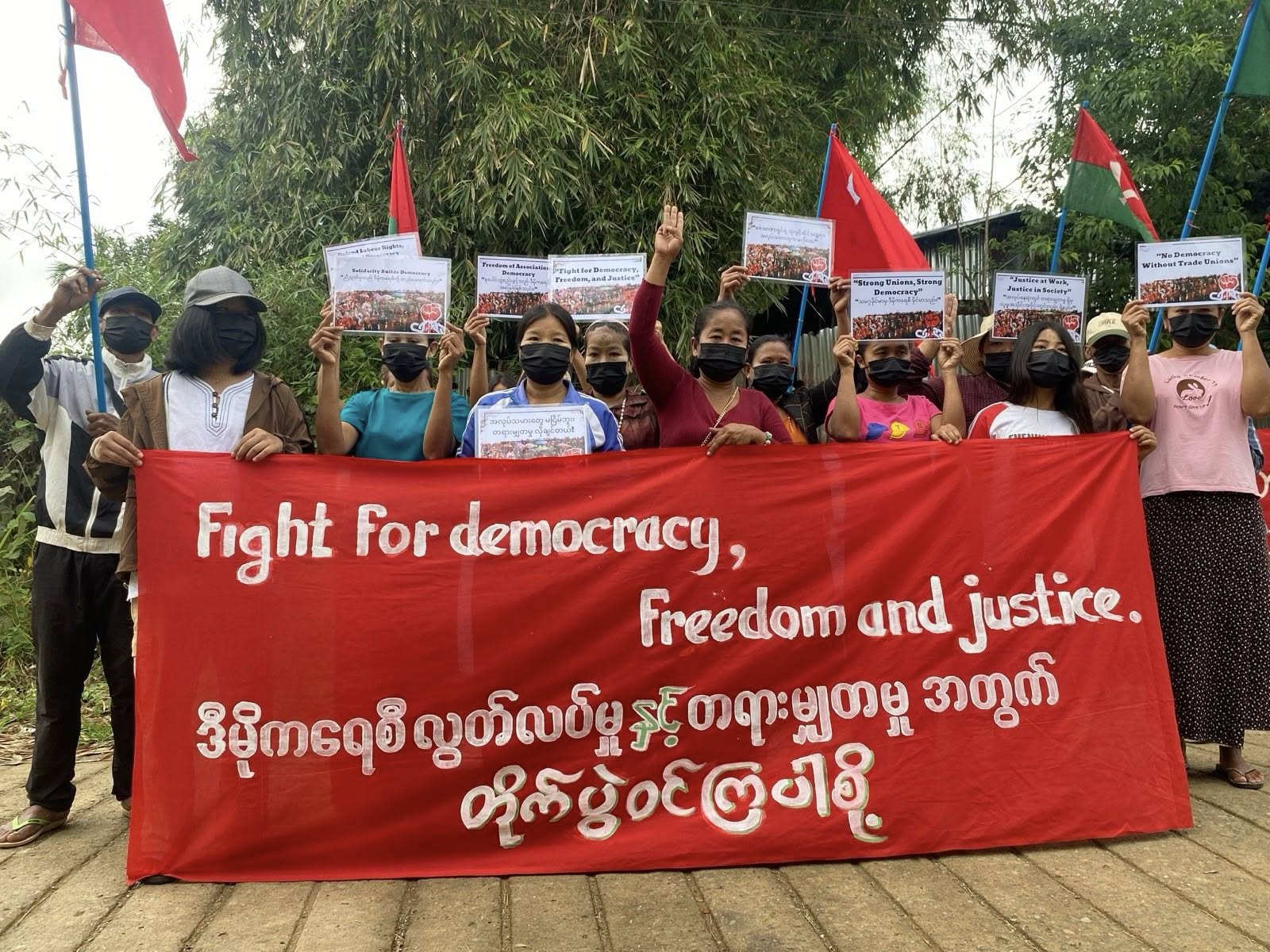
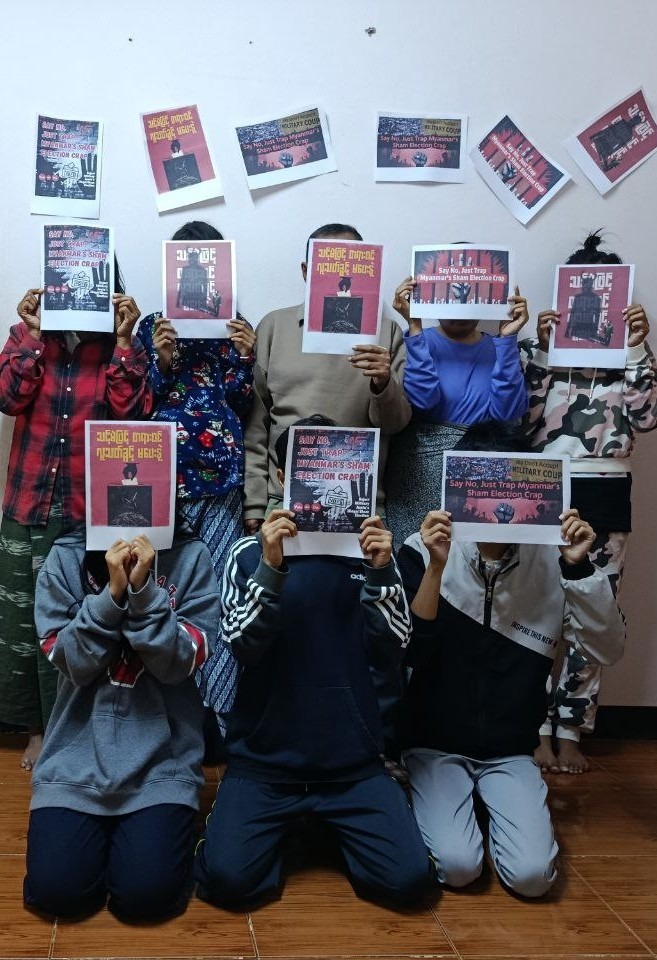
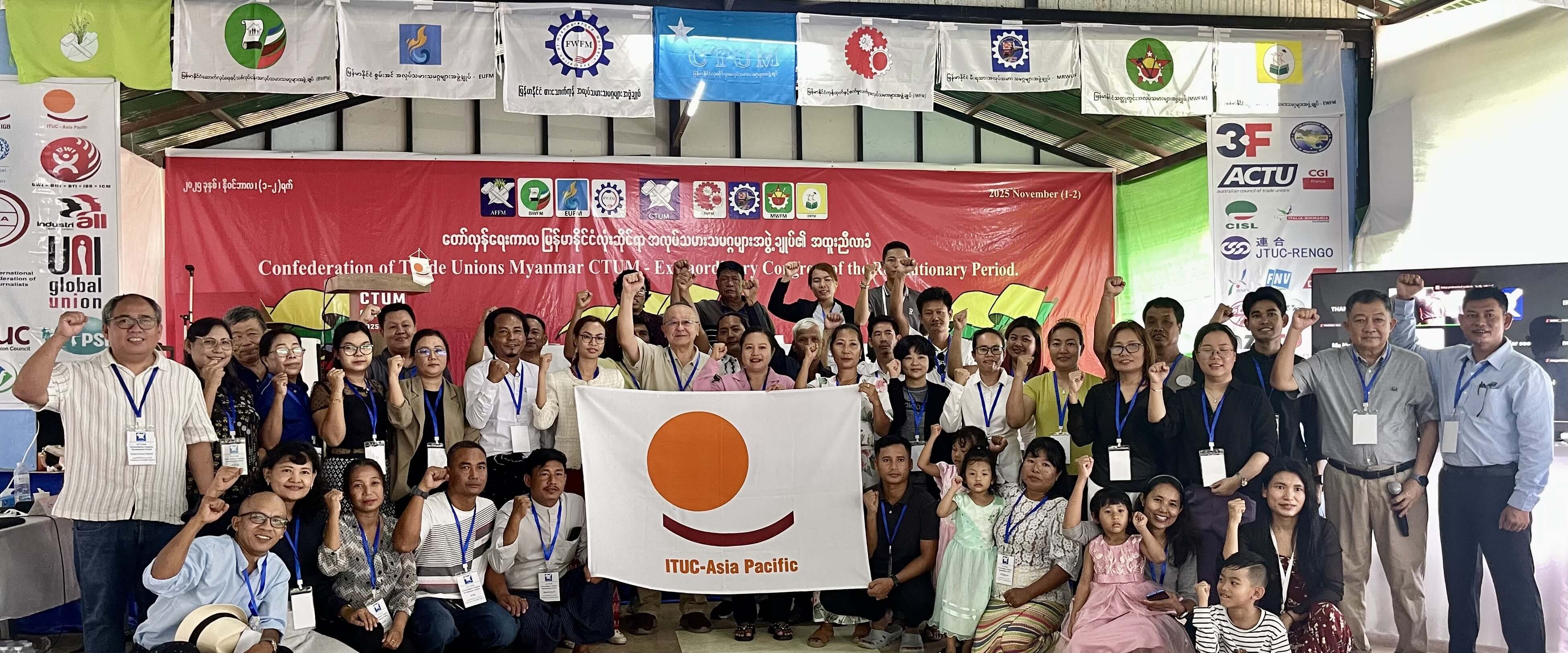
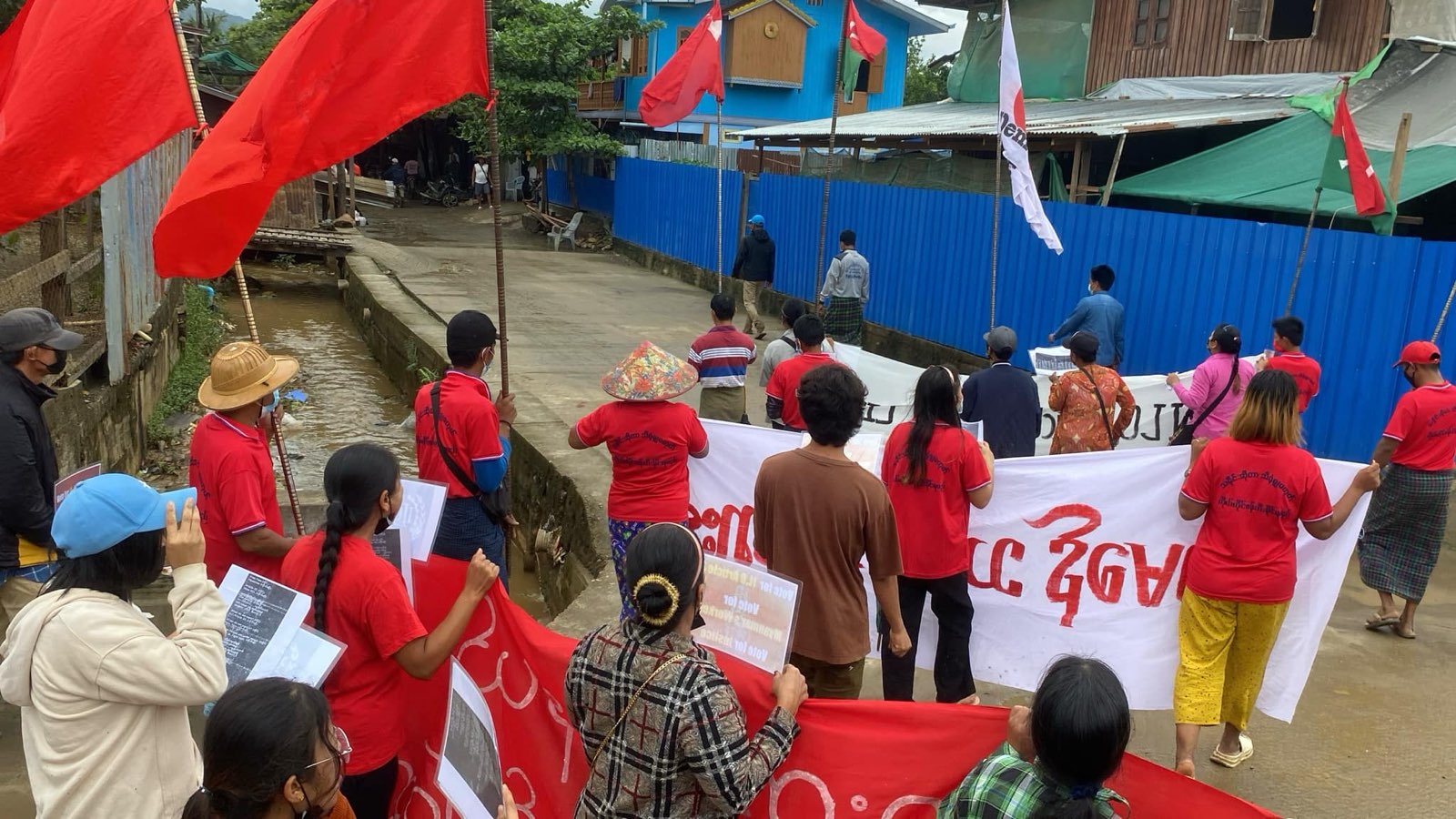
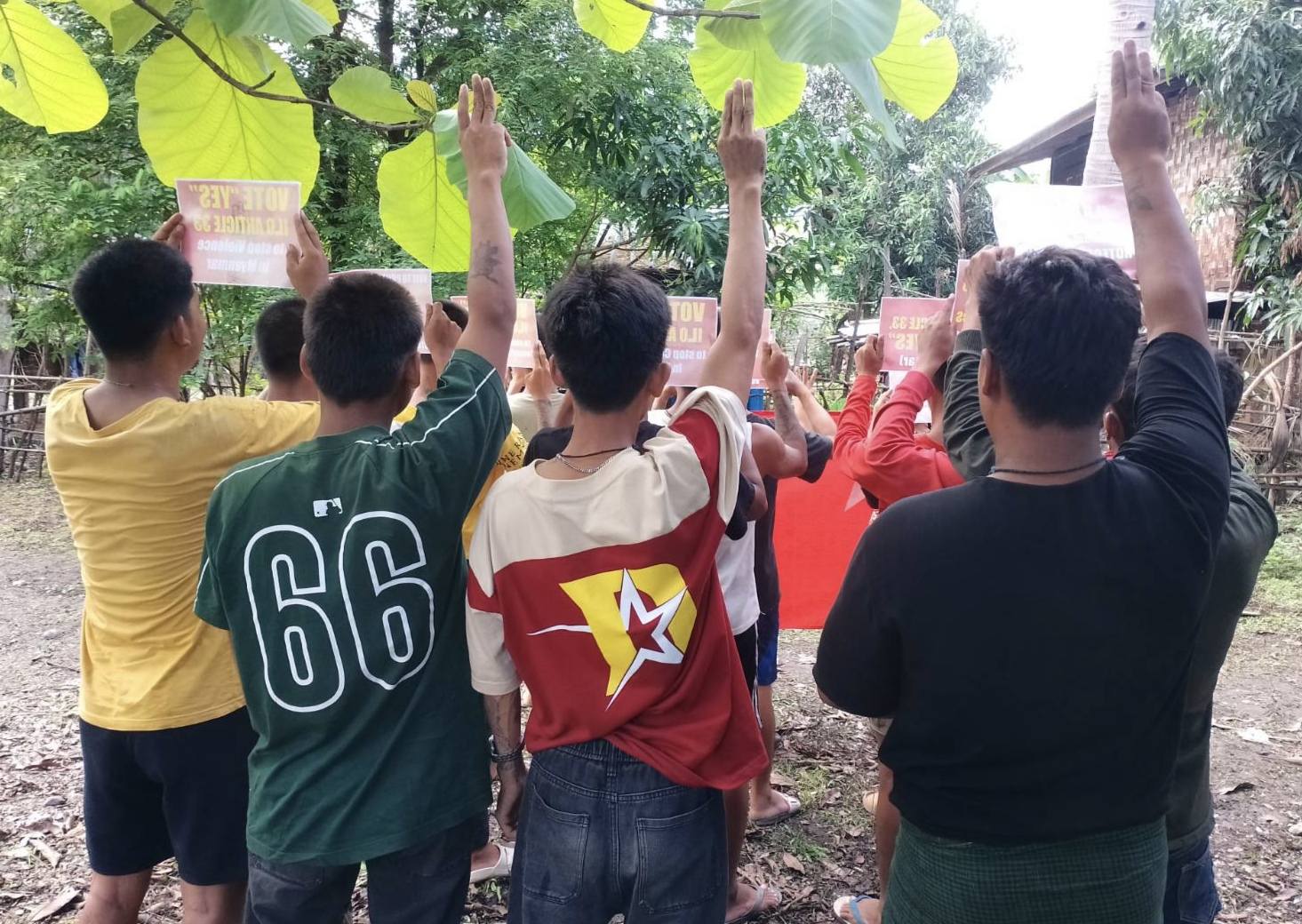
In Myanmar, CTUM marked International Workers’ Day under the theme, “Workers Arise, Stand Up, and Fight!” The celebration honoured the history of May Day while highlighting workers’ rights, solidarity, and the building of strong and resilient unions.
The event also emphasised the role of trade unions in the struggle for freedom, democracy, and justice, with joint protests, cultural performances, exhibitions, and a photo campaign.
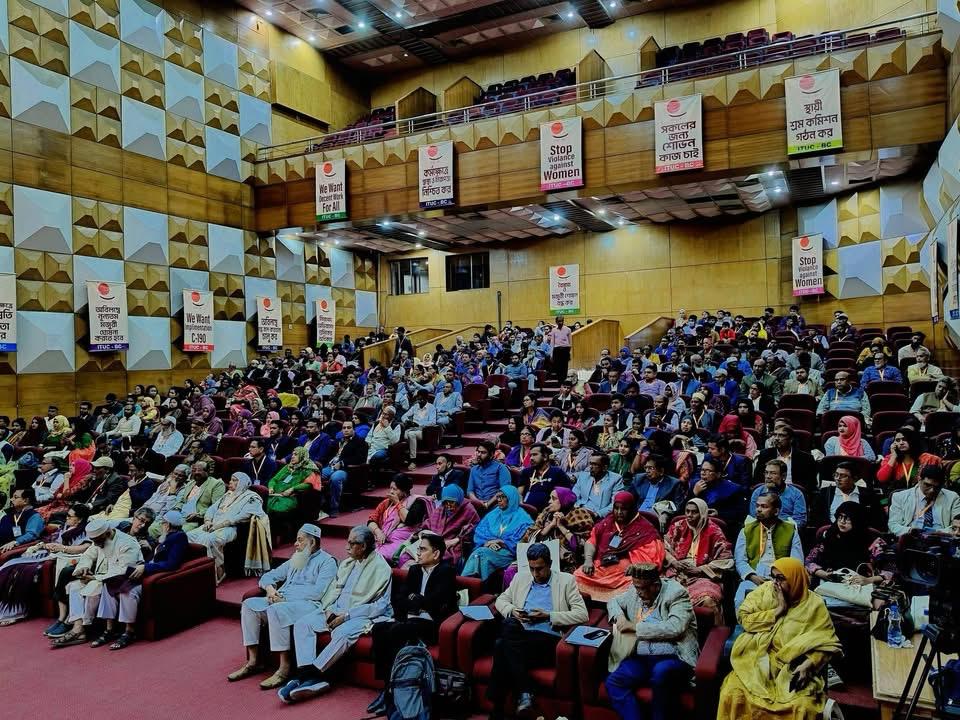
In Nepal, ITUC-Asia Pacific affiliates marked May Day through various activities and mobilisations across the country, raising workers’ demands for decent work, social protection, labour rights, and dignity for all working people.
In New Zealand, workers mobilised on May Day to “Fight Back Together” against anti-worker policies. Trade unions vowed to keep up the pressure in an election year to ensure that working people get what they are owed.
The Pakistan United Workers Federation organised a May Day workers’ gathering attended by thousands of workers and affiliated unions. The mobilisation raised issues on the Workers Welfare Fund, social security, job security, wages, and fundamental rights, while affirming the need for united action and effective social dialogue with the government.
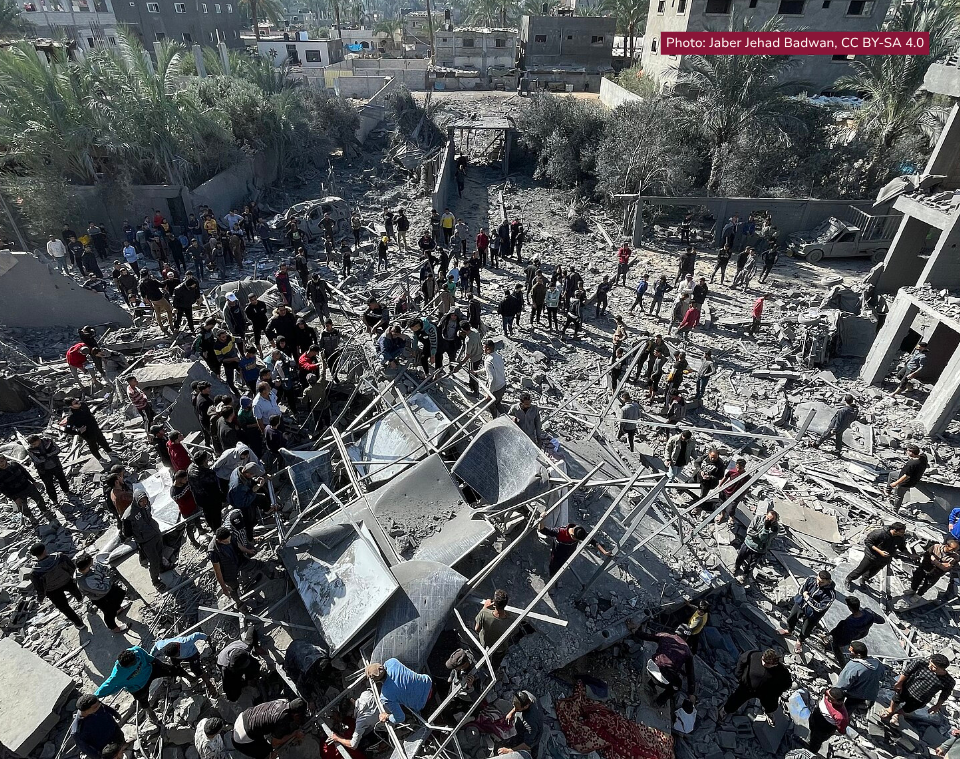
Amid the cancellation of May Day activities, Palestinian trade unions commemorated workers who lost their lives. Unions used the occasion to call for the protection of workers’ rights.
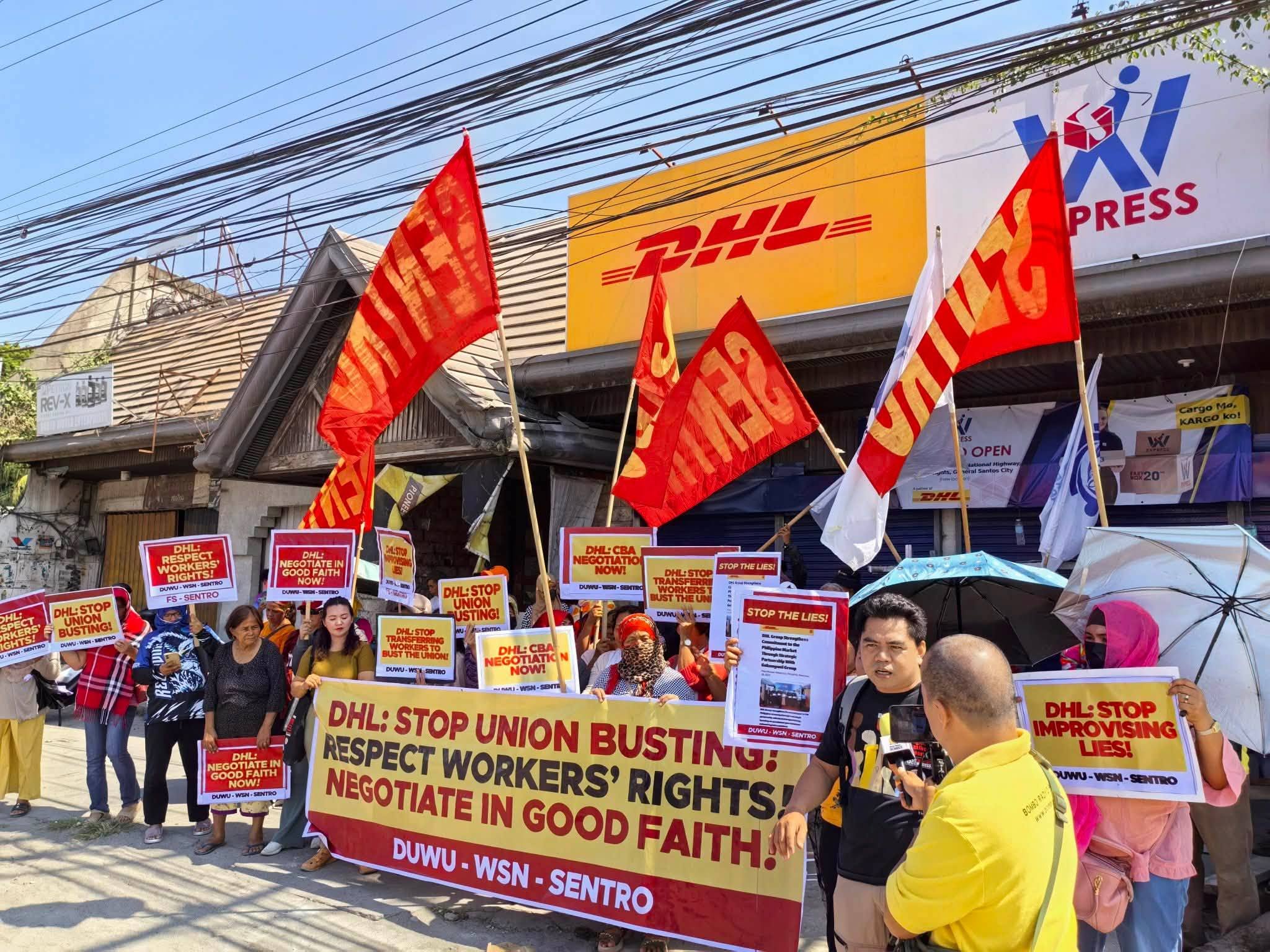
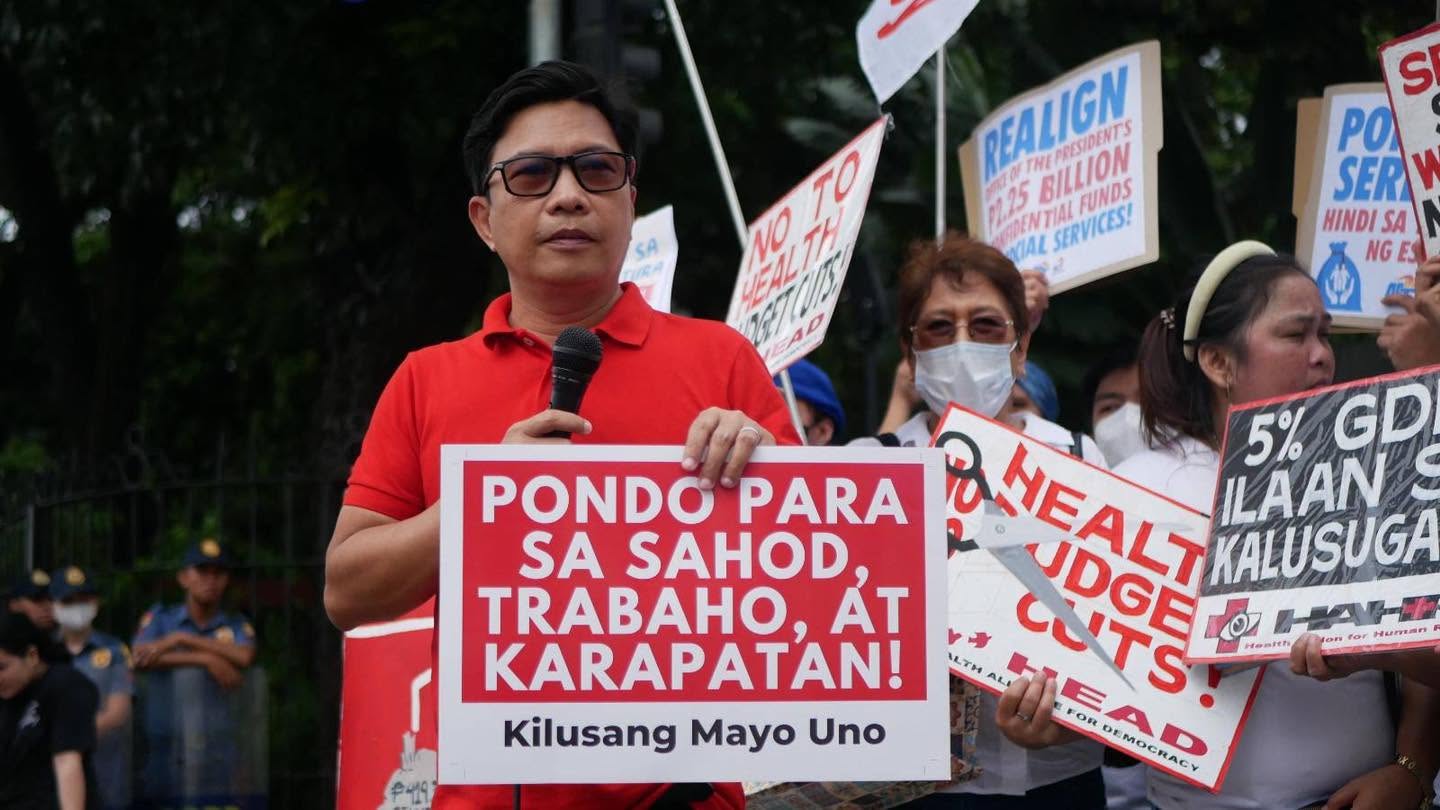
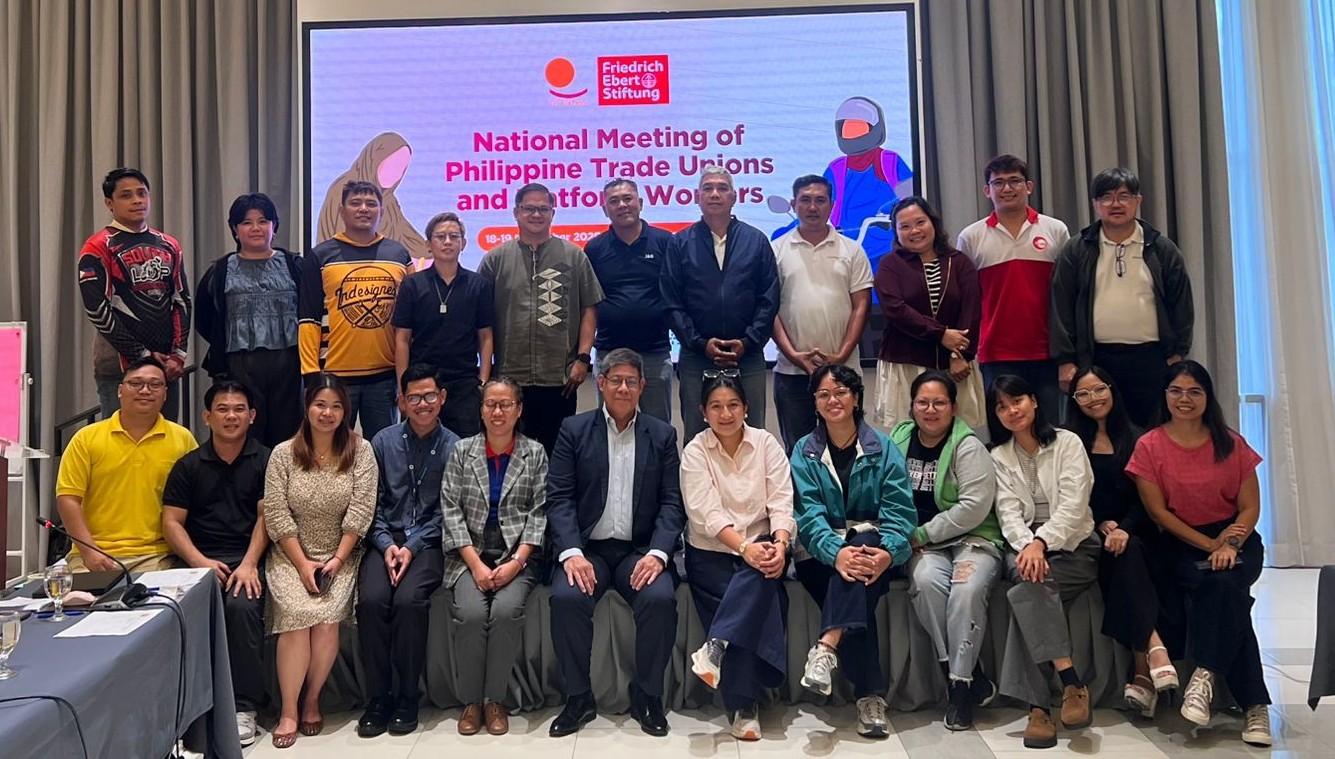
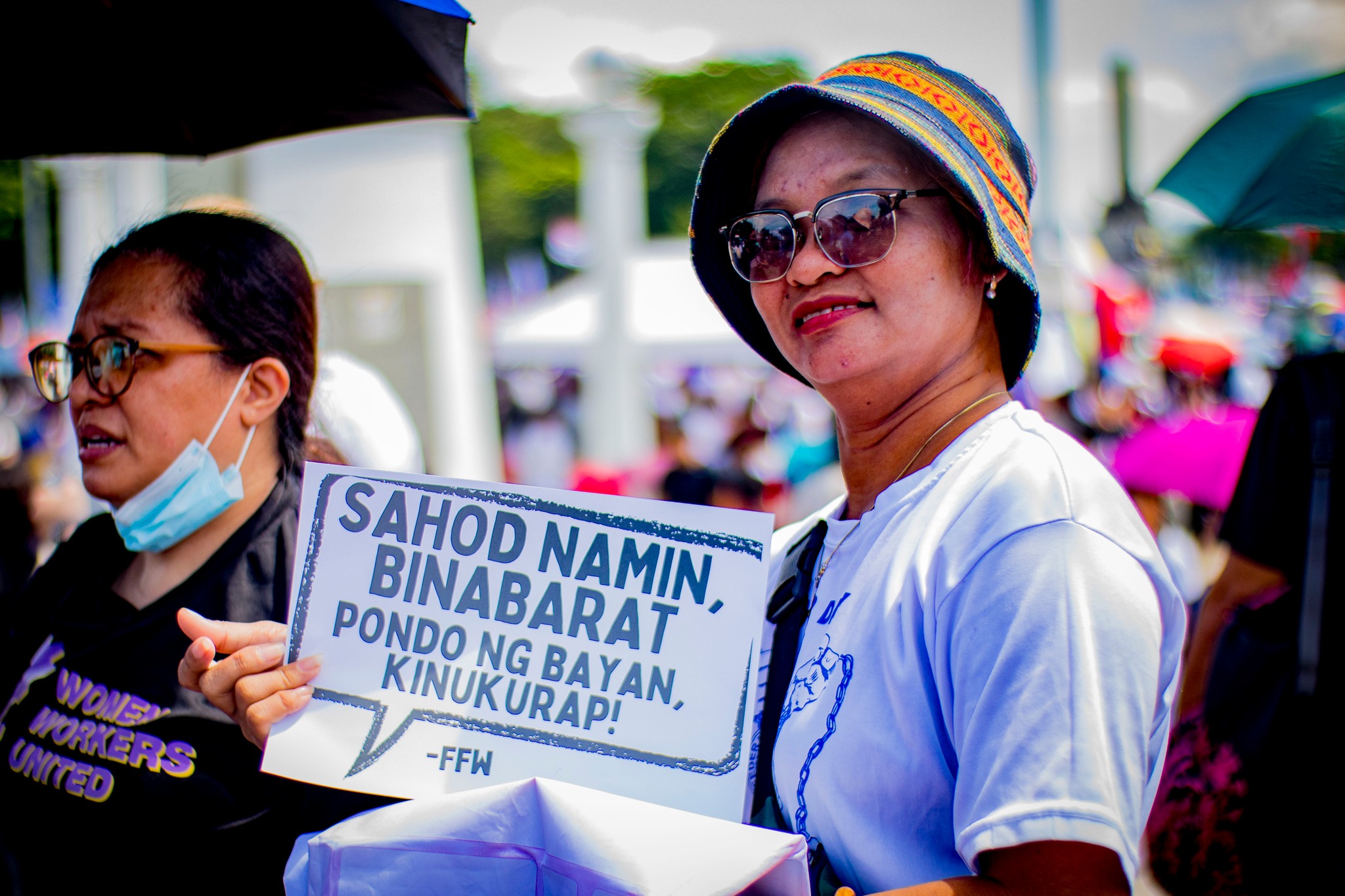
In the Philippines, trade unions marked Labor Day with the call to MagWELGA ang buong bansa! (The whole country must strike!), urging workers across the country to strike for higher wages, lower taxes on basic goods, affordable prices, taxes on excessive wealth and profits, and accountability for corruption.
Singapore NTUC May Day Rally brought together more than 1,600 union leaders and tripartite partners to celebrate workers and reaffirm that every worker matters. NTUC also announced the formation of the Tripartite Jobs Council with the Ministry of Manpower and the Singapore National Employers Federation to help workers and businesses navigate transitions and seize new opportunities.
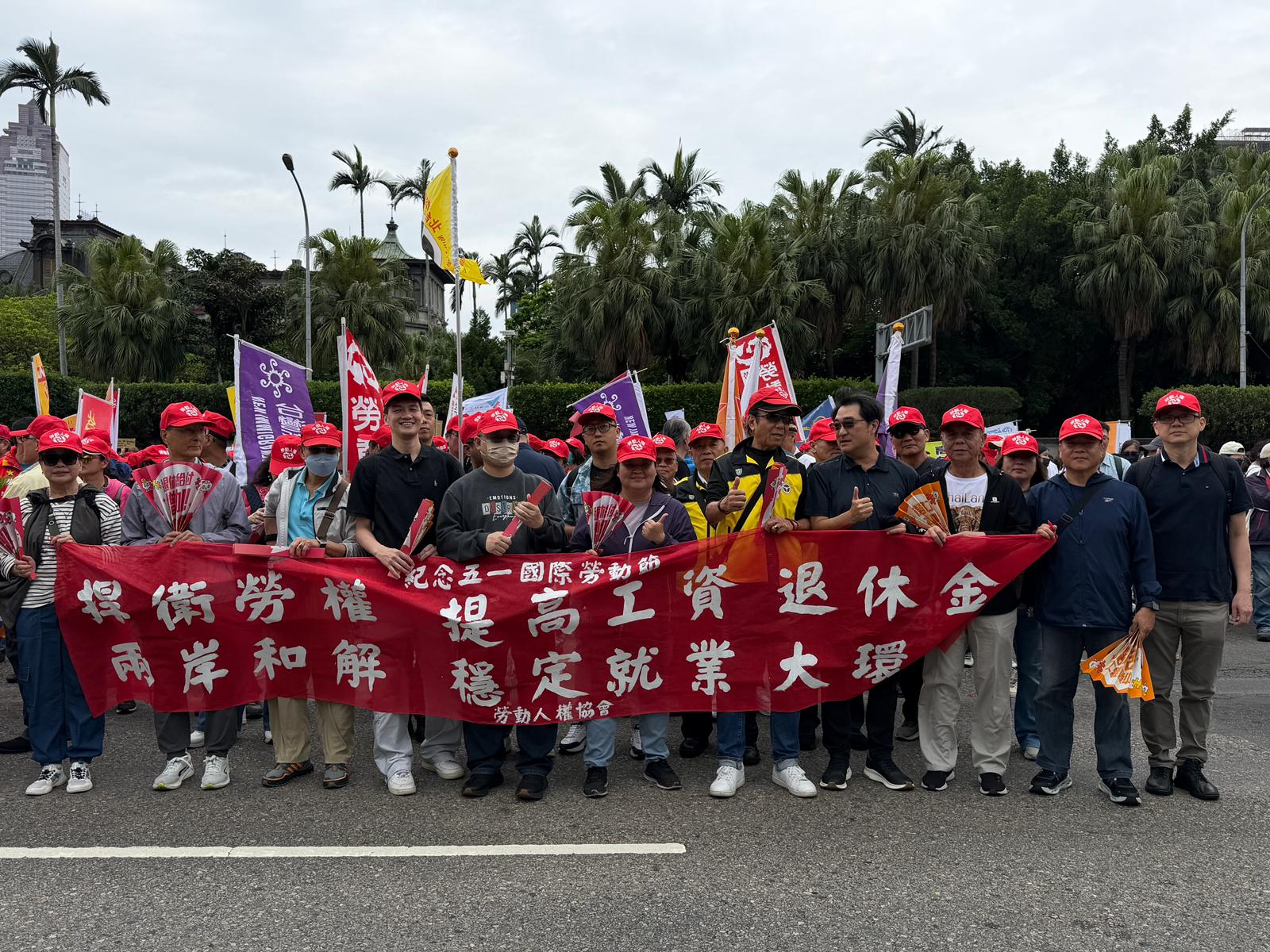
In Taiwan, the Chienese Federation of Labour (CFL) joined the May Day Action Alliance march to raise demands on retirement security, including higher labour pension contributions, reform of the old pension cap, and a stronger labour insurance system.
CFL also highlighted the need to protect workers’ rights amid AI and the platform economy, ensuring that technological progress supports a just transition with dignity at work.
Labour groups marched from the Democracy Monument to Government House to submit nine demands, including calls to address the energy crisis, ratify ILO conventions, raise the daily minimum wage to 712 baht, stop state enterprise privatisation, reform social security, end short-term employment practices, and tackle toxic air pollution.
They also called for a ban on asbestos, recognition of extreme heat as a public disaster with proper occupational safety and health protections, and a fair policy for migrant workers.
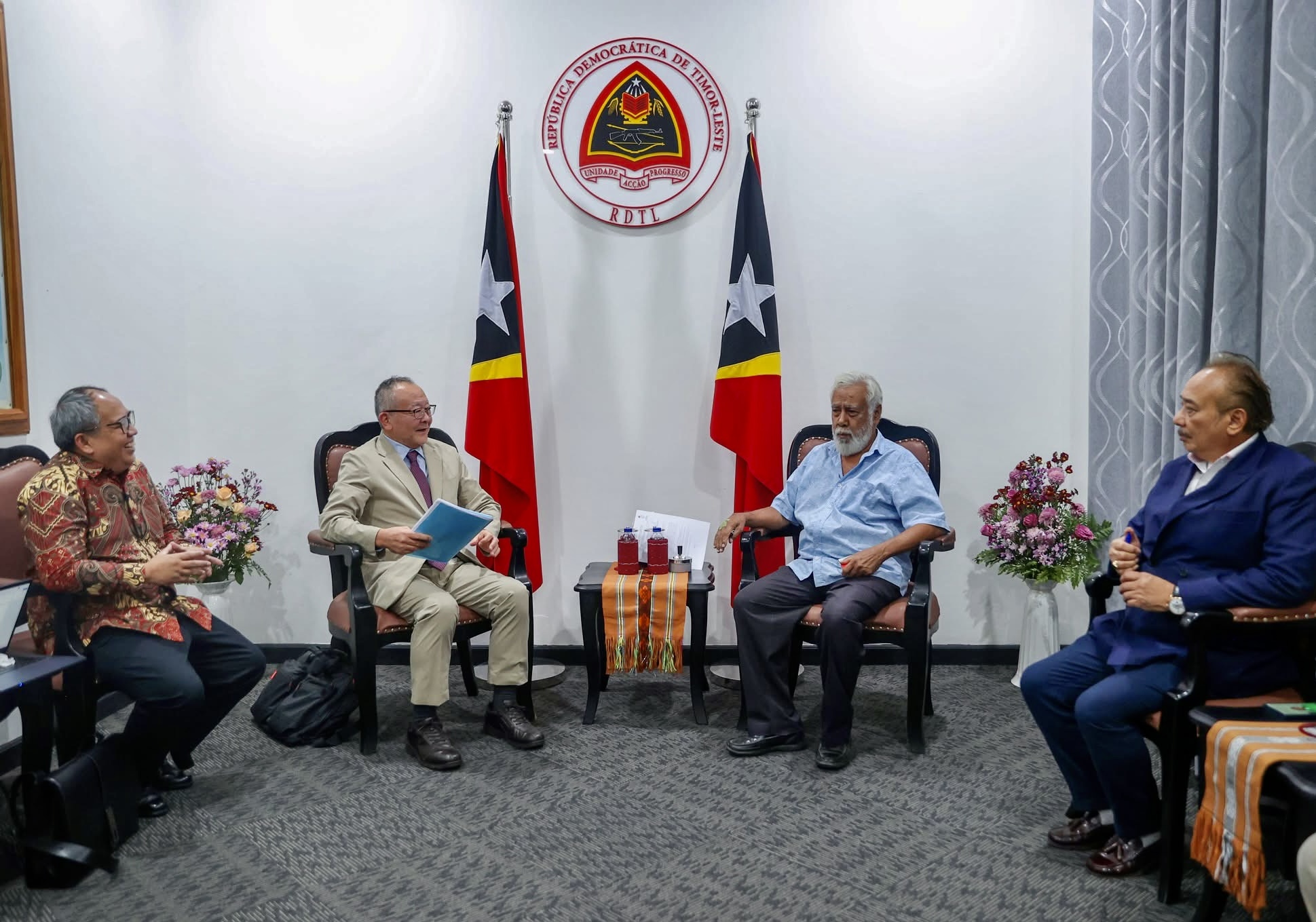
Members of Konfederasaun Sindikatu Timor-Leste (KSTL) marched from Bemori to the Government Palace to celebrate Labour Day 2026 under the theme, “Dignifying workers as new heroes of national development.” The mobilisation called for decent work, prosperity, and social justice.
May Day mobilisations in Turkey highlighted workers’ concerns over the worsening cost of living, falling purchasing power, income inequality, insecure work, and barriers to union organising. Trade unions demanded fair wages, stronger job security, better protection for workers in new and precarious forms of work, safe workplaces, and stronger respect for trade union rights.

.jpg)


.jpg)

.png)



.png)


.png)


%20(1).png)


.jpg)


.png)


.png)


%201.svg)


