


The Asia-Pacific region remains one of the world's most challenging environments for working people, maintaining its position as the second-worst region globally for workers' rights. According to the newly released 2026 International Trade Union Confederation (ITUC) Global Rights Index, the region’s average rating has stalled at a dismal 4.08, signalling that systematic labour rights violations persist.
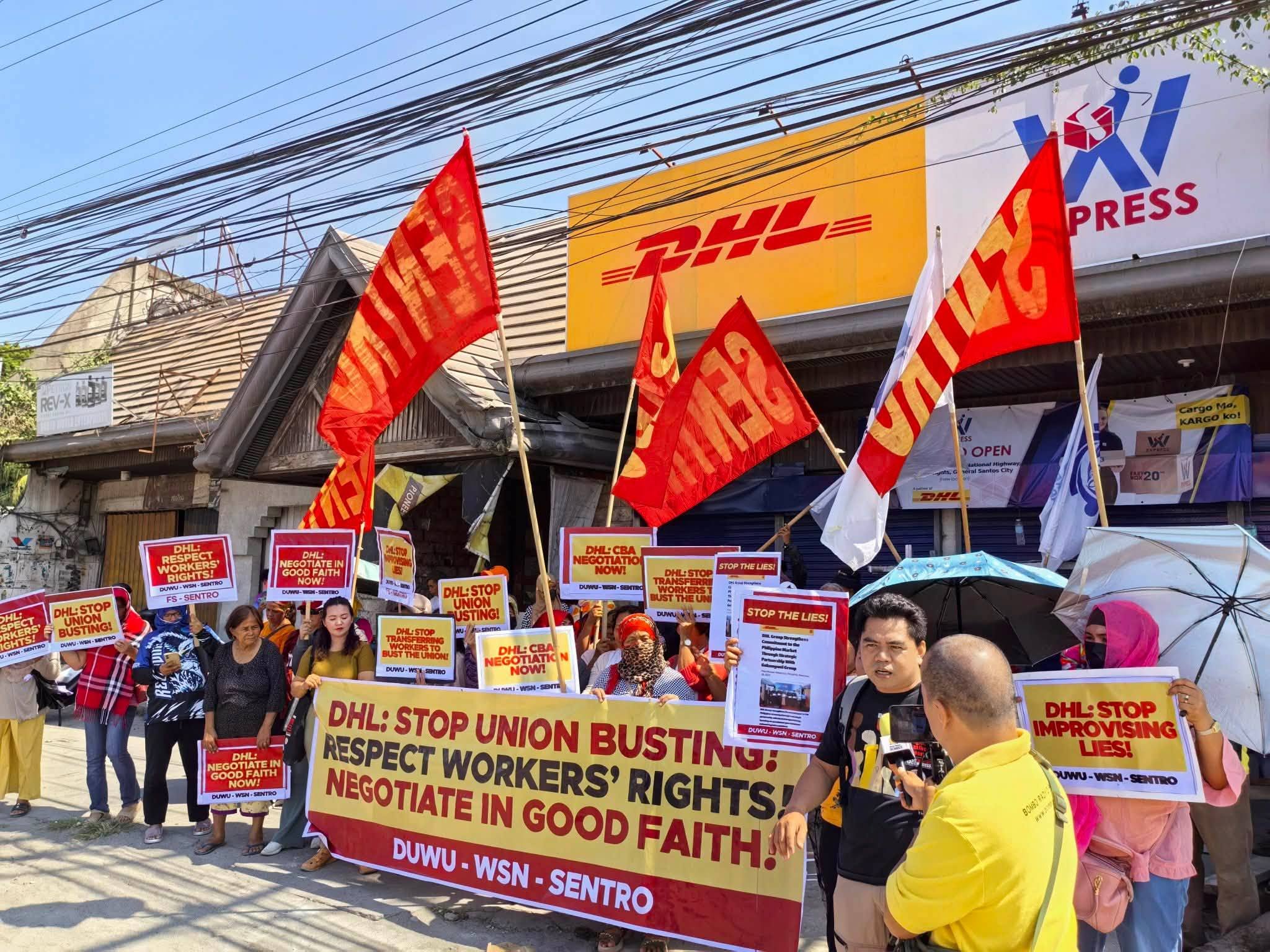
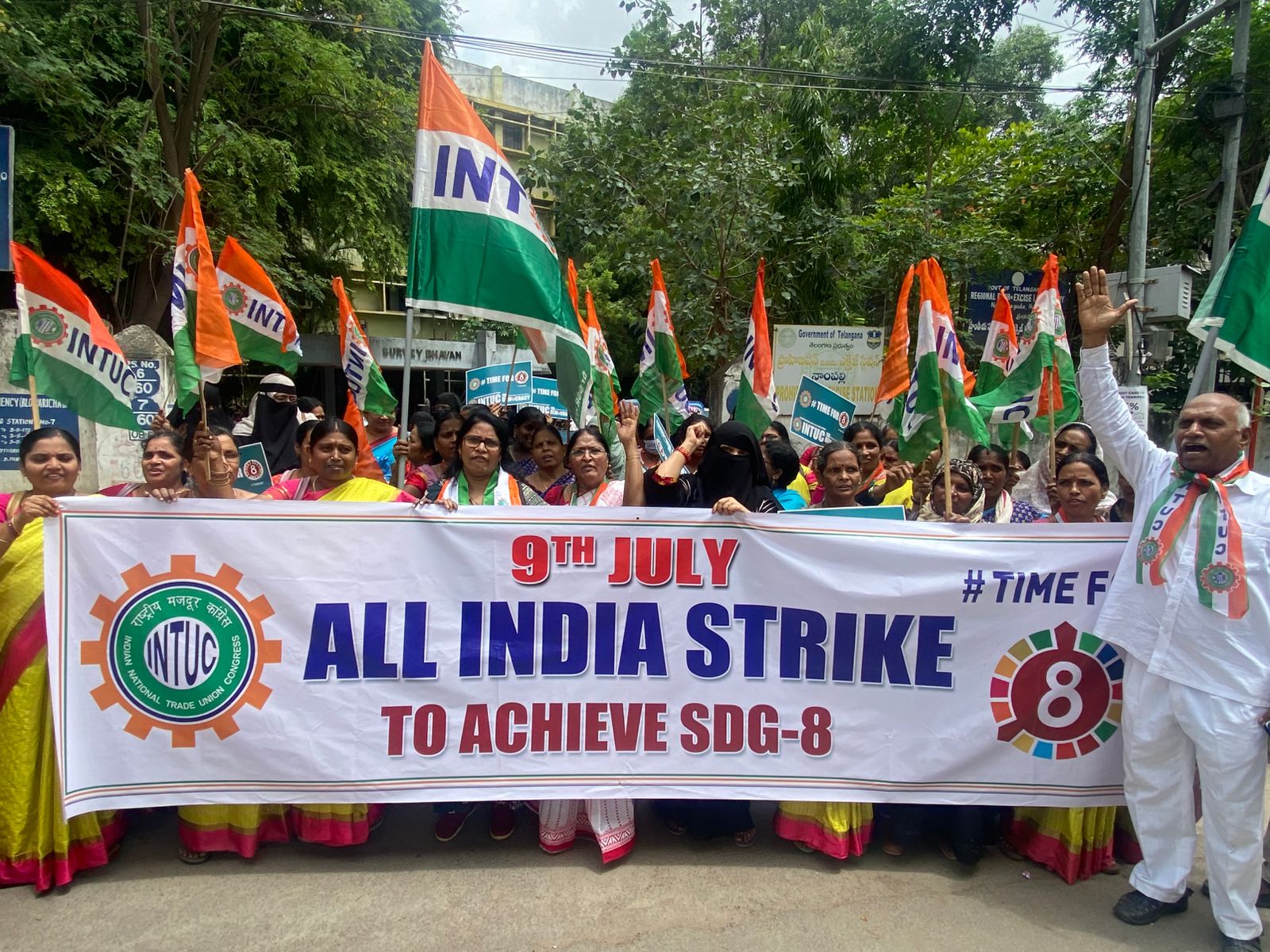
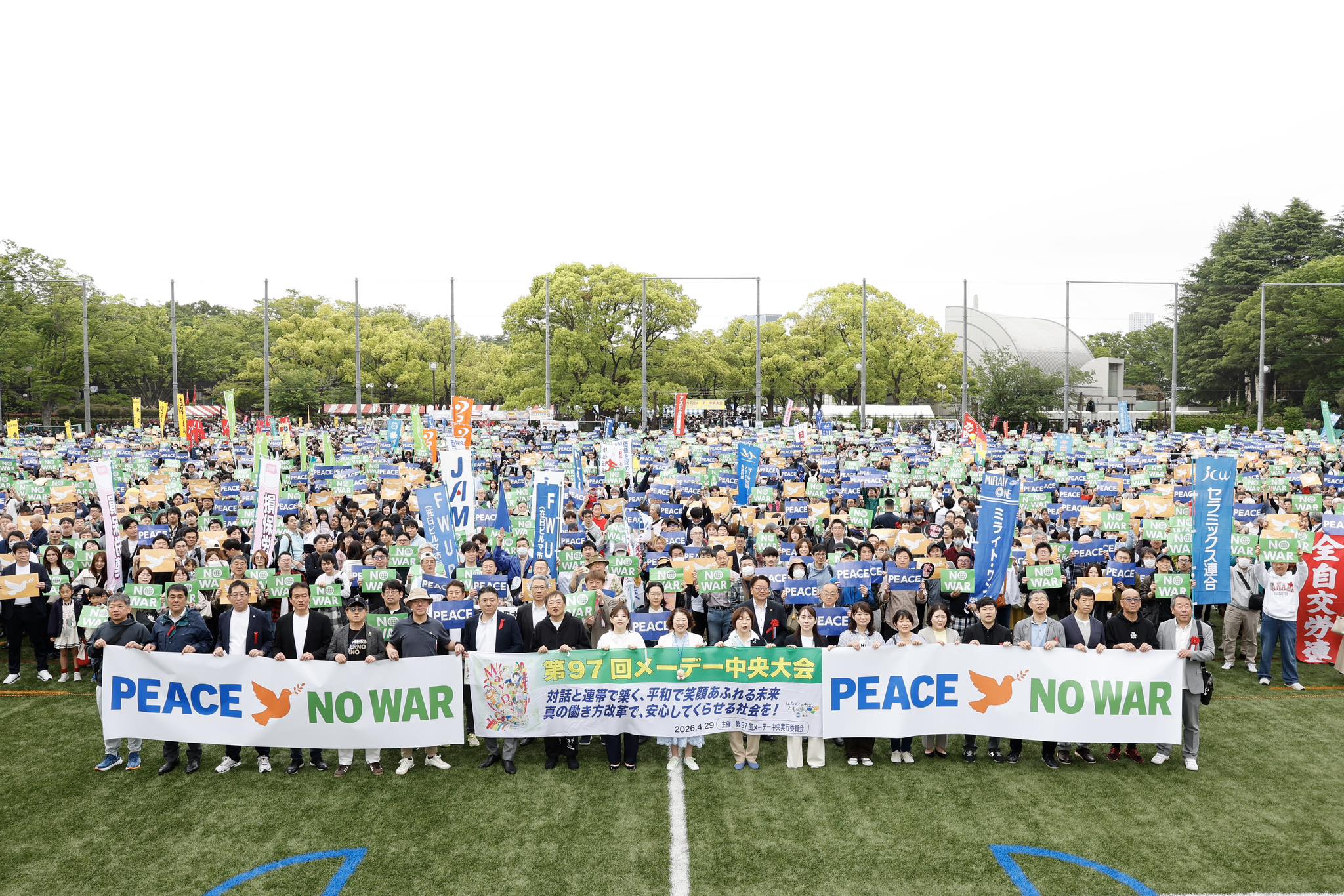
The 13th edition of the Global Rights Index paints a grim picture of the trade union landscape across Asia-Pacific, showing that approximately nine out of ten countries in the Asia-Pacific region violated the right to strike and actively impeded the registration of unions. The report also reveals an alarming increase in the number of countries that arbitrarily arrested and detained trade unionists – rising from 70% of the surveyed countries in 2025 to 78% in 2026.
The systematic dismantling of trade unions and workers’ democratic freedoms is widespread across the region. The index highlights that 87% of Asia-Pacific countries violated the right to establish and join a trade union, while 83% actively restricted the right to collective bargaining. Additionally, 69% of countries denied workers access to justice, while 65% restricted free speech and assembly.
Moreover, workers experienced violent attacks in 43% of the countries in the region. In Indonesia, workers were subjected to excessive use of force, threats, and harassment during strikes, protests and collective actions. This climate of violence is starkly illustrated by the killing of Affan Kurniawan, an online motorcycle taxi (ojol) driver, who was violently ran over by an armoured police vehicle during a public demonstration in Jakarta.
The 2026 Global Rights Index lists the ten worst countries in the world for working people. Of the ten, two are countries with ITUC-Asia Pacific membership, namely, Myanmar and Türkiye. The rest of the 10 include Argentina, Belarus, Ecuador, Egypt, Eswatini, Nigeria, Panama, and Tunisia.
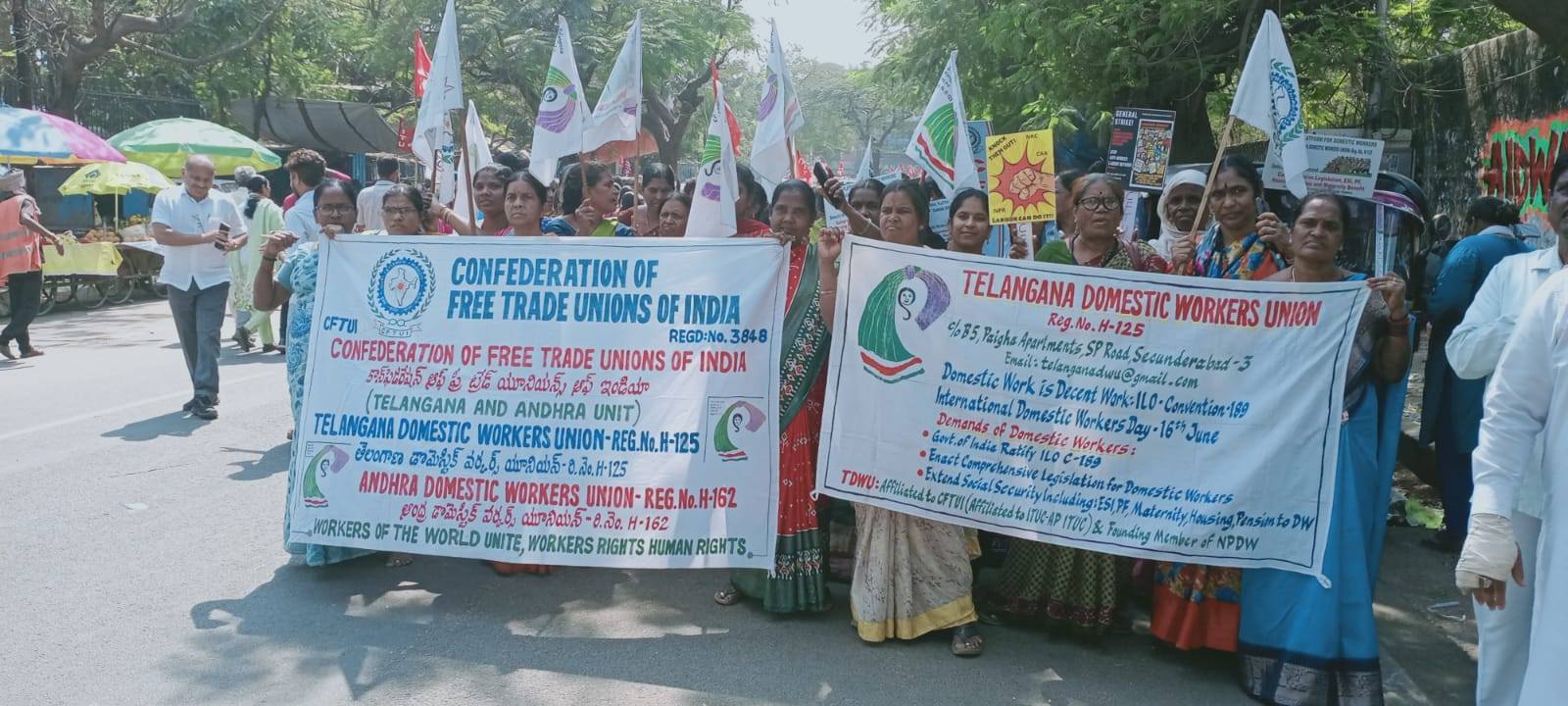
Bangladesh and the Philippines are no longer included in the ten worst countries after being in the list for several years. After the ouster of former Prime Minister Sheikh Hasina, the interim government introduced labour law reforms that reduce the restrictions to trade union formation and extend social protection and trade union rights to vulnerable sectors, including domestic workers, agricultural workers, and shipbreaking workers.
While the Philippines moved out of the top 10 list, it remains in the watchlist – countries that are at risk of ratings downgrade when no meaningful, positive changes are made by governments and employers.
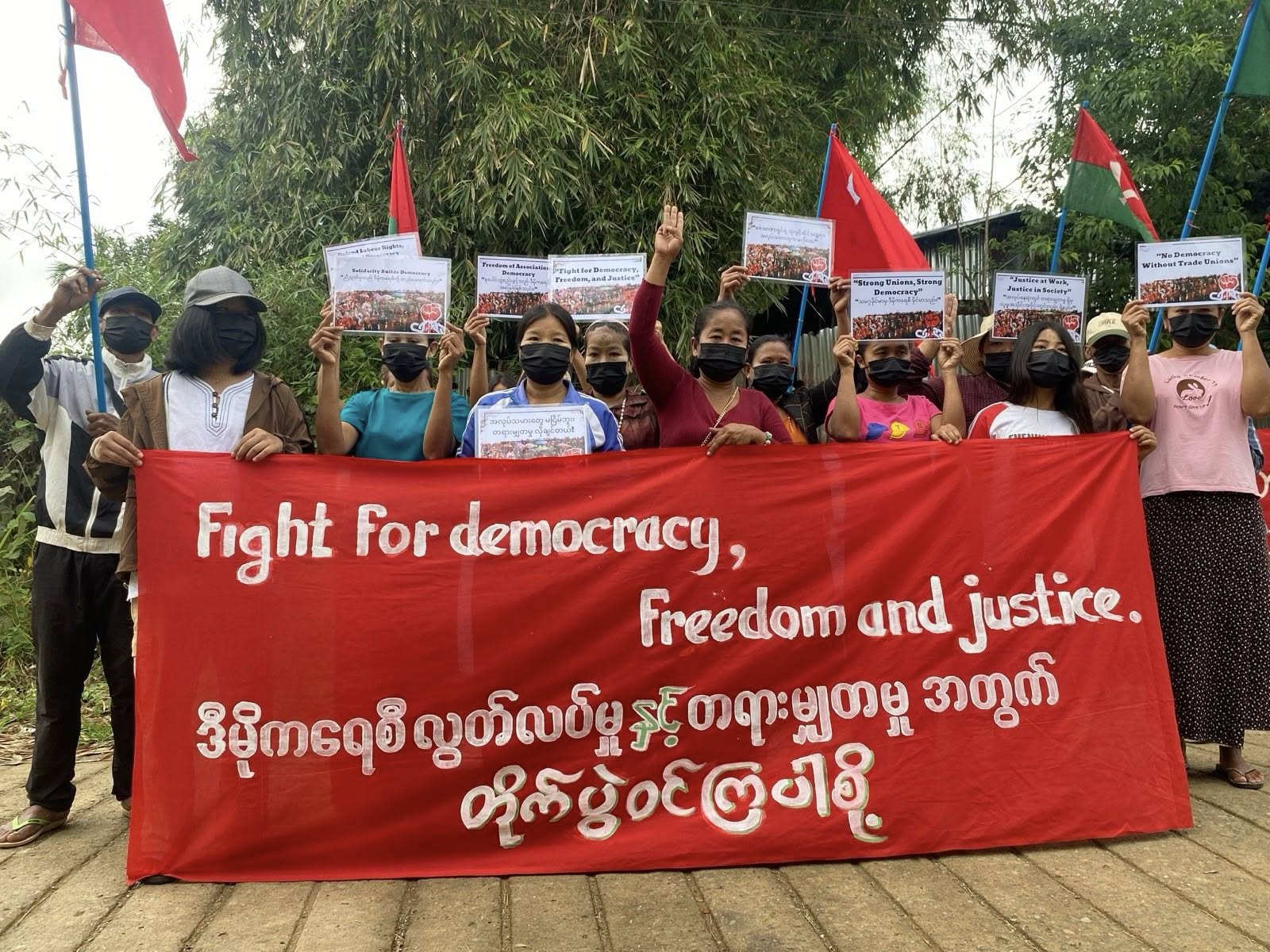
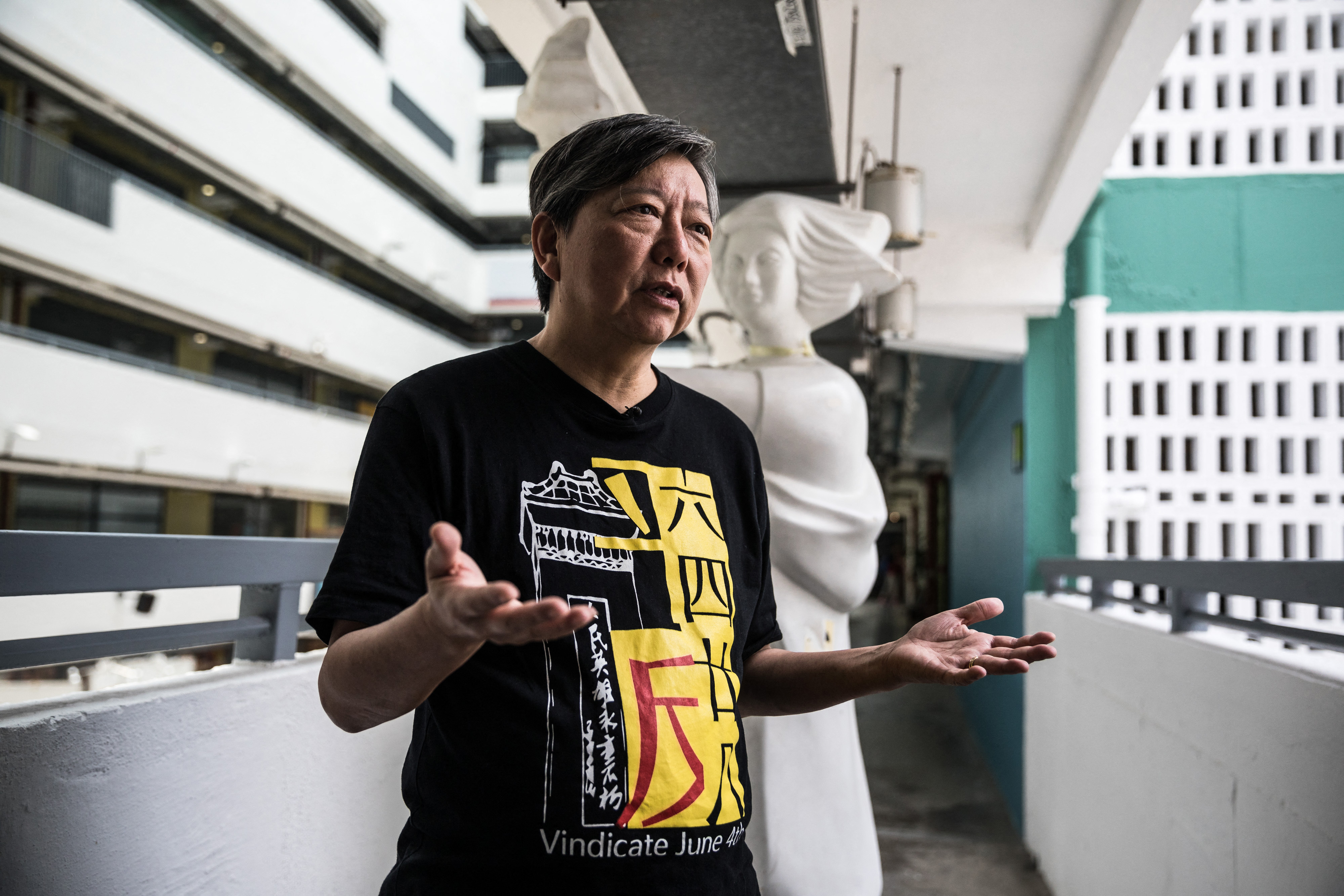
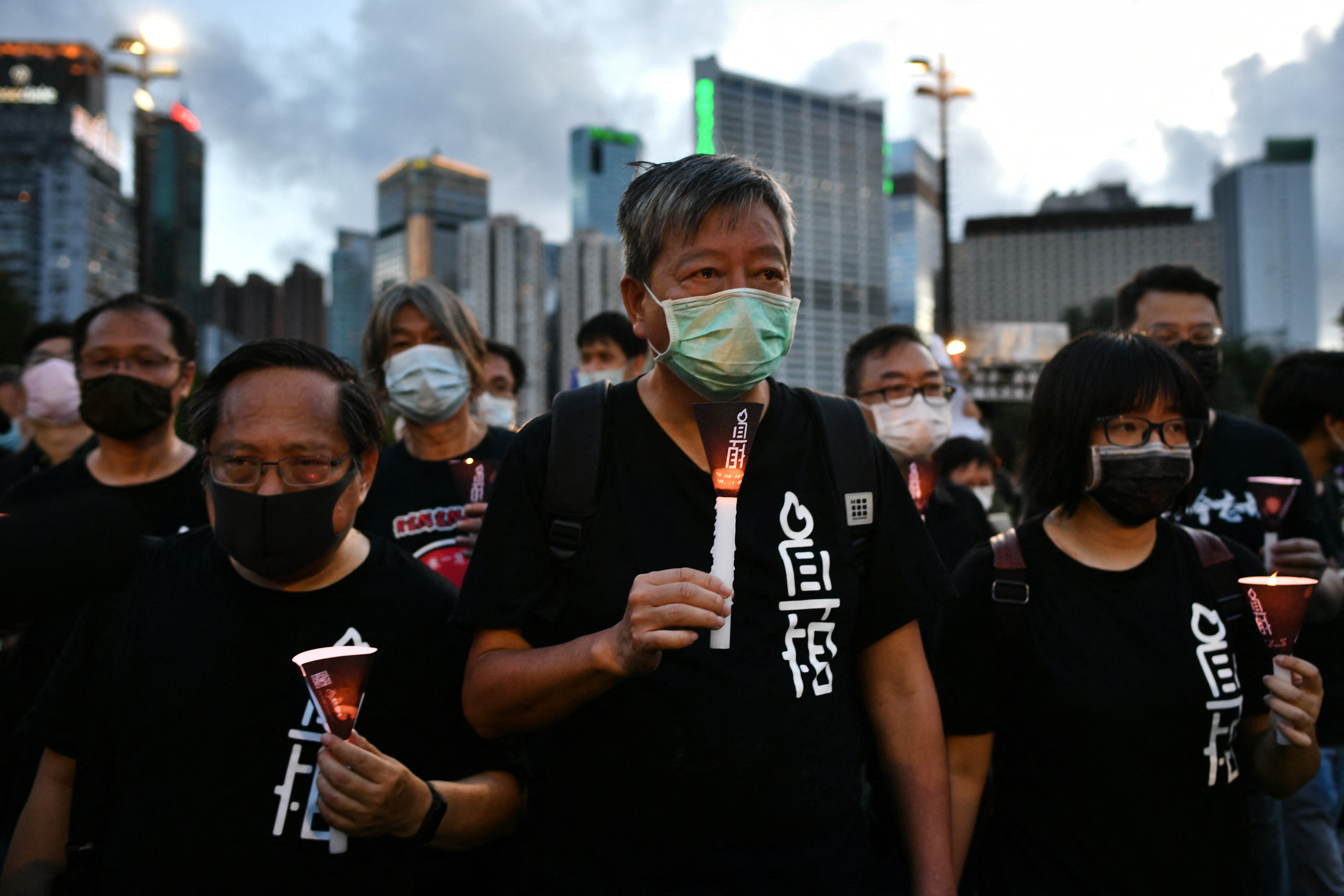
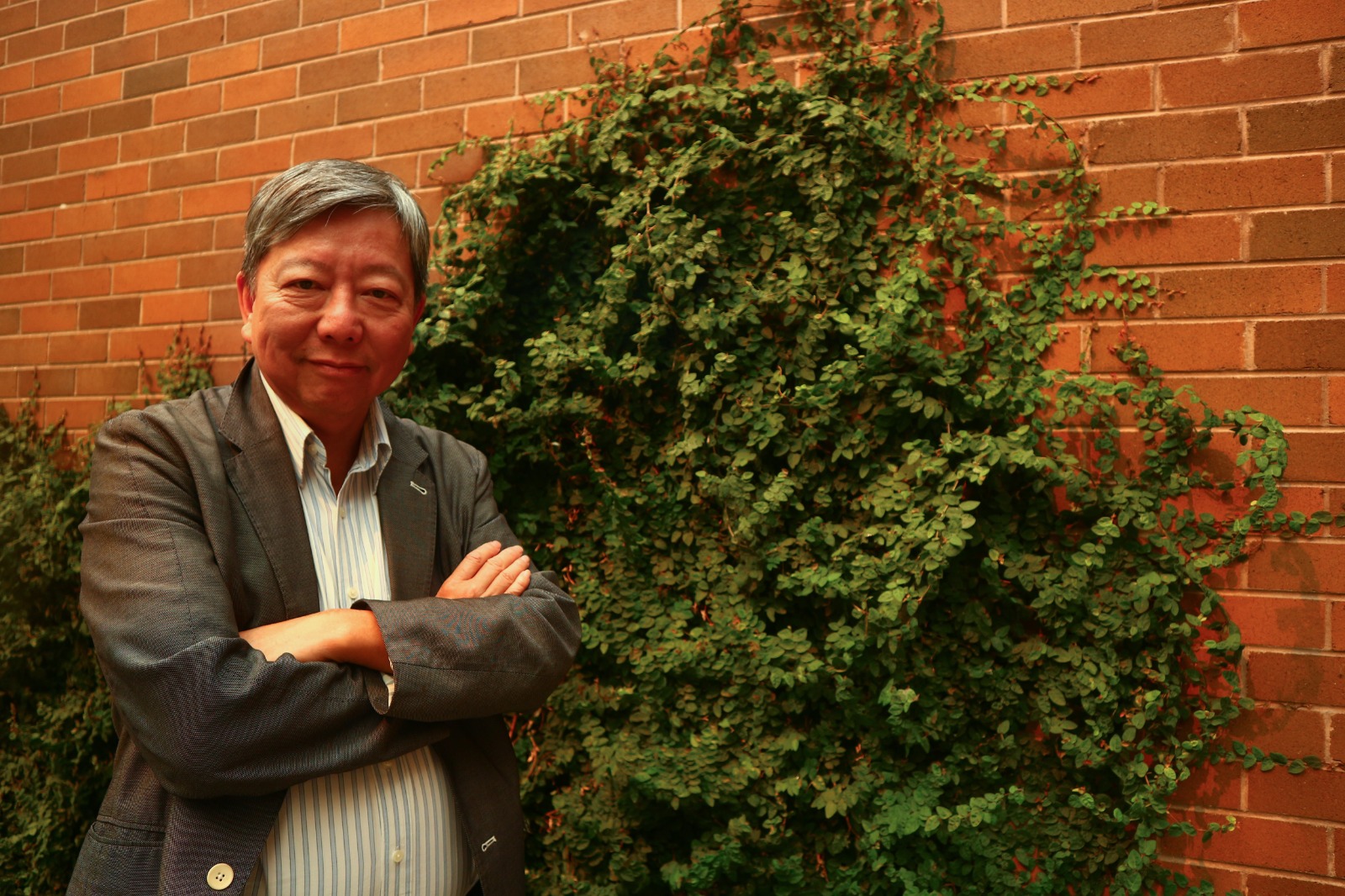
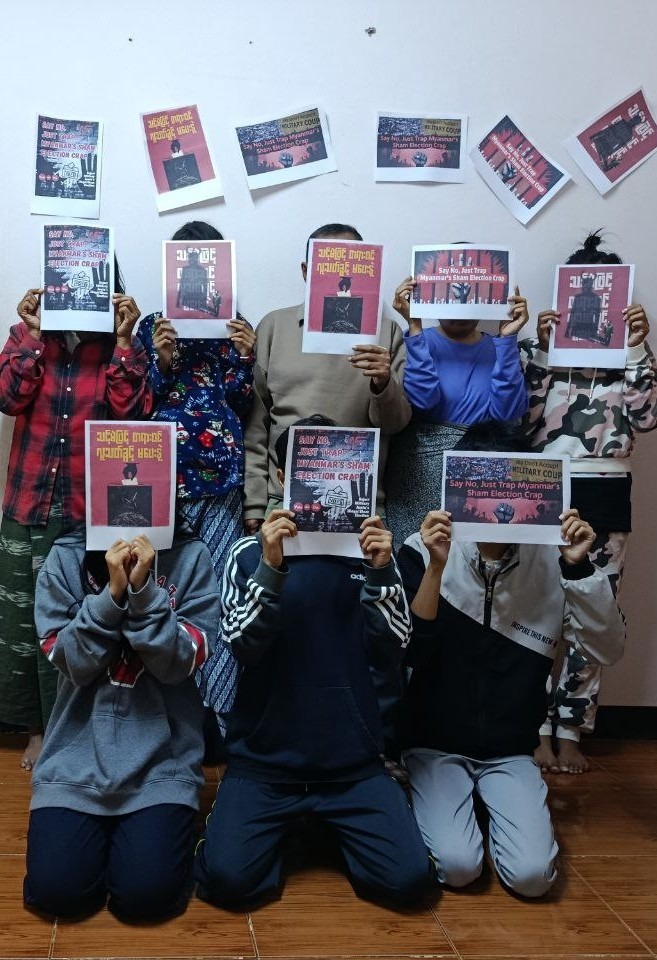
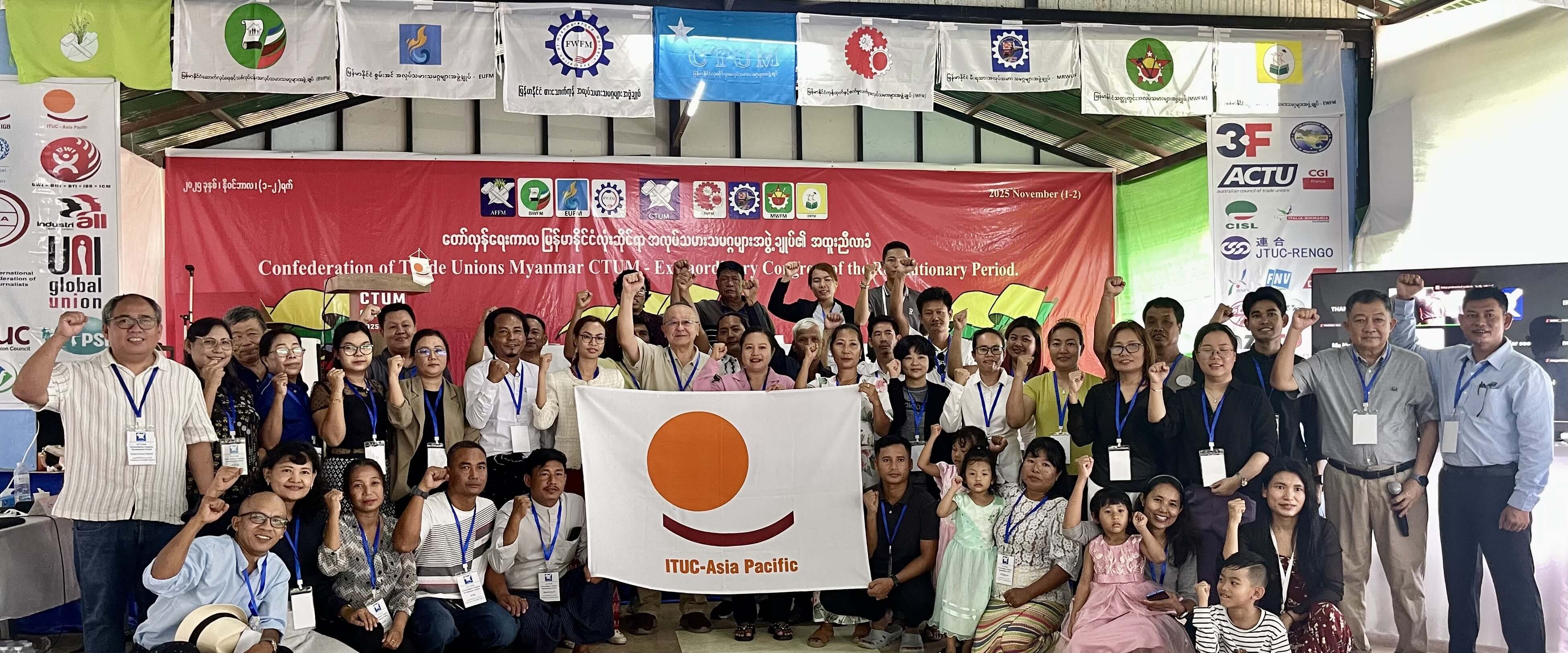
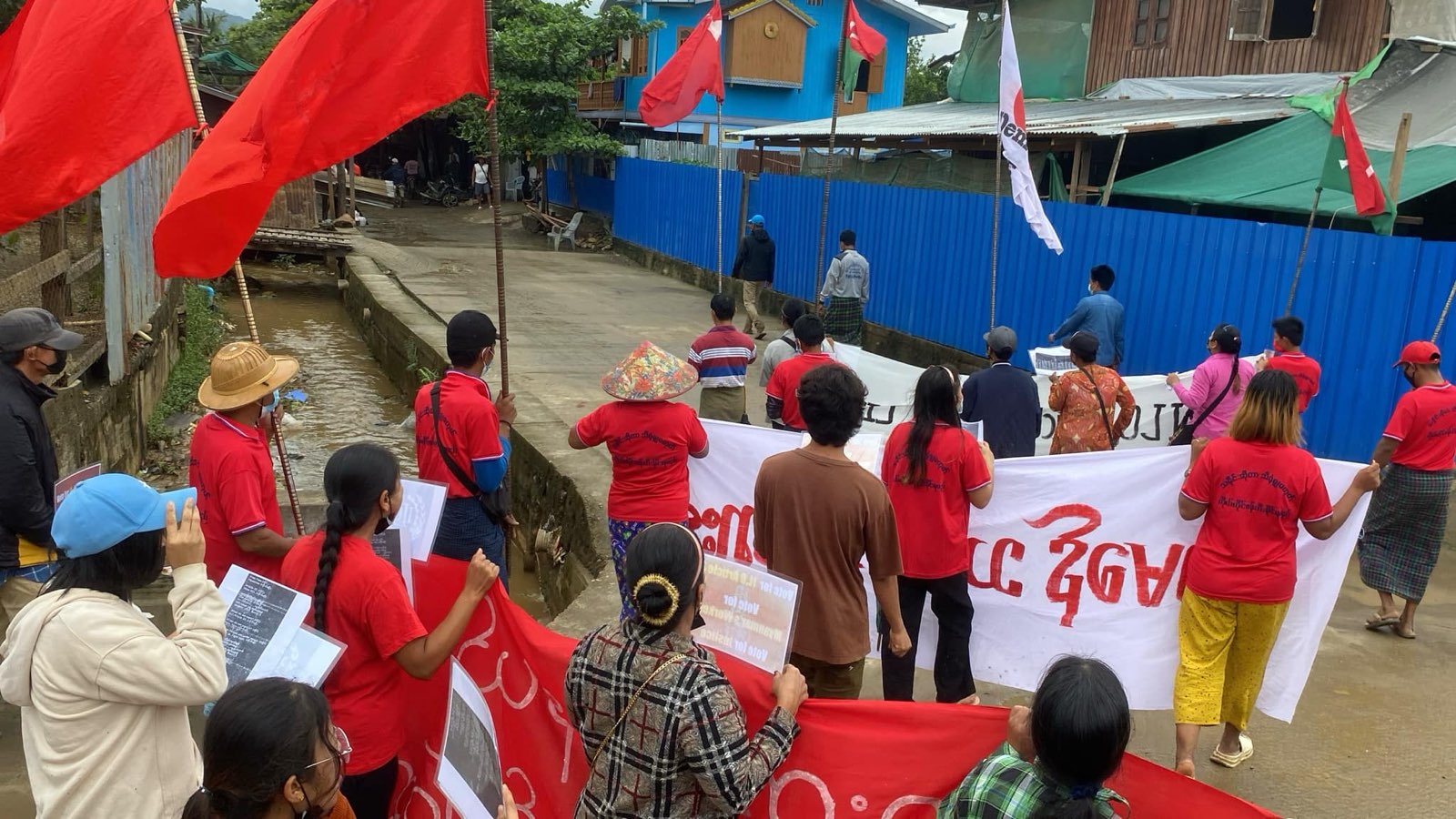
The Global Rights Index shows that the erosion of trade union rights and protections across the region is intrinsically tied to a wider democratic decline. In Myanmar, the military coup and the collapse of democracy did not only silence independent trade unions, but also forced trade unionists to flee their country and live in exile. Similar situations are faced by trade unionists in Hong Kong and Afghanistan where democratic freedoms are restricted by authoritarian regimes.
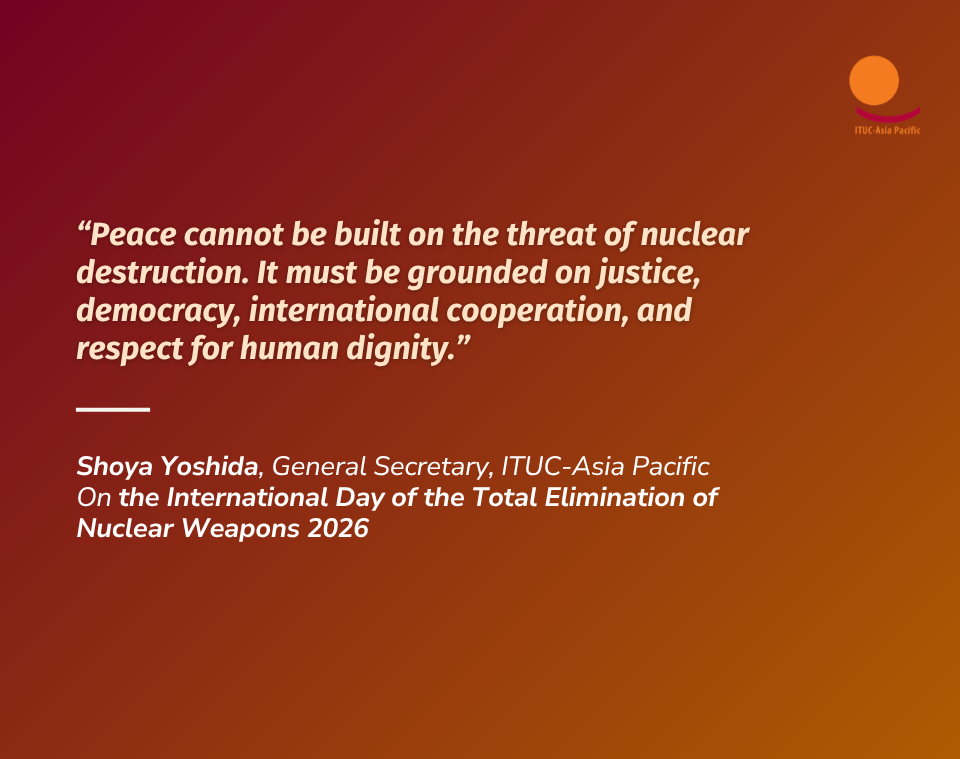
“The systematic violation of workers’ rights in the Asia-Pacific region is a clear sign of backsliding democracies. When arbitrary arrests of trade unionists rise and the right to strike is systematically crippled, it is not only the workers who are under attack. It is also a direct attack on democratic freedoms as a whole,” Shoya Yoshida, ITUC-Asia Pacific General Secretary, said.
ITUC-Asia Pacific underscores that 2026 edition of the report was released after the International Court of Justice (ICJ) ruled that the right to strike is legally protected under the International Labour Organization Convention No. 87 on Freedom of Association and Collective Bargaining. “We urge governments to protect and employers to respect workers’ rights to freedom of association and collective bargaining, including the right to strike. Without this accountability, the trend of union repression and rights violations will only deepen. True democracy cannot be built on the suppression of the working people,” Shoya Yoshida said.
For ITUC-Asia Pacific, while the Global Rights Index presents the distressing and precarious conditions of workers in the region, it is also a testament that trade unions are not giving up.
“The cases documented in the report are evidence of trade unions' unyielding courage in the struggles to achieve decent and dignified working conditions for all workers across Asia-Pacific. As a trade union movement, let us continue to hold governments accountable for the widespread violations of workers' rights,” Shoya Yoshida urged.
Established in 2014, the ITUC Global Rights Index is the only comprehensive, global annual survey of the violation of workers’ rights in 151 countries, reviewing the state of workers' rights against international labour standards. Violations are recorded annually from April to March.

%20(1).jpg)
.jpg)










.jpg)

.png)





.png)


.png)


%20(1).png)


.jpg)


.png)


%201.svg)


