


ITUC-Asia Pacific welcomes the historic adoption of International Labour Organization (ILO) Convention No. 193 on Decent Work in the Platform Economy, calling it a major breakthrough for millions of platform workers long denied basic labour rights.
Adopted by the 114th session of the International Labour Conference (ILC) with 406 votes in favour, 8 against and 36 abstentions, ILO Convention No. 193 is the first international labour standard dedicated specifically to decent work in the platform economy.

For platform workers across Asia and the Pacific — including ride-hailing drivers, delivery riders, domestic workers, online freelancers, care workers and logistics workers, the Convention marks an important step towards ensuring that technological innovation does not come at the expense of workers’ rights, dignity and safety.
“ILO Convention No. 193 sends a simple but powerful message: platform workers are workers,” said Shoya Yoshida, General Secretary of ITUC-Asia Pacific. “For millions of workers whose livelihoods are controlled by platforms, algorithms and insecure contracts, this Convention is a historic recognition of their rights and dignity.”
The Convention recognises and protects digital platform workers regardless of their employment status. It requires governments to ensure that workers are correctly classified based on the realities of their work, rather than contractual labels.
It also guarantees freedom of association, collective bargaining, occupational safety and health, fair remuneration, social security, access to dispute resolution, and protections against algorithmic management and unfair deactivation.
Among its most significant provisions are safeguards on automated decision-making systems, including workers’ rights to information, written explanations, review mechanisms and human involvement in decisions that significantly affect their working lives. The Convention also recognises workers’ right to remove themselves from work situations that pose imminent and serious danger to their life or health without suffering undue consequences.
For Asian and Pacific unions, the Convention reflects the realities that platform workers in the region have long confronted: low and unpredictable earnings, unpaid waiting time, unsafe working conditions, lack of social protection, arbitrary suspensions and opaque algorithmic control.

“For millions of platform workers, ILO Convention No. 193 marks more than a new number in the ILO’s history of labour standards. It is a clear affirmation that workers’ rights must keep pace with the fast-changing world of work,” Shoya Yoshida said.
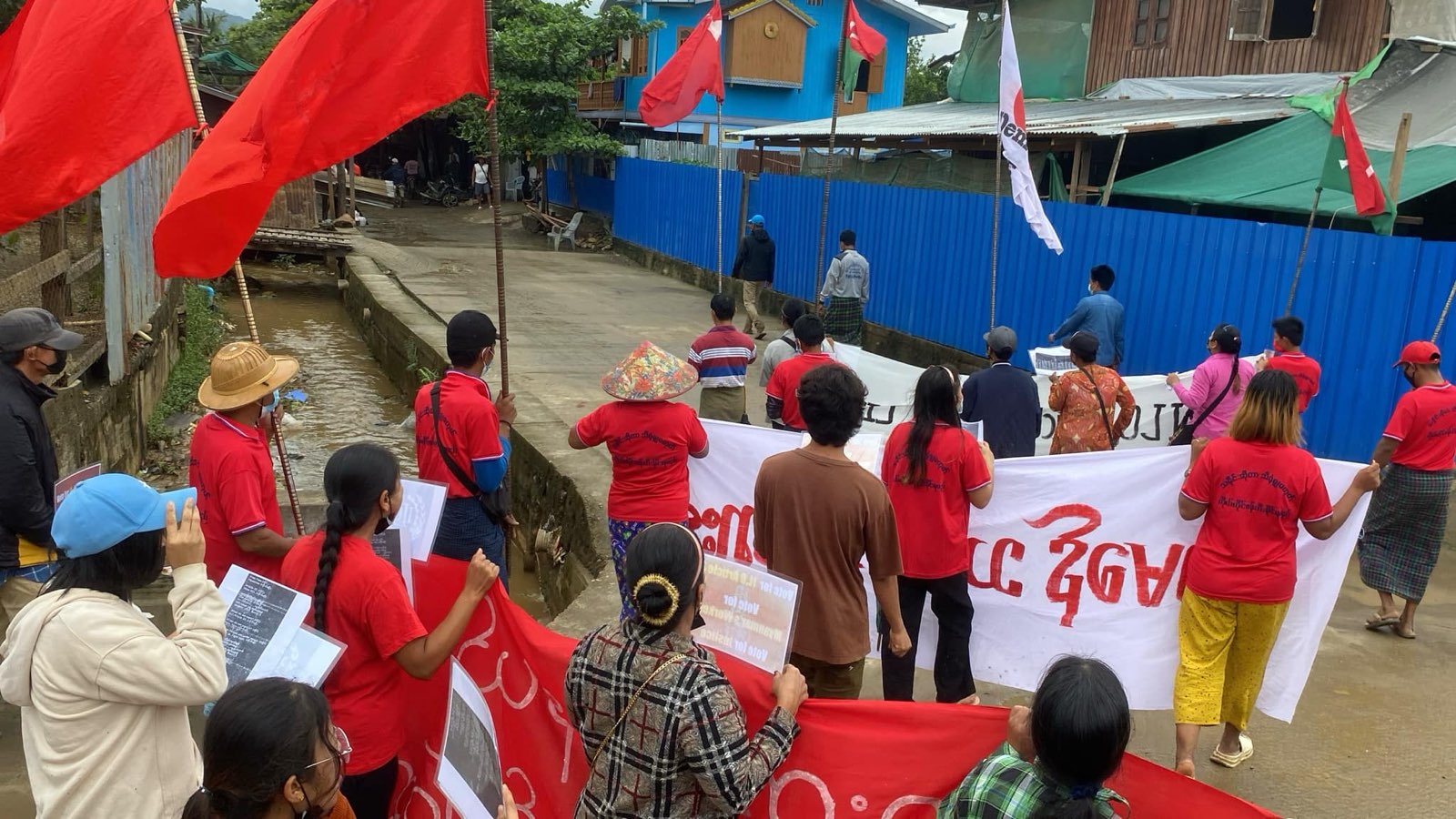
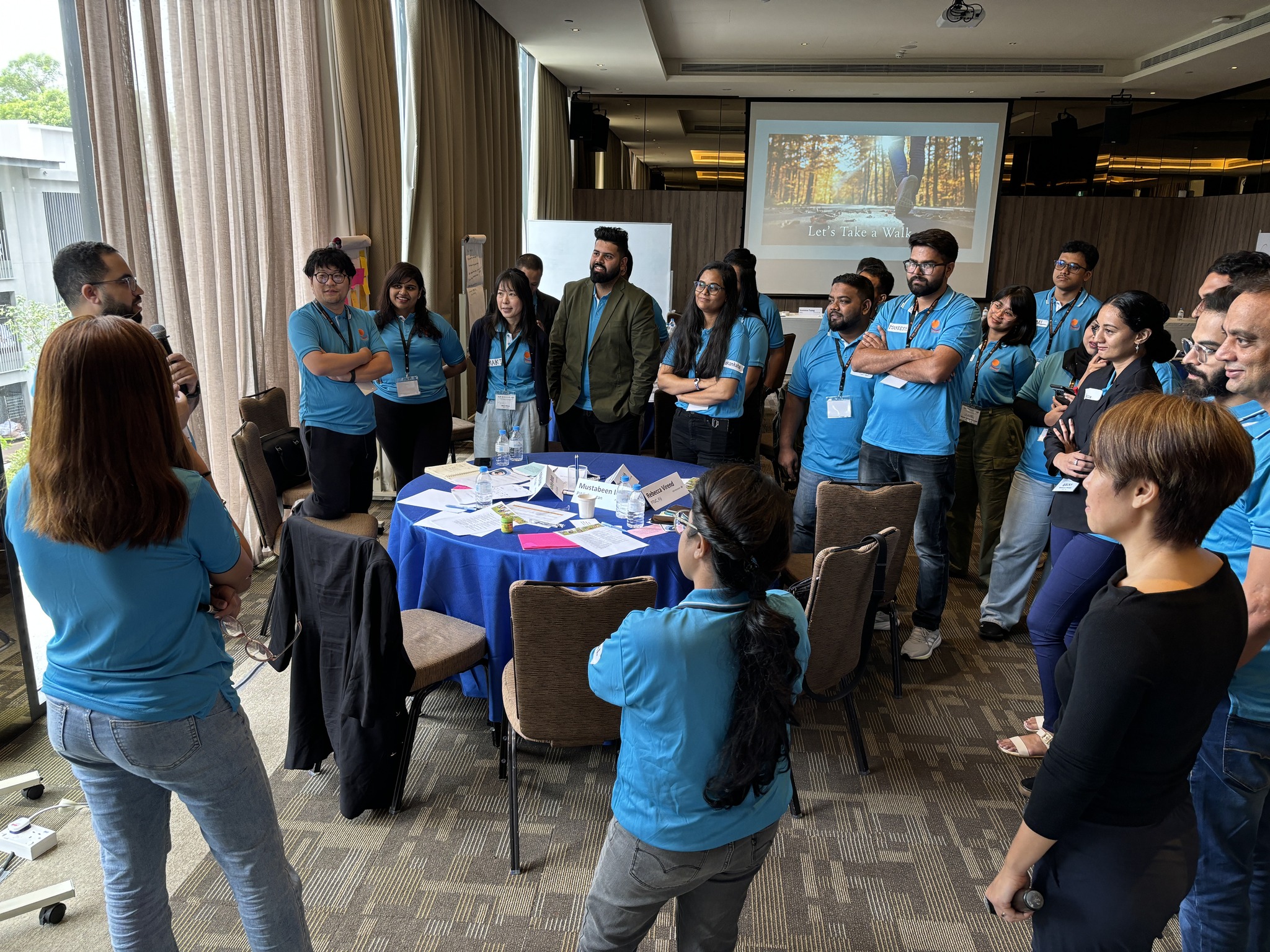
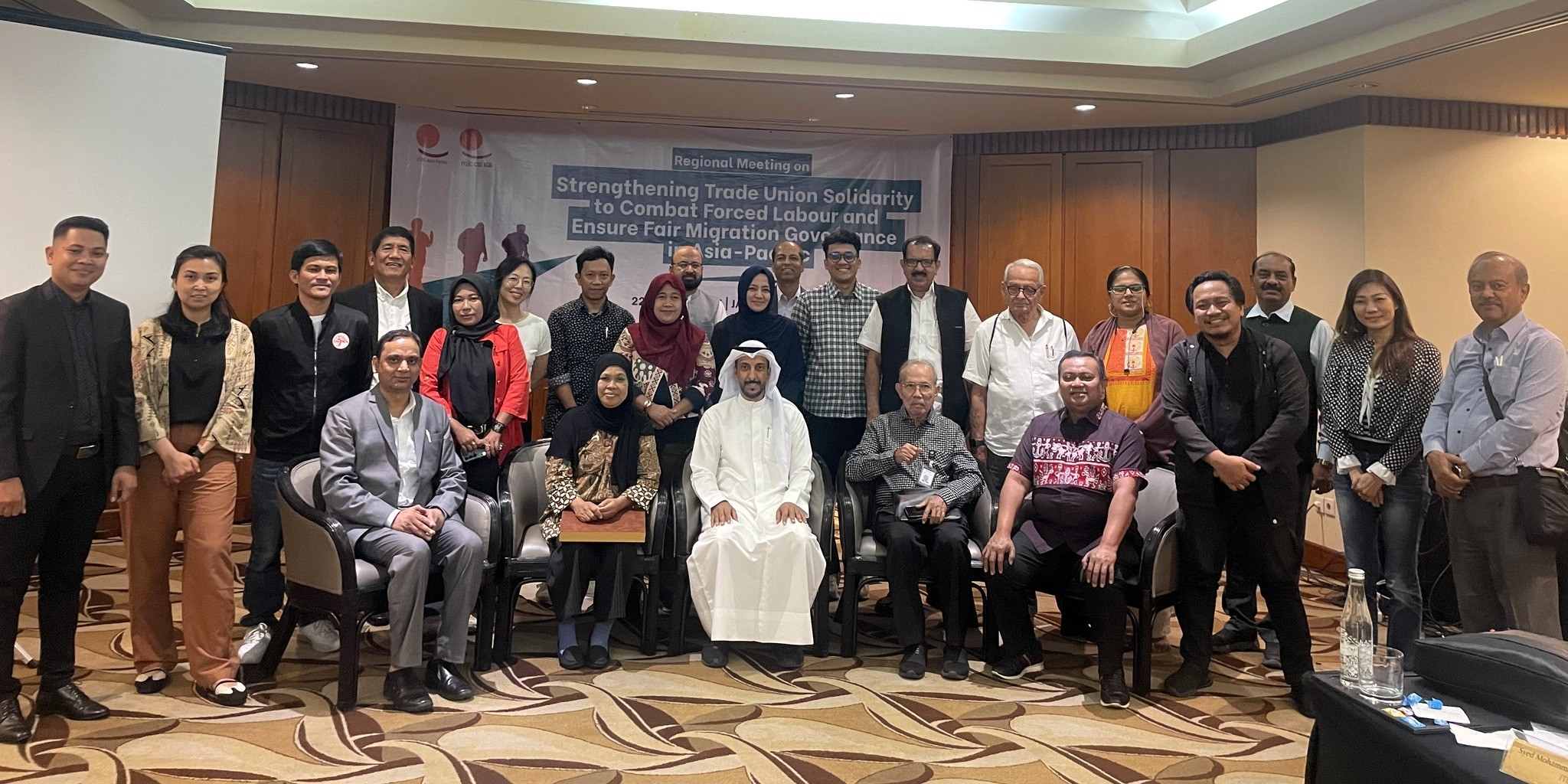
ITUC-Asia Pacific lauds trade unions in the region that played an active role throughout the two-year standard-setting process. A regional network of around 100 focal points from ITUC-Asia Pacific affiliates, Global Union Federations and Trade Union Support Organisations coordinated advocacy, shared information, documented workers’ experiences and mobilised support across the region.
“What began as a coordination mechanism for trade unions in Asia and the Pacific became a community of solidarity, learning and action,” Shoya Yoshida said. “This victory belongs to platform workers and trade unions who engaged governments and employer representatives, exchanged intelligence, documented and amplified workers’ experiences, and mobilised support for workers’ demands throughout a difficult process.”
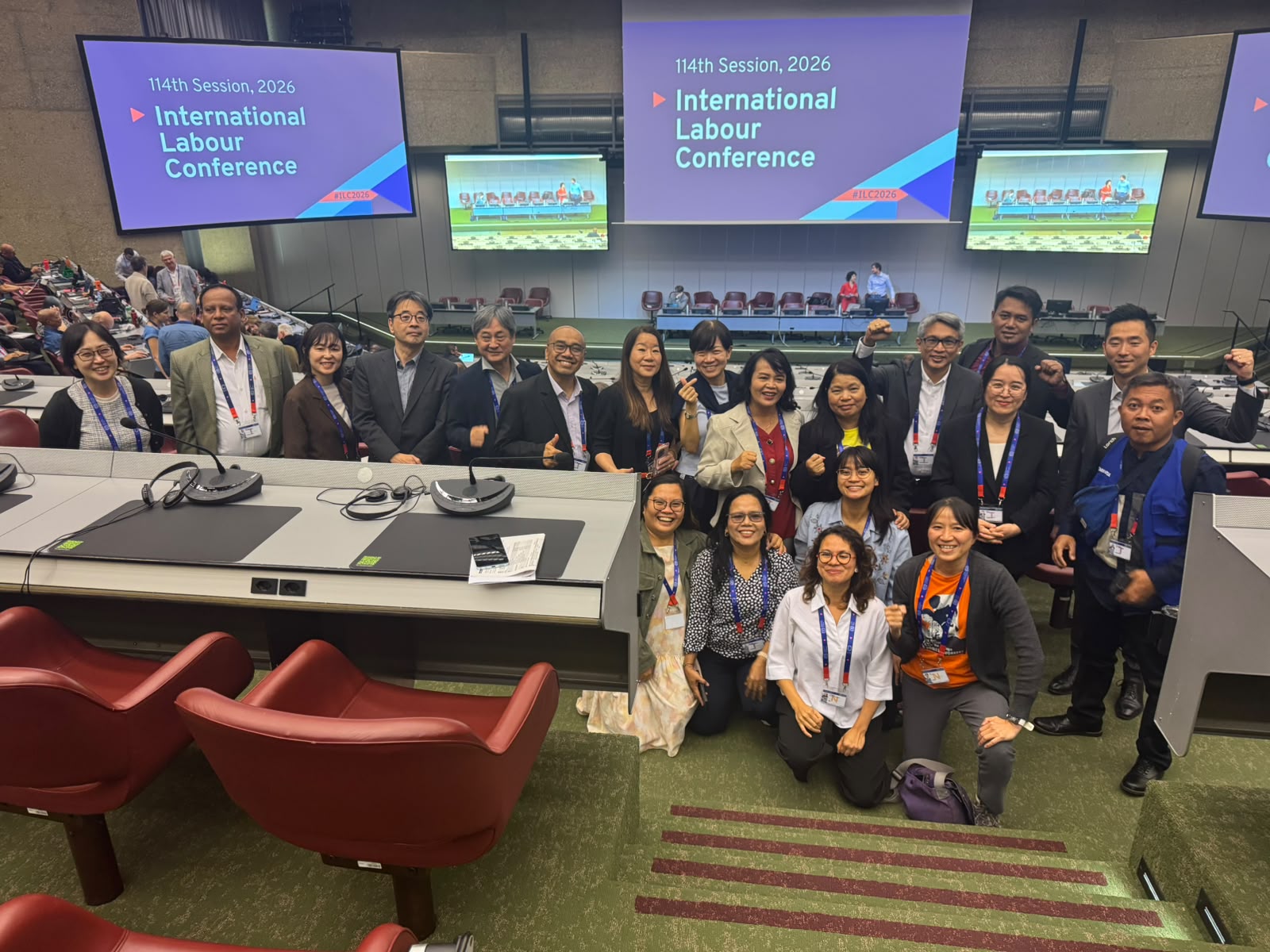
The strong final vote also reflected the success of this collective effort. Despite difficult negotiations and disagreements over key provisions, the majority of governments and employers from the Asia-Pacific region ultimately voted in favour of the Convention, creating an important foundation for ratification and national implementation.
However, ITUC-Asia Pacific noted that the important work remains unfinished. Due to time constraints, the ILC was unable to complete the accompanying Recommendation, which is supposed to provide detailed guidelines on the application of the Convention. Thus, the ILC instead adopted a resolution requesting the ILO Governing Body to take the necessary follow-up action towards the adoption of a Recommendation at its November 2026 session.
“The adoption of the Convention is not the end of the journey,” Shoya Yoshida said. “It is the beginning of the next phase of our work: ensuring that these rights become reality through ratification, implementation, organising, and collective bargaining. Today, we celebrate, but tomorrow, we continue building power for platform workers and their families.”
ITUC-Asia Pacific said the focus must now shift from adoption to implementation, urging governments to ratify the Convention, reform national laws, strengthen enforcement mechanisms, support collective bargaining and guarantee that platform workers can fully exercise their rights.

.jpg)















.jpg)



.png)




.png)


.png)


%20(1).png)


.jpg)


.png)


.png)


%201.svg)


