


Trade unions across Asia and the Pacific are stepping up efforts to secure the ratification of the recently adopted ILO Convention No. 193 (C193), while already using the new international labour standard to push for stronger national laws and policies, advance collective bargaining, and develop organising strategies that deliver concrete protections for platform workers.
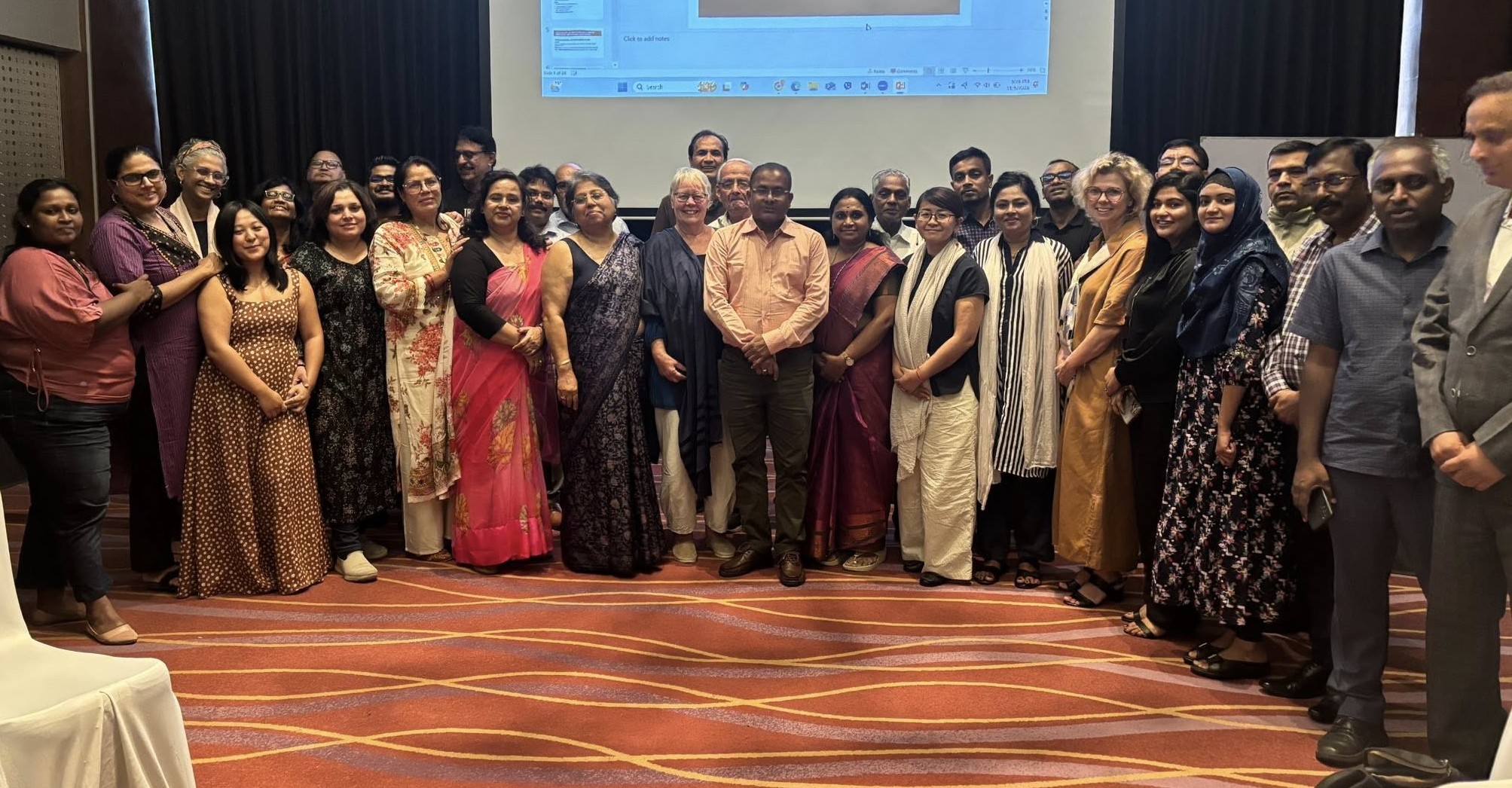
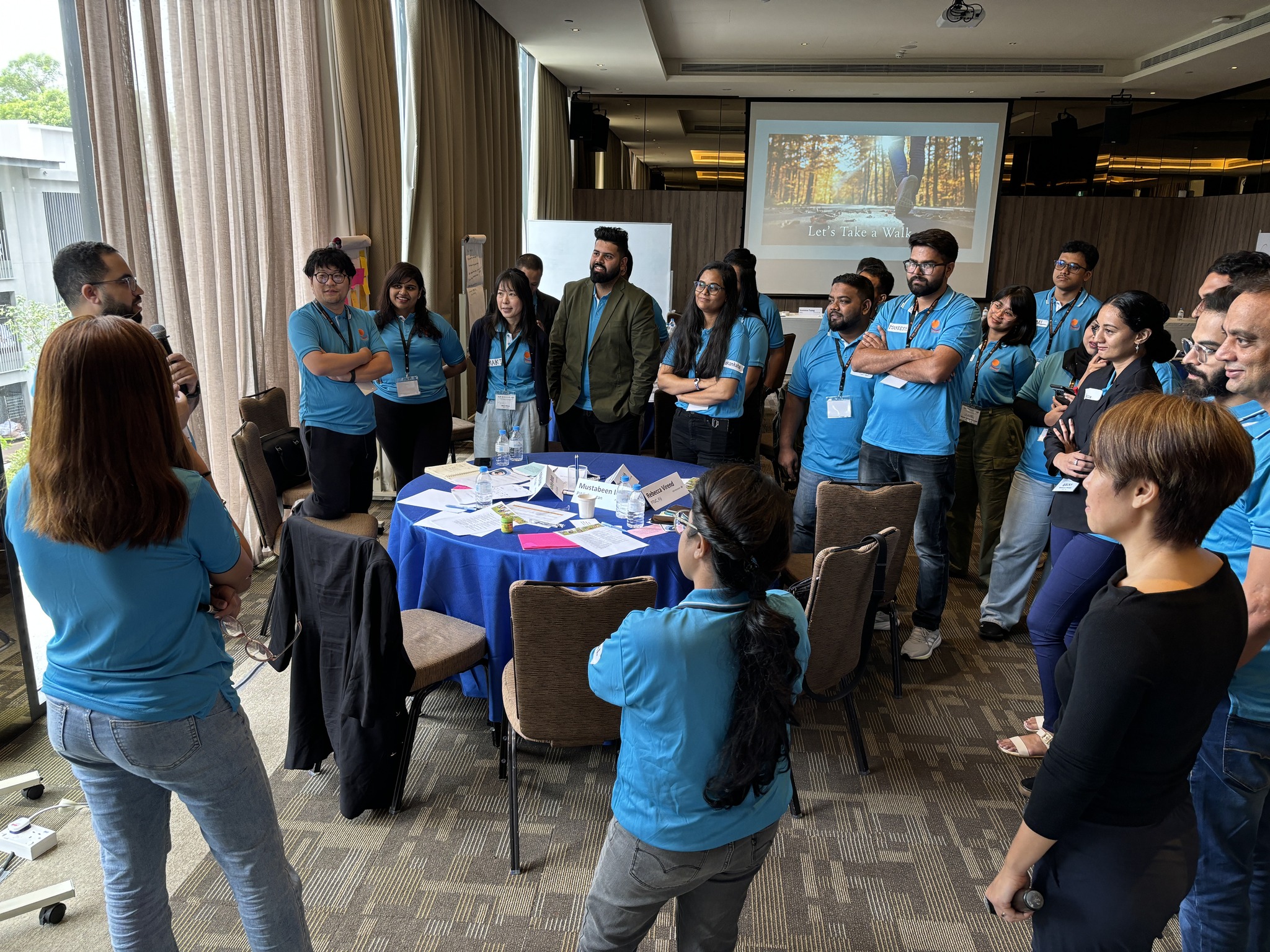
At an online capacity-building workshop convened on 9 September 2026 by the International Trade Union Confederation (ITUC), together with ITUC-Asia Pacific and with support from the Friedrich-Ebert-Stiftung (FES), trade unionists and platform worker organisers explored how to bring the Convention into national policies and workers’ everyday realities.
The discussions focused on two central questions: How can trade unions advance the ratification of C193? And how can they use C193 to strengthen workers’ rights and collective power, even before ratification?
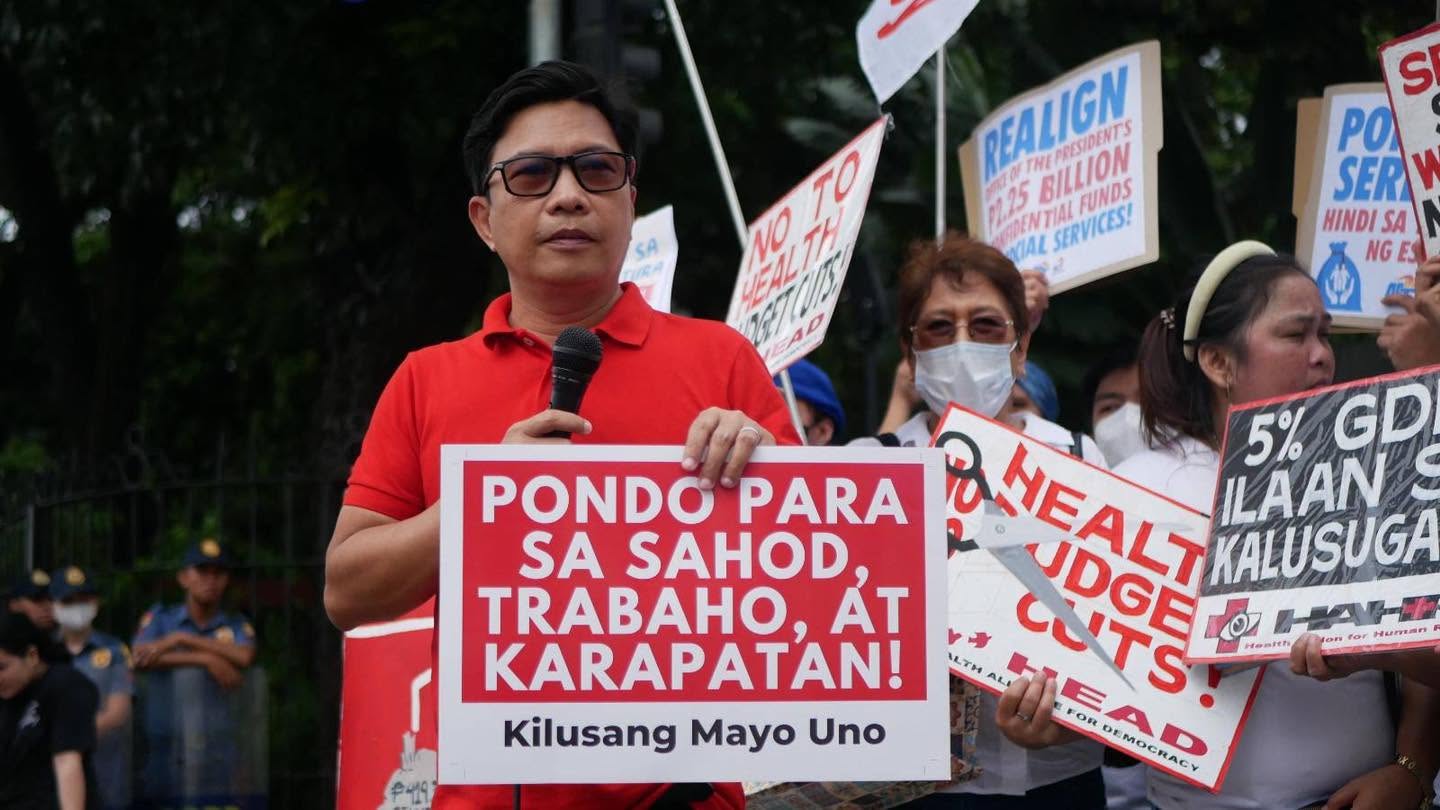
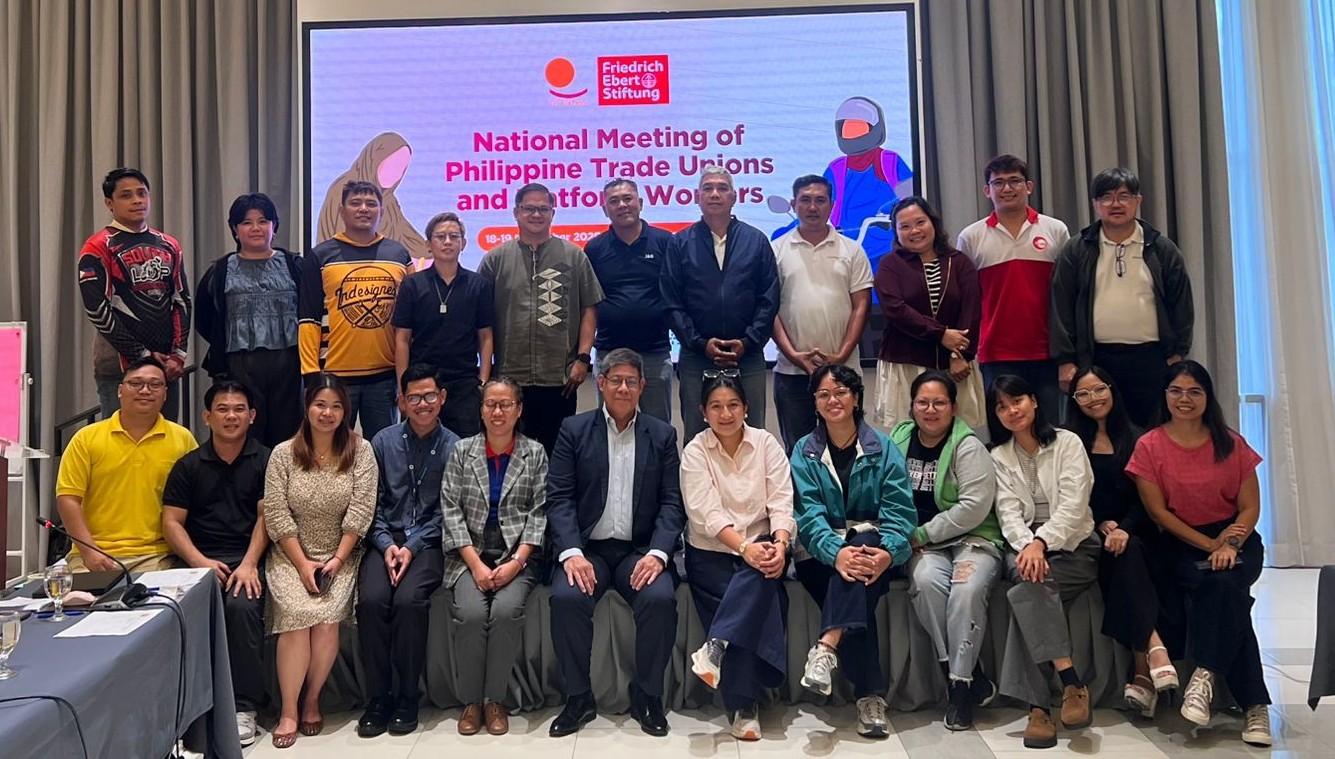
For Geoffrey “Geof” Labudahon, National Coordinator of the National Union of Food Delivery Riders (RIDERS-SENTRO) in the Philippines, the adoption of C193 was a victory worth celebrating, but also a starting point for further action.
“The first thing we did was celebrate, because it was a victory for all of us,” Geof shared.
The union subsequently held a press conference, engaged legislators, launched ratification campaigning and trained leaders to organise delivery riders across the country. His experience reflected the central message of the workshop that the Convention must become a practical tool for organising workers, advancing collective demands, and securing stronger protections for platform workers.
Participants examined how C193 addresses the challenges platform workers face, including inadequate pay, unsafe working conditions, violence and harassment, lack of social protection, unfair deactivation and algorithmic management.
Through practical scenarios, the workshop explored how these issues are interconnected. A rider required by an algorithm to make deliveries during dangerous weather, for example, faces not only occupational safety and health risks but also questions about automated decision-making and the right to challenge those decisions.
%20(1).jpg)
The discussions reinforced the importance of interpreting the Convention as a whole, recognising that rights relating to remuneration, safety, algorithms, equality, organising, and collective bargaining are closely connected in workers’ lives.
Participants shared experiences and strategies for using C193 in different national contexts, including legislative engagement, public education, organising and collective bargaining.
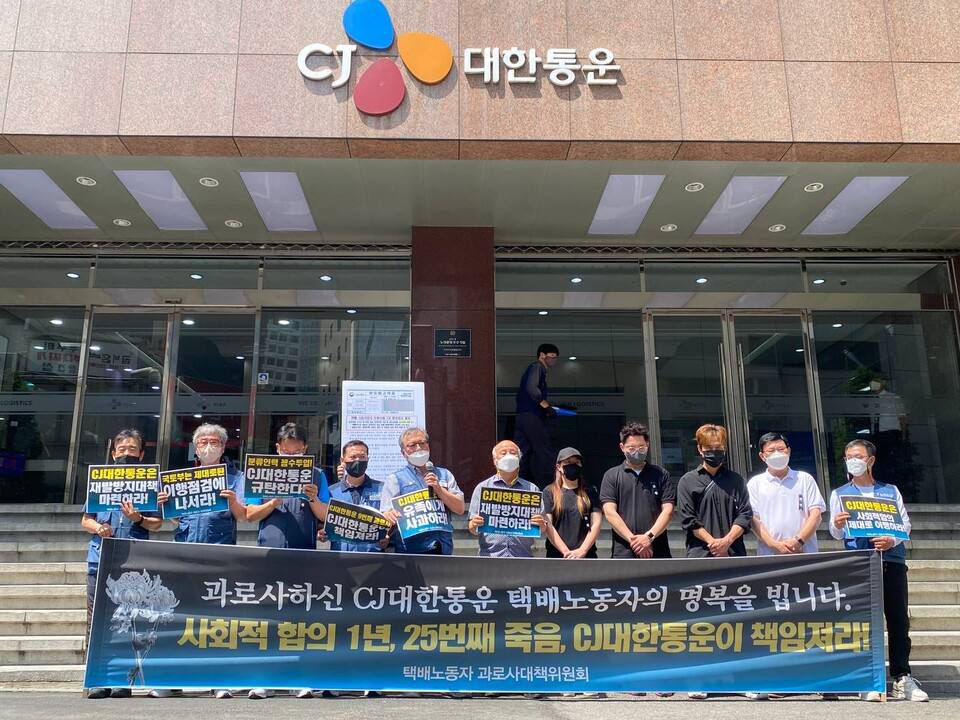
In Republic of Korea, trade unions are already drawing on the Convention in engagement with the National Assembly and national policy discussions. Mikyung Ryu of the Korean Confederation of Trade Unions (KCTU) emphasised the need for unions to actively defend the scope of the new protections. “We have to read the Convention as a whole and in a very active way,” Mikyung Ryu said.
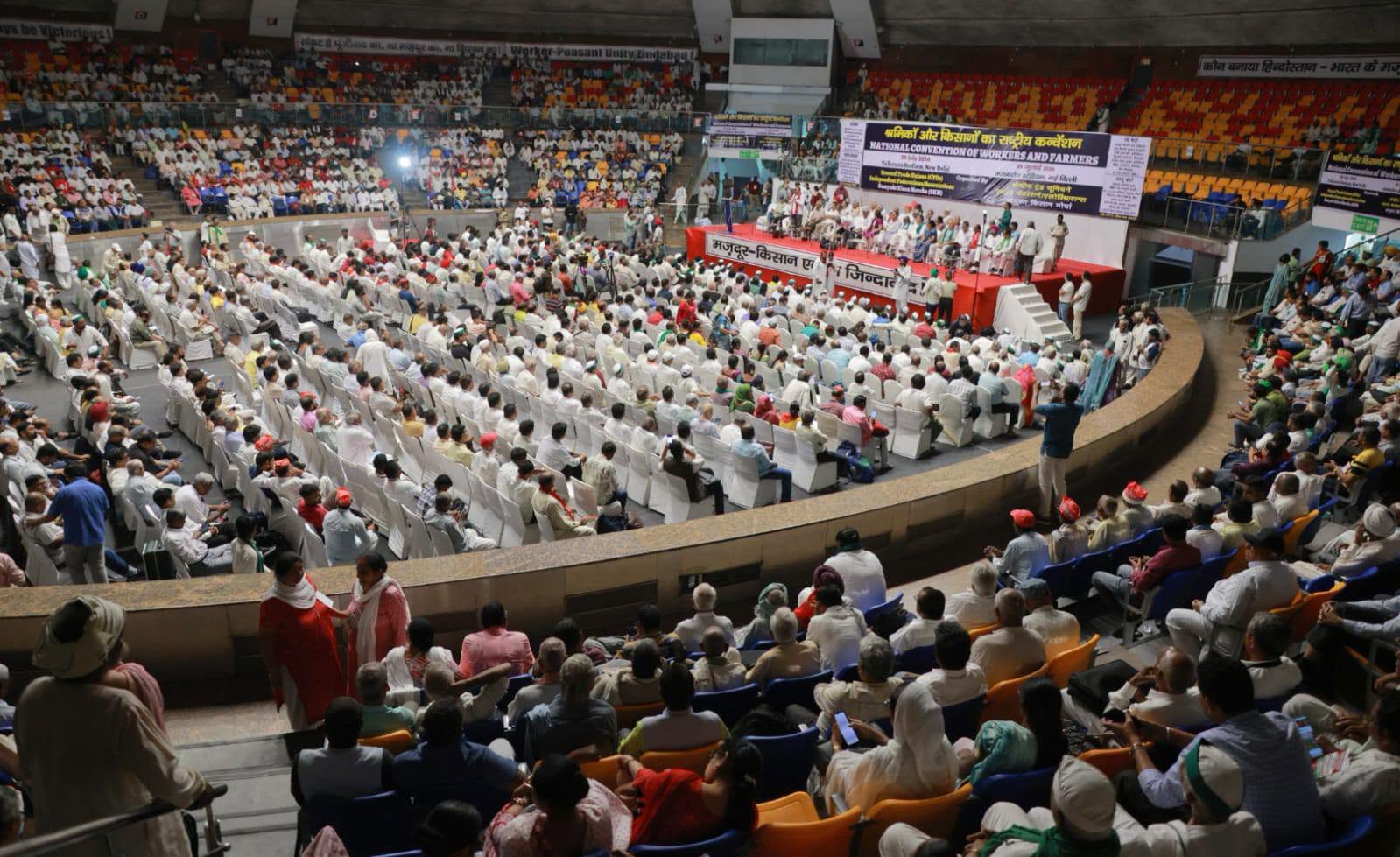
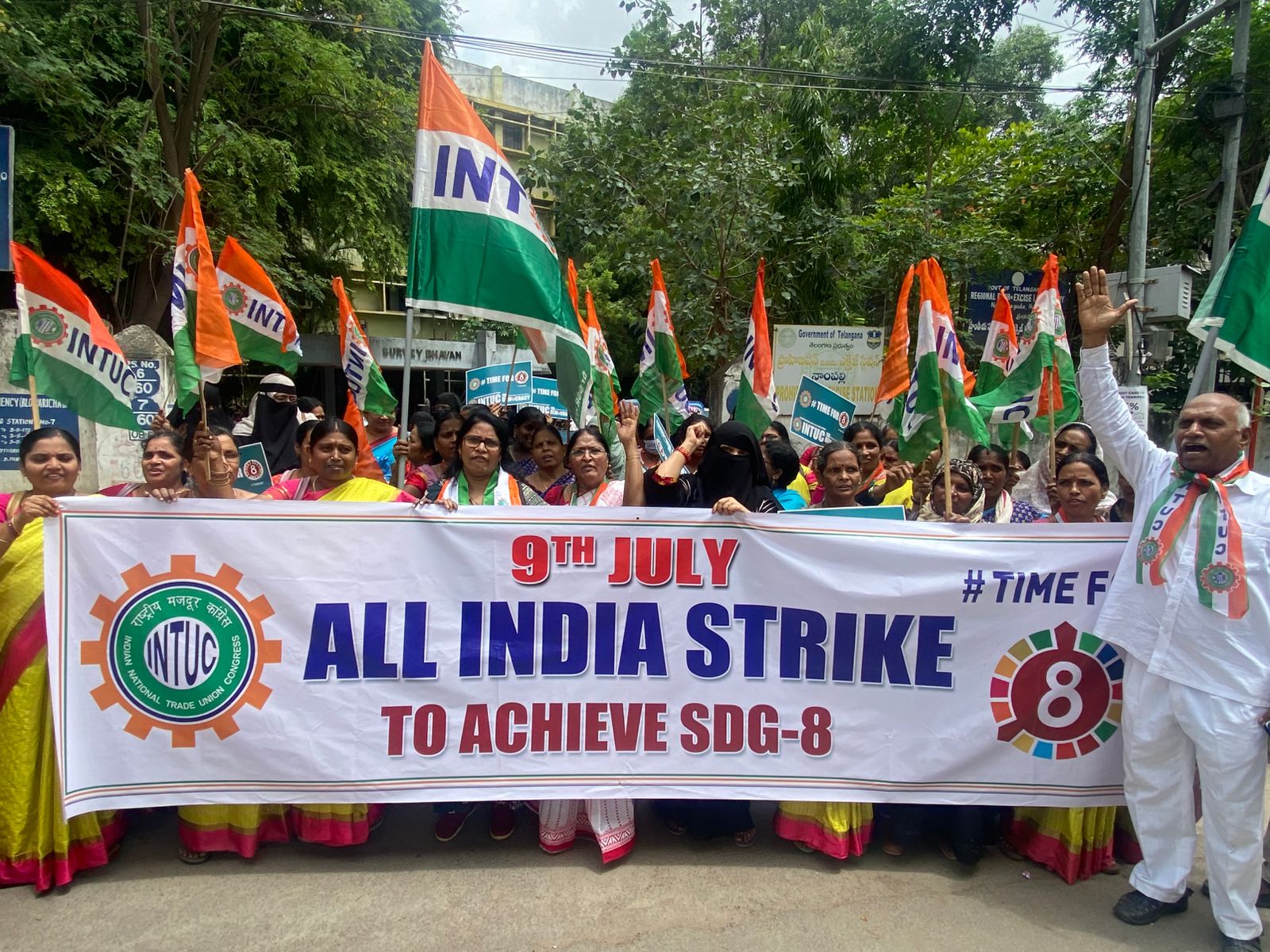
Chandrashekar Rajgopal Dashrath of the Indian National Trade Union Congress (INTUC) also linked the Convention to ongoing organising efforts and demands for occupational safety and health protections and social security for gig and platform workers.
%20(1).jpg)
The exchanges highlighted that unions need not wait for ratification to put C193 to work. It can already serve as a reference for identifying gaps in national laws, developing collective demands, and strengthening organising strategies.
The workshop also looked ahead to the development of practical resources to support ratification campaigns, organising and collective bargaining.
While the ITUC is developing C193 resources for affiliates, ITUC-Asia Pacific emphasised the importance of ensuring that these respond directly to platform workers’ experiences and organising needs. Early consultations with platform workers in the region have highlighted the demand for practical tools that go beyond information materials and help workers address issues such as pay, deactivation, safety and algorithmic management through collective action.
The workshop concluded with strong momentum for further action, as participants reaffirmed their commitment to campaigning for the ratification of C193 and began identifying concrete steps their unions could take over the next six months to advance platform workers’ rights.
As unions across Asia and the Pacific move from understanding the Convention to campaigning for its ratification, the priority is to ensure that this historic global standard translates into stronger rights, protections, and collective power for platform workers.

.jpg)



.jpg)

.png)



.png)


.png)


%20(1).png)


.jpg)


.png)


%201.svg)


