


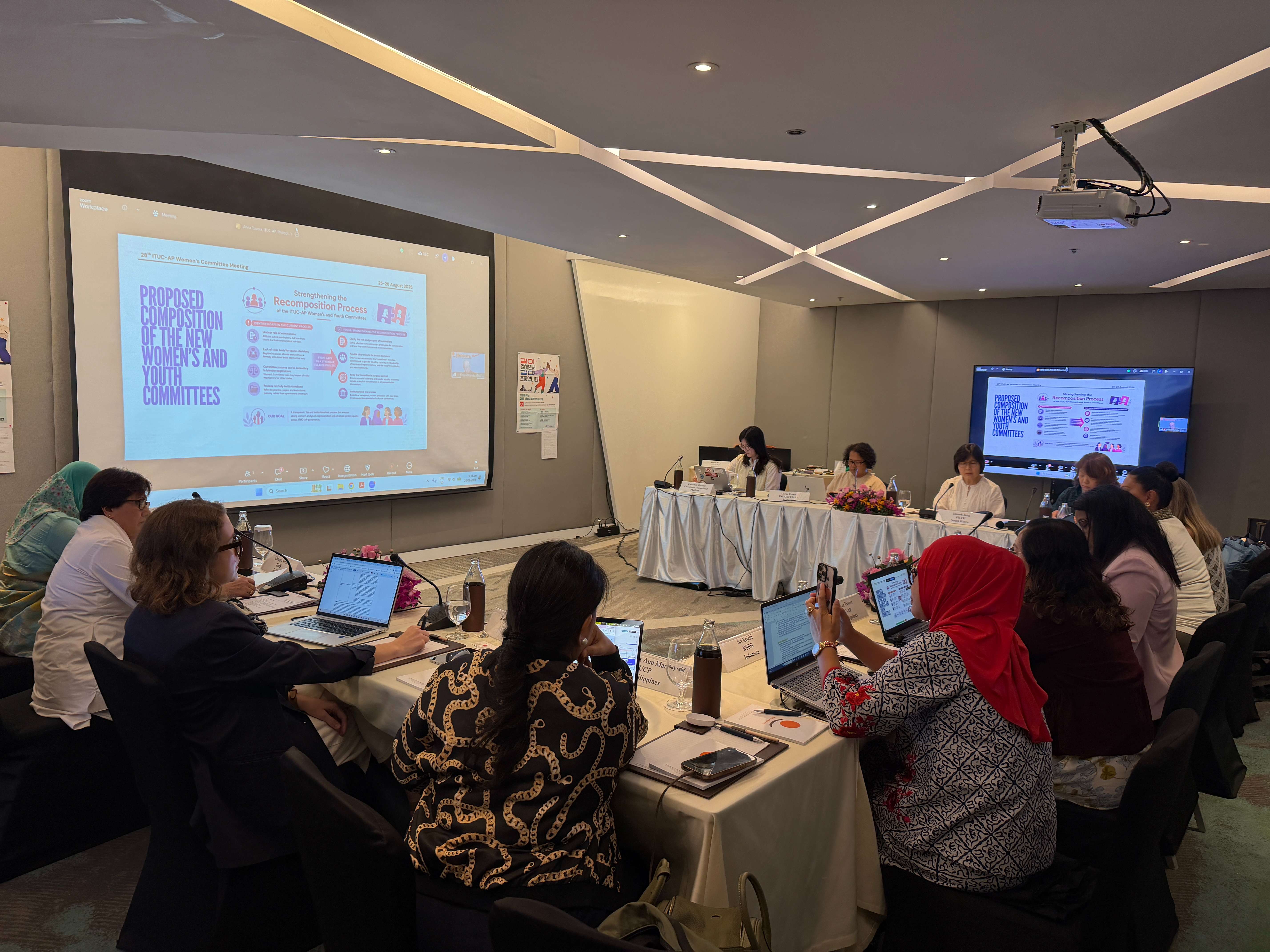
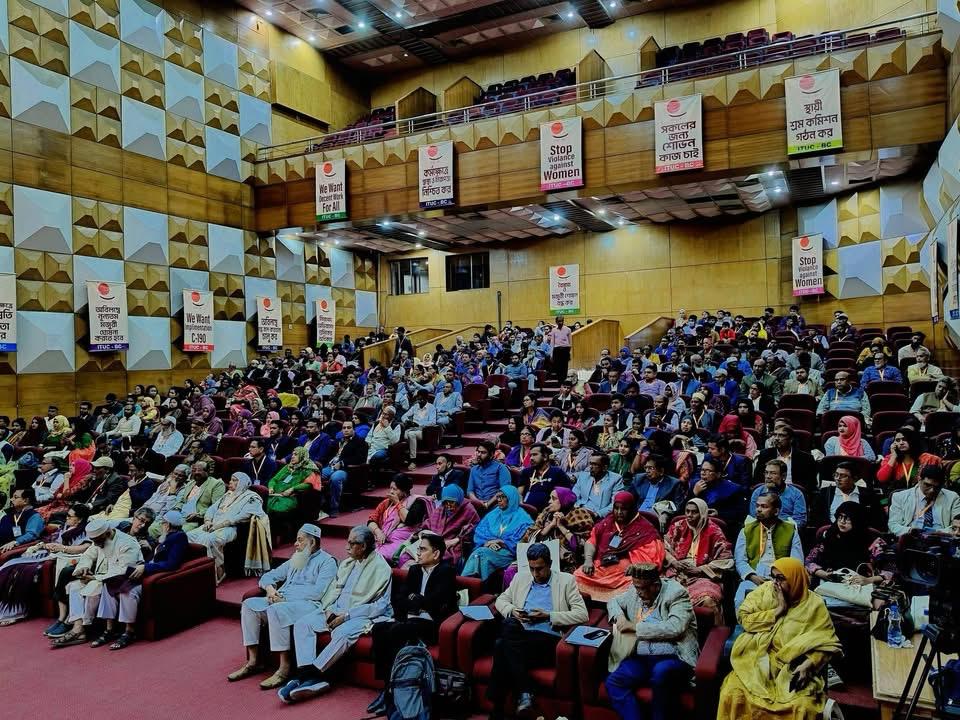
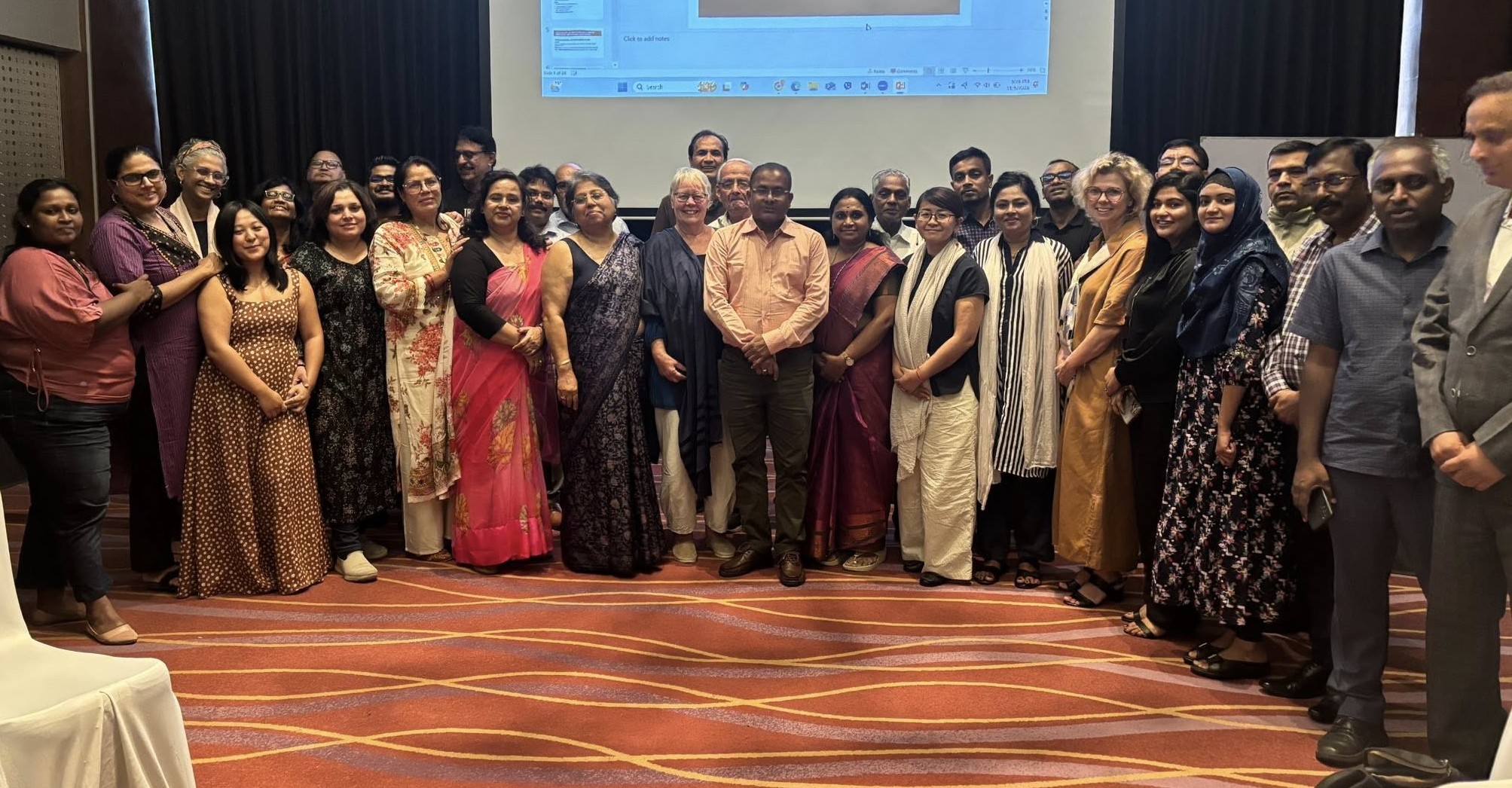
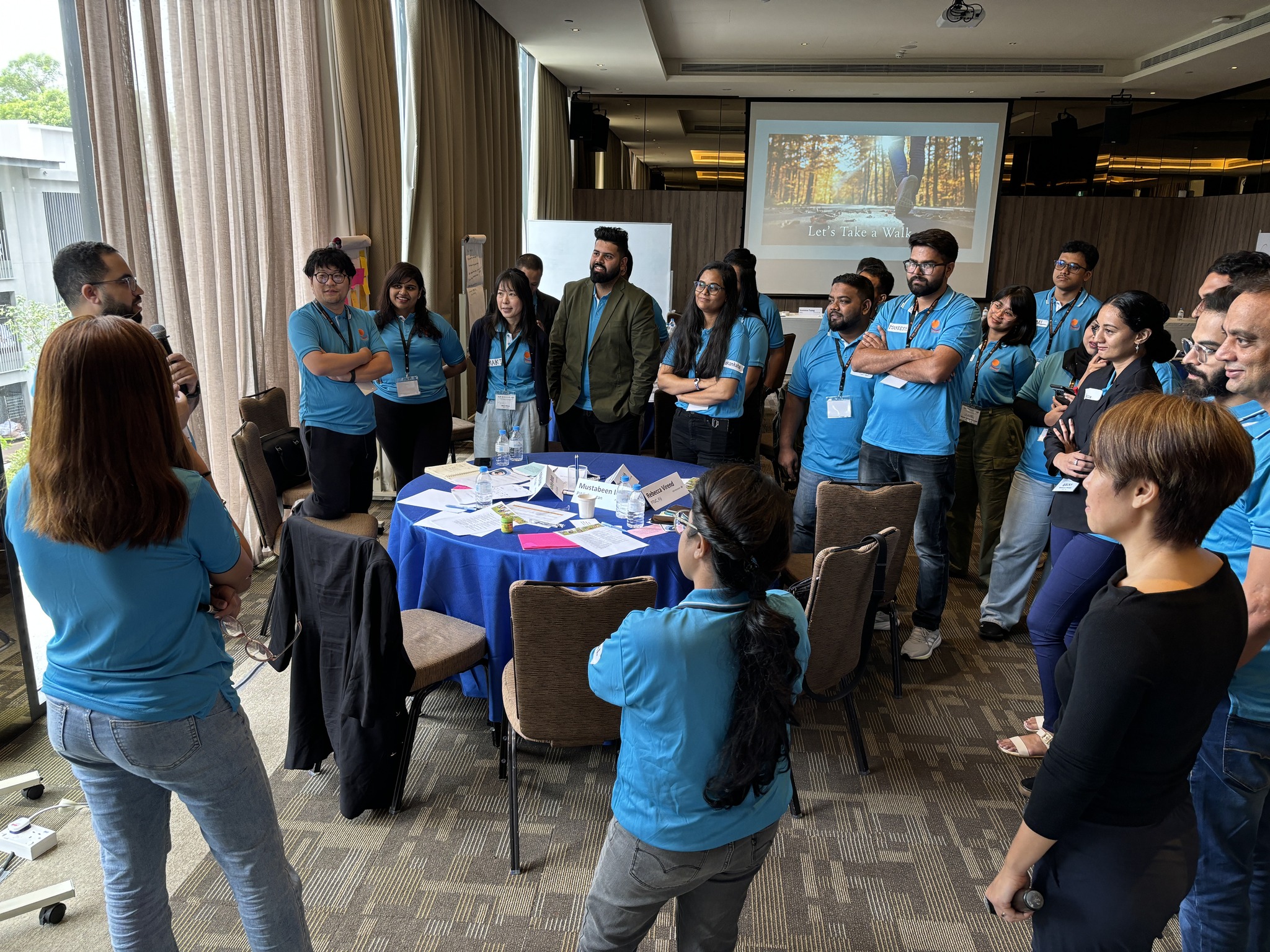
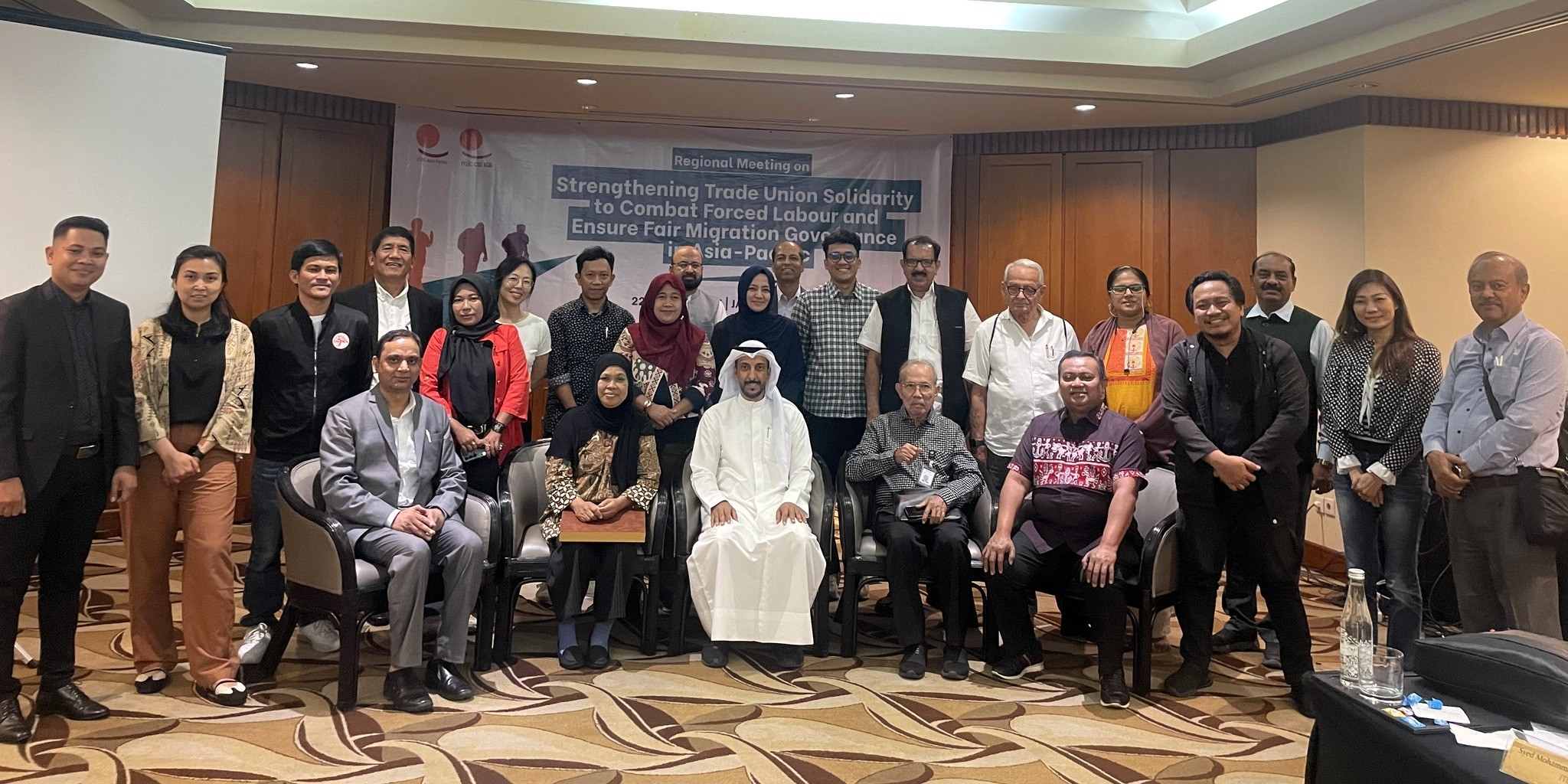
Women trade union leaders from across Asia and the Pacific agreed on concrete proposals to strengthen women’s leadership, increase women’s influence, and advance safe, dignified, and violence-free trade union spaces during the 28th ITUC-Asia Pacific Women’s Committee Meeting held in Bangkok, Thailand on 25-26 August 2026.
Around 15 participants representing ten ITUC-Asia Pacific affiliates took part in the meeting, together with representatives from Education International and IndustriALL Global Union.
.jpg)
Among the key outcomes were proposals to strengthen women’s voice and representation in the upcoming 7th ITUC World Congress in 2027 and the 6th ITUC-Asia Pacific Regional Conference in 2028, improve implementation of the ITUC-Asia Pacific Code of Conduct, and explore the development of a feminist leadership programme for ITUC-Asia Pacific affiliates.
The meeting also served as an important space for women trade unionists for experience sharing and mutual learning on effective trade union strategies and actions promoting women workers’ rights and gender equality.
With preparations underway for the 7th ITUC World Congress and the 6th ITUC-Asia Pacific Regional Conference, the Committee discussed how to strengthen women’s representation, voice and influence in the processes that will shape the trade union movement’s priorities for the coming years.
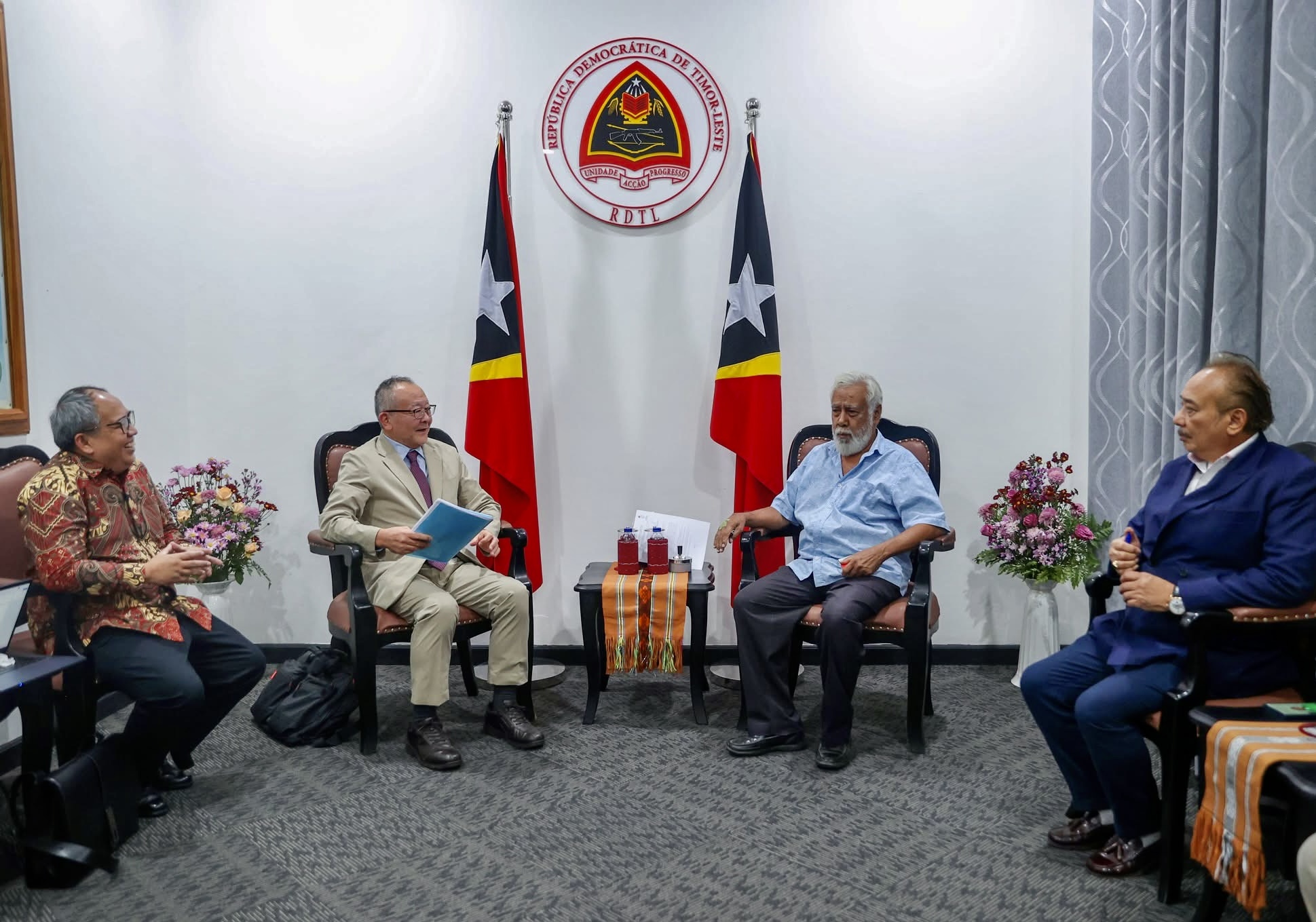
In dialogue with ITUC-Asia Pacific General Secretary Shoya Yoshida, members presented proposals to strengthen the recomposition process of the confederation's Women’s and Youth Committees. The Women's Committee agreed to undertake a complete review of its Terms of Reference and further develop its proposals through follow-up consultations, with the aim of establishing more transparent and accountable procedures within the existing governance framework.
A dialogue with Paola Simonetti, Director of the ITUC Equality Department, connected these regional discussions with preparations for the 7th ITUC World Congress and the 5th ITUC World Women’s Conference. The exchange also highlighted the importance of stronger trade union engagement in multilateral processes to ensure that women workers’ voices and demands are reflected in decisions taken at national, regional and global levels.
The Women's Committee also reviewed the implementation of the Code of Conduct to strengthen the prevention of violence and harassment in programmes and activities organised by ITUC-Asia Pacific. Drawing on experiences in implementation, members identified gaps and proposed measures to improve consistency and accountability in the implementation of the Code of Conduct.
In particular, members proposed the establishment of a permanent anti-violence and harassment mechanism linked to ITUC-Asia Pacific’s governing structures. They also pushed for the consistent formation and effective functioning of anti-violence and harassment committees across all ITUC-Asia Pacific programmes and activities, building on requirements already contained in the Code of Conduct.
The Women's Committee likewise emphasised the importance of ensuring that those serving on these committees are adequately prepared and equipped to carry out their responsibilities during and after an activity, recognising that incidents may be reported after the activity has concluded. Members called for stronger preparation, training, guidance and resources, alongside the consistent application of established procedures for receiving and responding to incident reports concerning violence and harassment.
The proposed changes will be brought to the Regional General Council in October 2026 for consideration.
Strengthening women’s leadership was another major focus of the meeting, with the Committee expressing strong support for further exploring the development of an ITUC-Asia Pacific feminist leadership programme.
Members emphasised that strengthening feminist leadership should go beyond increasing the number of women holding leadership positions. Discussions also considered how leadership can contribute to transforming trade unions by challenging discrimination and unequal power relations, strengthening solidarity and inclusion, and expanding opportunities for women and marginalised workers to participate, influence decisions, and lead.
Members also raised possible elements of the feminist leadership programme, including structured leadership development, peer learning, mentoring, and practical opportunities to apply learning through concrete follow-up initiatives. In addition, they considered how the newly established Women’s Leadership Fund could support women leaders in translating learning into action within their own trade unions.
The Women's Committee further recognised opportunities to learn from similar leadership initiatives undertaken by Global Union Federations and other partners, including through the exchange of experiences.
The experiences of women trade unionists and their organisations were also central to the meeting.
Members shared efforts to increase women’s participation and leadership, strengthen action against gender-based violence and harassment, and organise and defend women workers’ rights amid challenges in the world of work.
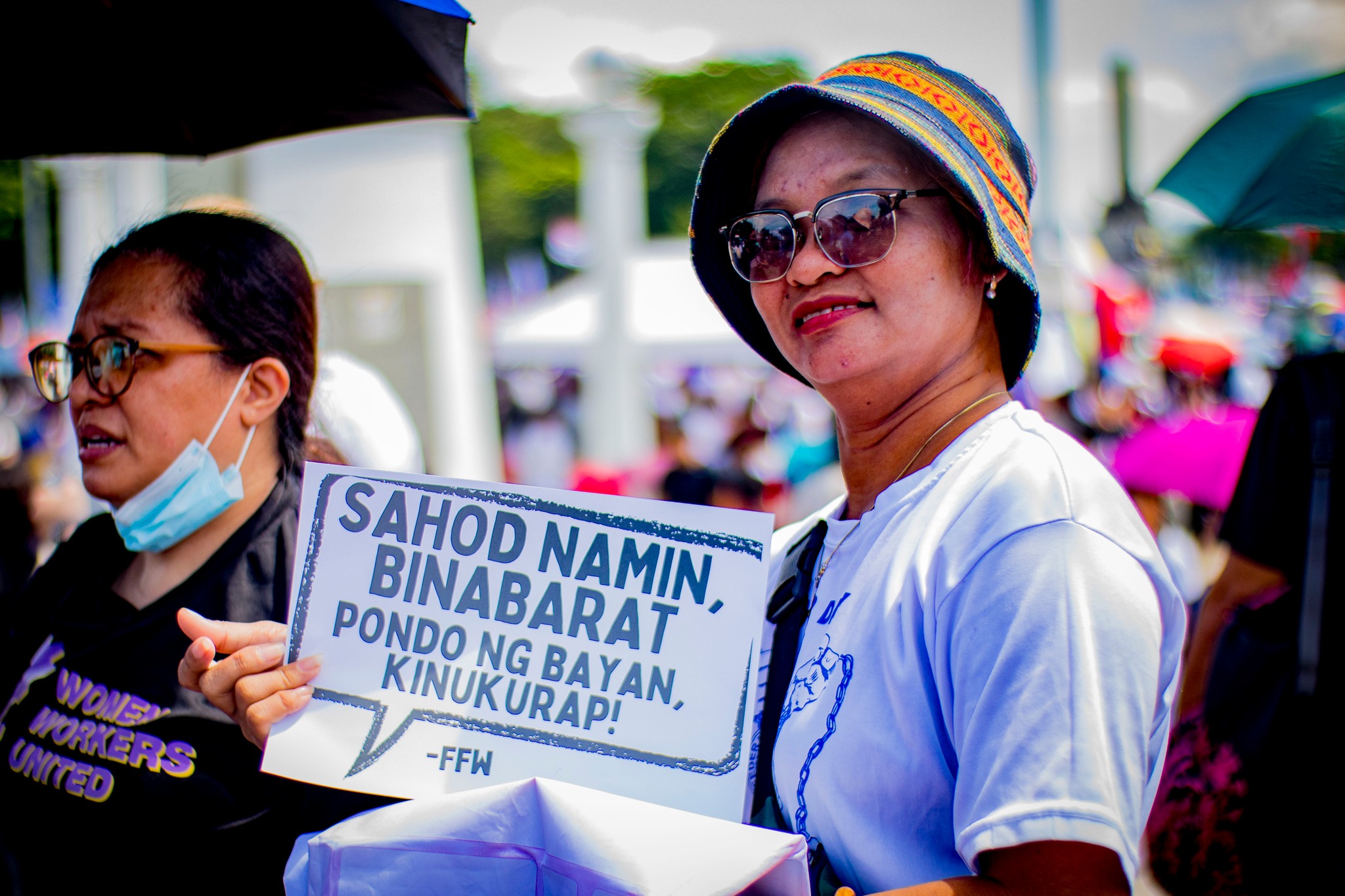
The discussion also identified opportunities for affiliates to learn directly from one another, including possible exchanges between trade unions in the Philippines and Indonesia on ILO Convention No. 190 (C190) on violence and harassment in the world of work.
As the Philippines remains the only country in Southeast Asia to have ratified C190, its experience can provide valuable lessons for trade unions seeking to advance ratification in Indonesia and elsewhere in the subregion. Moreover, experiences from its ongoing implementation can also offer practical lessons on translating C190 into national and workplace actions.

%20(1).jpg)


.jpg)
.png)



.png)


.png)


%20(1).png)


.jpg)


.png)


%201.svg)


